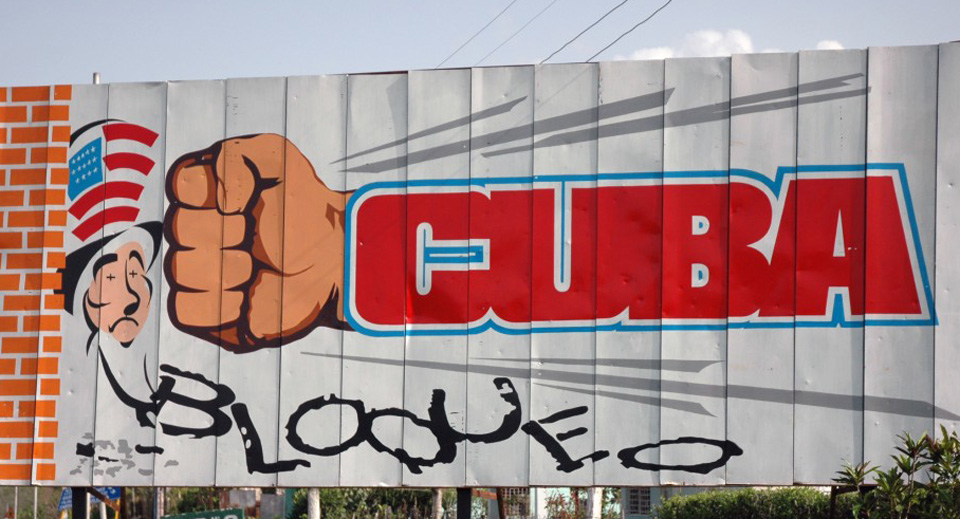
The United Nations General Assembly voted on Tuesday, July 7, 2026, to open an urgent debate on the long-running Cuba embargo 2026. Member states approved the session by 136 votes in favor, nine against, and 30 abstentions.
The move marks the first time Cuba has used this extraordinary mechanism, separate from its usual annual vote each October. The vote does not end or ease the US embargo on Cuba effects, but it forced Washington and Havana into a heated exchange before the world body.
Background
The dispute over the US embargo on Cuba stretches back more than seven decades. Restrictions began under President Eisenhower after Cuba nationalized American-owned businesses without compensation.
President Kennedy converted those early measures into a full trade embargo in February 1962. Since then, the policy has been tightened and loosened by different US administrations depending on political priorities in Washington.
That history explains why so many readers keep asking when did the US embargo on Cuba start and how long has the US had an embargo on Cuba. The answer, based on the historical record, points squarely to the early 1960s, making this one of the longest-running sanctions regimes in modern history.
In recent months, the question of why is there still an embargo on Cuba has resurfaced with new intensity. Since January 2025, the current US administration has pursued what officials call a maximum-pressure campaign against Havana, reimposing travel and financial restrictions.
Cuba was also restored to the State Department’s list of state sponsors of terrorism. On January 29, 2026, an executive order declared a national emergency tied to Washington’s concerns about the island’s government.
Details
Tuesday’s session in New York was requested by Cuba under Agenda Item 38 of the UN calendar, titled “Necessity of Ending the Economic, Commercial, and Financial Blockade Imposed by the United States of America Against Cuba.” The debate itself does not change any US law or policy.
Nine countries opposed opening the debate: the United States, Argentina, Costa Rica, Israel, Morocco, the Czech Republic, North Macedonia, Paraguay, and Ukraine. Thirty nations abstained, while a clear majority of 136 backed Cuba’s request.
That support level was notably lower than the 165 votes Cuba secured during its annual October 2025 resolution, which was already described as the weakest outcome for Havana in more than three decades. Analysts see this as evidence that Washington’s diplomatic pressure campaign has had at least partial success.
Ahead of the vote, a leaked State Department cable reportedly instructed US embassies worldwide to lobby governments against opening the debate, sorting countries into different categories based on their historical ties to Cuba. Despite that pressure, the debate proceeded as scheduled.
Cuban Foreign Minister Bruno Rodríguez Parrilla addressed the Assembly for roughly 25 minutes, comparing the effects of current US fuel restrictions to those of a naval blockade. He filed multiple procedural motions during the session, accusing the Assembly leadership of not properly restraining the US delegation’s remarks.
US officials, in turn, argued the real hardship facing ordinary Cubans stems from decisions made by their own government rather than from Washington’s sanctions. The US delegation pointed to a pledged humanitarian aid package as evidence of continued American support for the Cuban people.
Quotes
Rodríguez told the Assembly that the accumulated cost of the blockade, since it was first imposed, now totals close to $178.7 billion at current prices, rejecting Washington’s suggestion that Cuba’s economic troubles are self-inflicted.
US envoy Mike Waltz responded by arguing that the real hardship on the island comes from restrictions the Cuban government places on its own citizens, tying his remarks to a fresh nationwide power outage that hit the island around the same time as the debate.
Cuban President Miguel Díaz-Canel later posted online that the vote reflected international solidarity, framing the outcome as a rejection of US pressure tactics despite what he called sustained diplomatic interference in the days before the session.
Impact
The renewed diplomatic clash carries weight beyond New York. It touches on wider security questions in the Western Hemisphere, an area of interest connected to broader defense discussions involving allies such as Australia and China, where regional security architecture, missile defense cooperation, and facilities like Pine Gap remain closely watched by policymakers tracking great-power competition.
For ordinary Cubans, the practical effects of the embargo are immediate. Fuel shortages, recurring blackouts, and limited access to medical supplies have become part of daily life, fueling continued debate over the US embargo on Cuba effects on the general population rather than government officials.
Internationally, the vote reinforces a pattern seen for more than three decades, where the overwhelming majority of UN member states have periodically condemned the embargo, even though such resolutions carry no binding legal force. The gap between the 136 votes this week and the usual 160-plus votes in October, however, suggests Washington’s renewed lobbying effort is shifting some diplomatic alignments.
The debate also lands at a sensitive economic moment. Cuba is simultaneously managing recovery efforts from a major hurricane, compounding the pressure created by the Cuba blockade 2026 debate and raising further questions among global observers about why is the US blockading Cuba 2026 at a time of acute humanitarian need on the island.
Conclusion
Tuesday’s session was largely symbolic, since it does not alter US law or lift any restrictions. Still, it set the stage for Cuba’s annual embargo resolution, scheduled for October 27, 2026, when the world will again get a clearer signal of whether international support for ending the blockade is holding steady or continuing to erode.
Washington has signaled it will keep pressing allies and partner nations ahead of that vote, while Havana is expected to continue framing the embargo as the central obstacle to its economic recovery. Both sides appear set for another round of confrontation later this year, keeping the Cuba embargo 2026 story firmly in the headlines.
Frequently Asked Questions
What is causing Cuba’s blackout?
Cuba’s recurring nationwide blackouts stem from a combination of factors, including aging power infrastructure, fuel shortages linked to sanctions and reduced oil shipments, and years of limited investment in the island’s electrical grid. The government blames the US embargo for restricting its ability to import spare parts and fuel needed to maintain power plants. US officials counter that mismanagement and a lack of internal reform are the primary drivers of the ongoing energy crisis, a disagreement that remains central to the wider debate over responsibility for the island’s economic hardship.
How long did the Cuban blockade last?
The Cuban blockade, more commonly referred to as the US embargo, has now lasted more than sixty years and remains in effect today, making it one of the longest-standing sanctions regimes in modern diplomatic history. It began under President Eisenhower in the early 1960s and was formalized into a full trade embargo by President Kennedy in February 1962. While various administrations have adjusted its scope over the decades, easing some restrictions and tightening others, the core embargo has never been fully repealed by Congress.
Who helped China get nuclear weapons?
China developed its nuclear weapons program independently during the 1950s and 1960s, with early technical assistance and training support coming from the Soviet Union before the Sino-Soviet split significantly cooled that cooperation. China conducted its first successful nuclear test in October 1964, becoming the fifth nation to acquire nuclear weapons capability. Since then, China has continued to develop and modernize its nuclear arsenal largely through its own domestic research and defense programs, separate from any foreign assistance.