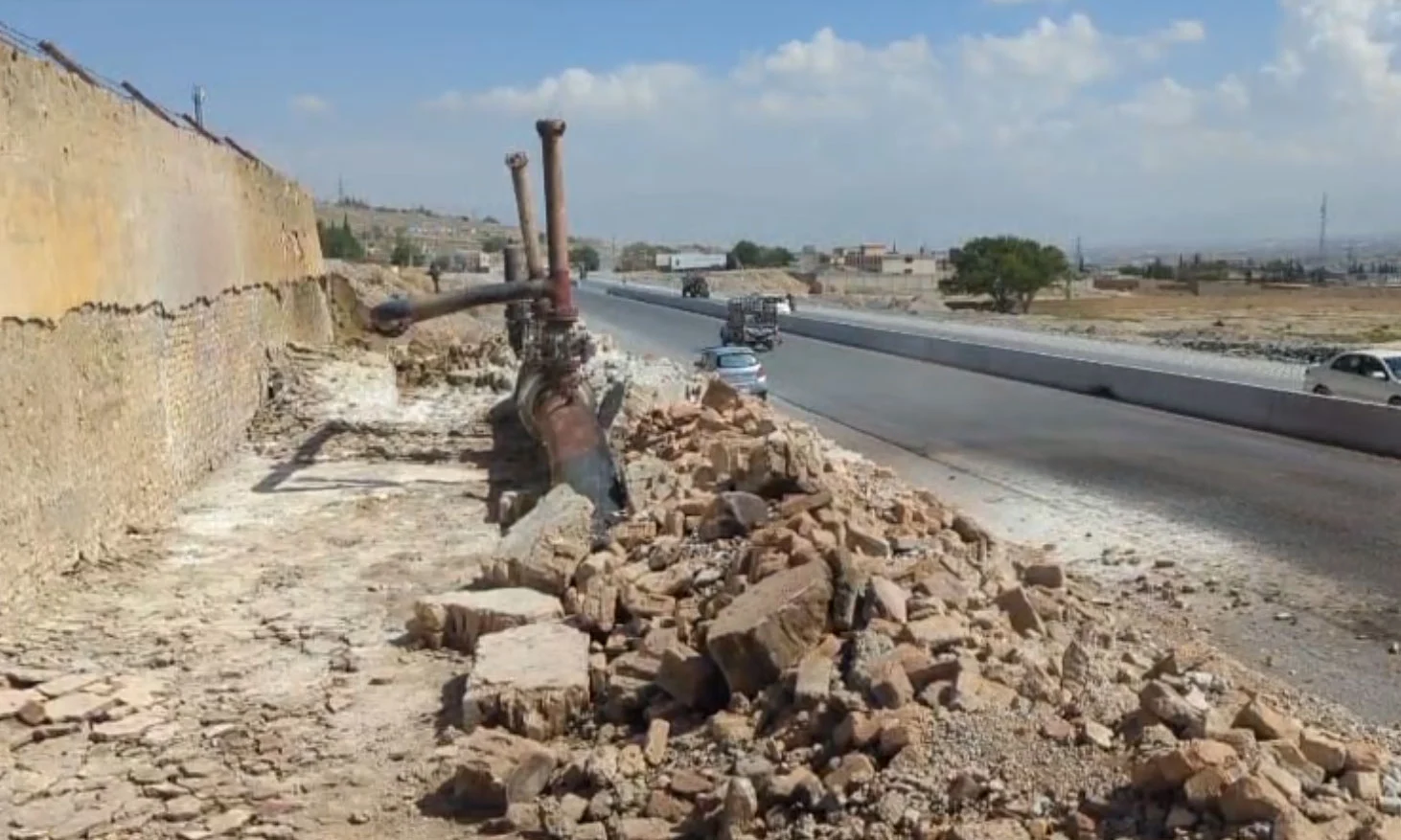
A main gas pipeline in the Bolan area of Balochistan was blown up in an explosion that has cut supply to Quetta and several surrounding districts, gas utility officials confirmed. The blast struck an 18-inch-diameter Sui Southern Gas Company pipeline near Gokart in the Bolan River Bed, forcing the suspension of supply to Kolpur, Mach, Mastung, Kalat, Pishin and Ziarat, with parts of Quetta also facing reduced pressure.
Background
Bolan, a mountainous district that sits along the strategic Quetta–Sibi corridor in Balochistan, has repeatedly been the site of attacks on energy infrastructure over the past several years. The area’s gas network carries supply to Quetta and numerous towns further north, making any damage to its pipelines disruptive well beyond the immediate blast site. Balochistan’s energy infrastructure, including facilities run by the Sui Southern Gas Company and the Sui Northern Gas Pipelines Limited, has faced recurring sabotage attempts tied to the province’s long-running separatist insurgency, with militant groups periodically targeting pipelines, gas plants and exploration vehicles as a way to pressure the state economically. Similar explosions have struck pipelines near Quetta’s Akhtarabad and Western Bypass areas, in Dera Bugti, and along the Bolan corridor itself in recent years, often knocking out supply to thousands of households and businesses for days at a time while security clearances are arranged for repair crews.
Details
According to officials from the Sui Southern Gas Company, the latest explosion occurred at the KMP-246 Valve Assembly, located in the Bolan River Bed near Gorkut, roughly 700 to 800 metres from the main Quetta–Sibi Road. The blast destroyed a section of the 18-inch pipeline and triggered a fire, with flames reported visible from a considerable distance. The explosion’s location, some distance from the main highway, means repair crews cannot begin work until security personnel have cleared the surrounding area, a process that has historically taken anywhere from several hours to more than a day depending on the terrain and threat assessment. As a direct result of the blast, gas supply has been suspended to Kolpur, Mach, Mastung, Kalat, Pishin and Ziarat, while consumers in parts of Quetta are also expected to experience reduced gas pressure until repairs are completed. SSGC has said its repair teams remain on standby and are ready to move to the site as soon as clearance is granted by security forces, though work had not yet begun as of the company’s latest update. No group has so far claimed responsibility for the explosion, and investigators have not publicly confirmed whether it was caused by an improvised explosive device or another form of sabotage, though similar attacks on Balochistan’s gas network in the past have frequently been attributed to militant groups operating in the province. This is far from an isolated event for the region. Balochistan’s gas infrastructure has been targeted repeatedly over the years, with attacks in Quetta’s Akhtarabad locality, in Dera Bugti, and at other points along the Bolan corridor causing similar disruptions to supply. In several previous incidents, militant groups including the outlawed Baloch Liberation Army have claimed responsibility for pipeline attacks, framing them as part of a broader campaign against what they describe as the exploitation of the province’s natural resources. Security forces typically respond to these incidents by cordoning off the area, launching an investigation, and increasing protective deployments at nearby gas installations to deter follow-up attacks.
Quotes
Officials from the gas utility have so far kept their public remarks limited to confirming the technical scope of the damage rather than assigning blame. An SSGC spokesperson said the explosion occurred at the pipeline’s valve assembly and confirmed that a significant section of the line was destroyed in the blast. The company added that its management is closely monitoring the situation and that efforts will be made to restore supplies to affected areas at the earliest opportunity once repair teams are cleared to access the site. SSGC also expressed regret over the inconvenience the suspension has caused to consumers across the affected districts.
Impact
The disruption highlights the fragility of Balochistan’s gas distribution network, which serves as the primary source of household and commercial fuel for Quetta and numerous surrounding towns. Repeated attacks of this kind have a compounding effect: each incident forces residents and businesses to fall back on alternative fuel sources, often at higher cost, while repair crews work through security clearances that can delay restoration by a day or more. Beyond the immediate inconvenience to consumers, persistent attacks on energy infrastructure add pressure on Pakistan’s broader energy security at a time when the country is already managing wider regional volatility. For Balochistan specifically, the recurring nature of these attacks has kept energy infrastructure protection near the top of the province’s security agenda, with authorities periodically increasing patrols and clearance requirements around SSGC facilities following each new incident.
Conclusion
Repair work on the damaged Bolan pipeline is expected to begin once security clearance is granted, though SSGC has not given a firm timeline for when full gas supply will be restored to Quetta and the affected districts. Given the pattern of previous attacks in the area, authorities are likely to increase security around vulnerable stretches of the pipeline network in the coming days, even as the investigation into who was behind this latest explosion continues. Residents in the affected areas have been advised to arrange alternative fuel sources in the interim, a step that has become a familiar routine in a province where attacks on gas infrastructure recur with troubling regularity.
Frequently Asked Questions
What is the common name for the Pakistan-Iran gas pipeline?
The Pakistan-Iran gas pipeline is commonly known as the “Peace Pipeline,” and it is also frequently referred to as the IP pipeline or the Iran-Pakistan pipeline. It was originally conceived as a larger project connecting Iran, Pakistan and India before India withdrew from the plan. The pipeline is intended to carry natural gas from Iran’s South Pars field to energy-starved regions of Pakistan, though the project has faced repeated delays over the years due to financing difficulties, security concerns along its route through Balochistan, and the risk of international sanctions tied to energy dealings with Iran. It is separate from the domestic SSGC and SNGPL pipeline networks that were affected in the Bolan explosion.
How common are pipeline explosions?
Pipeline explosions targeting Balochistan’s gas network have become a recurring feature of the province’s security situation, with attacks reported in areas including Quetta, Dera Bugti, Sibi and the Bolan corridor multiple times within a single year in some cases. Independent monitoring groups that track conflict-related incidents in Pakistan have recorded hundreds of attacks on gas and oil installations and tankers in Balochistan going back more than two decades, most of which have caused property damage and supply disruptions rather than mass casualties, since the primary intent behind most of these attacks appears to be economic disruption rather than loss of life. Outside conflict zones, major pipeline explosions are comparatively rare events, though aging infrastructure, corrosion and construction accidents remain ongoing safety concerns for pipeline operators worldwide.
What happened to the Russian gas pipeline?
This question most commonly refers to the Nord Stream pipelines connecting Russia to Germany under the Baltic Sea, which were struck by a series of underwater explosions in September 2022 that ruptured three of the four pipeline strings and caused large gas leaks into the sea. The incident occurred amid heightened tensions following Russia’s invasion of Ukraine, and multiple governments launched investigations into what was widely treated as an act of sabotage, though responsibility for the attack has remained a subject of dispute and competing claims among investigators and governments in the years since. The Nord Stream pipelines were not carrying active commercial gas flows to Germany at the time of the explosions, since Russian supply through the system had already been curtailed amid the broader energy standoff between Russia and Europe.