

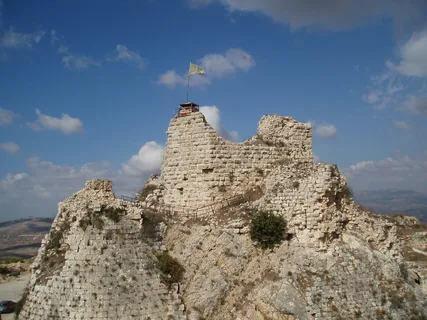

The historic Beaufort Castle Lebanon has once again become the focus of international attention after Israeli forces reportedly took control of the strategic hilltop fortress during an expanded military operation in southern Lebanon. The development has reignited debate about the Israel-Lebanon war, regional security concerns, and the importance of one of the Middle East’s most famous medieval strongholds.
As tensions continue to rise along the border, the seizure of the castle highlights how centuries-old landmarks can become key locations in modern military conflicts. The event has also prompted renewed interest in Beaufort Castle Lebanon history and its role in regional geopolitics.
The Long History of Beaufort Castle Lebanon
The story of Beaufort Castle Lebanon stretches back nearly a thousand years. The fortress, known in Arabic as Qalaat al-Shaqif, stands on a steep ridge in southern Lebanon and overlooks vast areas of the surrounding countryside.
Built during the medieval period, the fortress became one of the most important examples of a Crusader castle Lebanon possesses today. Over the centuries, different rulers controlled the site, including Crusader forces, Muslim dynasties, Ottoman authorities, and eventually modern Lebanese administrations.
Its elevated position has always given military advantages to whoever controls it. From the castle walls, observers can monitor large portions of southern Lebanon and areas near the Israeli border. This strategic value explains why the fortress has repeatedly appeared in regional conflicts.
Why Beaufort Castle Remains Strategically Important
Despite advances in modern military technology, geography still matters in warfare. Beaufort castle in southern Lebanon sits atop a commanding hill that provides extensive visibility across surrounding valleys and roads.
Military analysts often point out that controlling high ground can offer tactical advantages for surveillance, communications, and defensive operations. Because of these factors, the castle has remained strategically relevant even in the twenty-first century.
Its location near one of the most sensitive border regions in the Middle East has made it a recurring flashpoint during periods of tension between Israel and armed groups operating in Lebanon.
Israel Expands Operations in Southern Lebanon
Recent developments have placed the fortress back into global headlines. Israeli forces reportedly moved deeper into southern Lebanon as part of an expanded military campaign targeting security threats along the border.
The operation occurred amid continuing hostilities linked to the broader Israel-Lebanon confrontation. Israeli officials have argued that military actions are necessary to prevent attacks originating from Lebanese territory and to secure communities located near the frontier.
The reported seizure of Beaufort Castle represents both a symbolic and strategic achievement. The fortress offers a commanding view of nearby areas and serves as a recognizable landmark with deep historical significance.
Why Is Israel Attacking Lebanon?
One of the most frequently asked questions in current discussions is: Why is Israel attacking Lebanon?
Israeli leaders state that military operations are intended to counter security threats posed by armed groups operating in southern Lebanon. According to Israeli authorities, cross-border attacks and missile launches have created ongoing risks for Israeli civilians.
Lebanese officials and regional observers, however, argue that military operations inside Lebanon increase instability and risk further escalation. Critics warn that expanded military action could deepen humanitarian challenges and widen the conflict.
The disagreement reflects the broader complexity of the Israel-Lebanon war, where competing security concerns, political interests, and historical grievances continue to shape events.
A Castle Shaped by Conflict
The importance of Beaufort Castle Lebanon history cannot be separated from the region’s turbulent past. Throughout the centuries, armies have fought for control of the fortress because of its unique location.
During previous conflicts, including battles involving Israel and Lebanese armed groups, the castle frequently served as a military position. As a result, parts of the structure suffered damage despite efforts to preserve its historical value.
Today, the fortress stands not only as an architectural monument but also as a reminder of how history and modern politics often intersect in the Middle East.
Regional Reactions to the Latest Developments
Governments across the region are closely monitoring events in southern Lebanon. Diplomatic officials have expressed concern that additional military operations could increase instability and complicate efforts to reduce tensions.
International organizations have repeatedly called for restraint from all parties involved. Humanitarian groups are also watching the situation carefully because any expansion of fighting could affect civilian populations living near the conflict zone.
The renewed focus on Lebanon news demonstrates how developments in the border region continue to attract worldwide attention.
The Broader Impact on the Israel-Lebanon War
The reported control of Beaufort Castle could have implications beyond its immediate military significance. Symbolically, the fortress represents a powerful historical landmark that carries meaning for both local communities and regional observers.
For Israel, controlling strategic locations may support broader military objectives. For Lebanon, the development raises concerns about sovereignty, security, and the potential expansion of conflict.
Analysts suggest that actions involving such a high-profile site may influence diplomatic discussions and public opinion throughout the region.
What Happens Next?
The future of Beaufort castle in southern Lebanon remains uncertain. Much will depend on how military operations evolve and whether diplomatic efforts can reduce tensions between the parties involved.
Regional leaders continue to seek ways to prevent a wider confrontation. However, the situation remains fluid, and developments on the ground could rapidly change the security landscape.
As attention remains focused on the border area, Beaufort Castle is likely to remain both a strategic military position and a powerful symbol of the region’s long and complex history.
Conclusion
The renewed spotlight on Beaufort Castle Lebanon demonstrates how historical landmarks can become central to modern geopolitical struggles. From its origins as a medieval fortress to its role in today’s security challenges, the castle remains one of the most significant sites in southern Lebanon.
As the Israel-Lebanon war continues to shape regional events, the fortress serves as a reminder that history, geography, and politics are often deeply connected. Whether viewed as a military asset, cultural treasure, or symbol of conflict, Beaufort Castle will likely remain at the center of discussions about the future of the region.
FAQs
Who is the enemy of Lebanon?
Lebanon does not officially identify a single permanent national enemy. However, relations between Lebanon and Israel have historically been marked by conflict, military confrontations, and border disputes. Different political groups within Lebanon may also view regional threats differently depending on their political affiliations and security concerns. The country’s foreign policy is shaped by a complex mix of regional dynamics, domestic politics, and international diplomacy.
Is Hezbollah more powerful than the Lebanese Army?
Comparisons between Hezbollah and the Lebanese Armed Forces are complex because both serve different roles. Hezbollah is a powerful non-state armed organization with significant military capabilities, while the Lebanese Army is the country’s official national military institution. Analysts generally note that Hezbollah possesses advanced weaponry and extensive combat experience, whereas the Lebanese Army operates as the state’s recognized defense force with broader national responsibilities.
What religion is Joseph Aoun?
Joseph Aoun is a Maronite Christian. He served as commander of the Lebanese Armed Forces before becoming President of Lebanon. Maronite Christianity is one of Lebanon’s largest Christian communities and plays an important role in the country’s political system, where major government positions are traditionally distributed among different religious groups.