

For close to three weeks, a single question has been playing out in Pakistani courtrooms: can the country’s medical regulator order Afghan nationals out of ongoing degree programmes without giving them a chance to respond first. The answer, for now, is no, but the case is far from settled.
Background
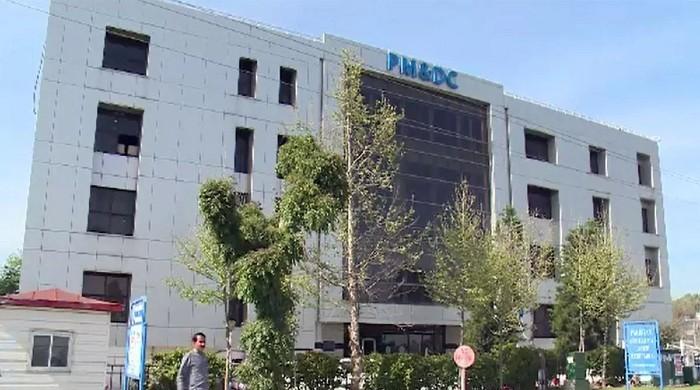
Pakistan Medical and Dental Council rules govern who can be admitted to, and remain enrolled in, medical and dental colleges across the country. On July 31, and again in a firmer letter on September 1, PMDC told these colleges two things: stop admitting or facilitating Afghan nationals for the current academic session, and arrange for Afghan students already studying there to return home.
King Edward Medical University in Lahore acted first, telling about 20 Afghan MBBS students, several close to graduation, to leave their hostels within a day. That single decision is what pushed the dispute out of administrative offices and into the Lahore High Court.
Afghan students in Pakistan have historically studied under scholarship programmes, including the long-running Allama Iqbal scholarship scheme, and many say they hold valid visas and have been enrolled for years. Their argument in court has centred less on immigration status and more on whether PMDC has the legal power to expel enrolled students through a blanket directive rather than individual review.
Timeline of the Case So Far
July 31: PMDC issues its first directive restricting facilitation of Afghan nationals in medical and dental colleges.
September 1: A follow-up letter reiterates the instruction and adds that already-enrolled Afghan students must return to Afghanistan.
September 9-10: King Edward Medical University begins acting on the directive; the first group of 13 Afghan students files petitions in the Lahore High Court.
September 11: Justice Khalid Ishaq suspends both PMDC directives on an interim basis, orders that students be allowed to keep attending classes and living in hostels, and sets September 18 as the date for replies from PMDC and other respondents.
September 14: A separate bench of the Sindh High Court takes up a related petition from three Afghan students, with arguments focused heavily on what forced return would mean for female students under current restrictions in Afghanistan.
September 18: With more than a hundred students now covered by related petitions, lawyers for PMDC and one of the named colleges ask for extra time to file replies. Justice Ishaq extends the suspension rather than let it expire, without setting a fixed date for the next hearing.
Why PMDC Issued the Directive
PMDC’s own public position, echoed by its lawyer in court, has been that the matter connects to broader national security and immigration policy rather than academic standards. During the September 11 hearing, the council’s counsel argued that people generally cannot remain in a country without valid, current authorisation, and framed the directive as consistent with how other countries manage visa compliance.
Justice Ishaq was not persuaded by that framing, noting that the students in question had been studying in Pakistan for years under arrangements the state itself had permitted, and questioning why colleges would train students for most of a degree only to remove them before completion.
Where the Case Stands Province by Province
The picture is not uniform across Pakistan. In Punjab, the Lahore High Court’s extended suspension currently protects over a hundred students named in the various petitions before it, letting them continue coursework, exams, and hostel stays. In Sindh, a parallel case is still being argued, with the outcome not yet decided. In Balochistan, a similar petition was rejected at an earlier stage, meaning Afghan students there do not currently have the same court-ordered protection.
That patchwork means two Afghan medical students in otherwise identical situations, one in Lahore and one in Quetta, could face very different outcomes purely based on where their case was heard.
What Students and Officials Are Saying
Students affected by the directive describe the abruptness of the order as the hardest part to process, particularly those who were within a year of finishing their degree. One student told AFP that the initial notice felt like watching years of work disappear overnight.
Protest organisers among the student community have framed their demand narrowly, saying they are not opposing government policy in general but asking specifically to be allowed to finish degrees they started legally. Afghanistan’s ambassador to Pakistan publicly welcomed the LHC’s initial suspension order, calling it a positive step for Afghan students pursuing medical training in the country.
What Happens Next
Because Justice Ishaq extended the interim relief without fixing a new hearing date, the immediate effect is that things stay as they are: no expulsions, no blocked exams, no lost hostel rooms, until the court says otherwise. PMDC and the named colleges still owe the court formal written replies addressing whether the directive was issued within the council’s legal authority.
The eventual ruling will likely turn on a fairly narrow legal question, whether PMDC’s regulatory mandate extends to ordering the removal of already-enrolled foreign students without individualised hearings, but the practical stakes for the roughly 1,000 Afghan medical students in Pakistan are considerably larger than that one legal point.
Frequently Asked Questions
Can Indian students get an MBBS degree in Afghanistan?
This is not a practical route for Indian medical aspirants. India’s National Medical Commission requires that any foreign MBBS degree come from an institution that meets its standards for course length, faculty, and clinical training, and graduates must still pass the Foreign Medical Graduate Examination to practise back home. Afghanistan’s higher education sector has been under significant strain since 2021, including restrictions on women’s access to education, and its medical colleges are not treated as a credible or recognised option by Indian regulators or education consultants, so pursuing an MBBS there would likely leave a graduate unable to register and practise in India.
Which medical colleges are blacklisted by PMDC?
PMDC reviews colleges on an ongoing basis and has, at different times, withdrawn or suspended recognition from institutions that failed inspections on faculty numbers, clinical training capacity, or infrastructure. This list is revised periodically rather than fixed, since colleges can be restored once they fix flagged deficiencies, and new institutions can be added if problems surface during later inspections. PMDC also separately cautions students about foreign medical universities, particularly in parts of Central Asia, whose degrees may not meet requirements for licensing back in Pakistan. Anyone weighing an admission decision should check PMDC’s official notifications directly rather than relying on older lists, since names on the list change from year to year.
How many Pakistani students are in Afghanistan?
The figure has shifted a lot depending on the state of the Pakistan-Afghanistan border. Student associations have at times put the number as high as 3,000 to 3,500, with a large share studying medicine in Kabul and Jalalabad. The most recent official figure, given to Pakistan’s National Assembly in February 2026, put the number still in Afghanistan at around 947, after roughly 1,100 had already returned home once the border reopened for movement. Most of those remaining are reported to be continuing their medical studies despite ongoing travel restrictions between the two countries.