Summary
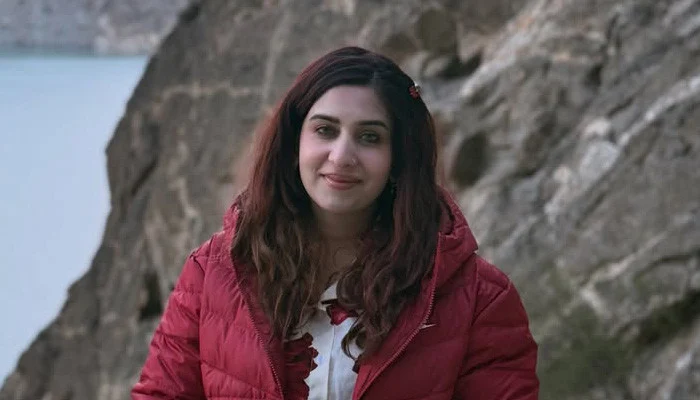
The body of Pakistani mountaineer Dr Asma Mushtaq was airlifted to Skardu on Monday, weeks after she died on Spantik Peak. Officials confirmed the recovery came after repeated attempts were blocked by snowfall and high winds. The remains will now be flown to Lahore once weather allows.
Background
Dr Asma Mushtaq, 34, lost her life on August 20 after suffering a serious medical emergency at high altitude. She was descending from Spantik, a 7,027-metre peak in the Karakoram range also known as Golden Peak. Her death shook Pakistan’s small but tightly knit mountaineering community.
Recovering her body proved far harder than expected. Spantik sits in remote terrain, and the days after her death brought the kind of weather that grounds helicopters and stalls ground teams for good.
Details of the Spantik Incident
Rescue teams made several attempts to reach her remains in the weeks that followed the Spantik incident. One earlier push was called off entirely. Heavy snowfall and strong winds forced the team to turn back while they were still approaching Camp 3.
Once conditions eased, the rescuers went back up. They set out from base camp toward Camp 2 to resume the operation. By September 2, the Arandu Volunteer Rescue Team had brought Dr Asma’s body down to Spantik Peak Base Camp, a milestone after days of setbacks.
The final stage came on Monday, when her body was airlifted from the base camp to Skardu. From there, it was moved to a local hospital before onward travel arrangements were made.
Quotes
Federal Information Minister Ataullah Tarar confirmed the recovery in a statement on X. He described the operation as “exceptionally difficult” given the terrain and the altitude involved.
Tarar also thanked the teams behind the effort. “We are deeply grateful to FCNA, the Arandu Volunteer Rescue Team, and everyone involved in this effort,” he said.
He added that the body would be transported to Lahore on the next available flight, provided the weather stays cooperative.
Impact
Cases like this expose how limited Pakistan’s high-altitude rescue infrastructure still is. Helicopters can only fly in narrow weather windows, and ground teams often have no choice but to wait out storms that can last for days.
The delay in bringing Dr Asma home also renewed public attention on the risks Pakistani climbers face on lesser-known peaks like Spantik, which draw far less international coverage than K2 or Nanga Parbat but carry many of the same dangers.
For her family, the wait has been especially hard. Her death and the drawn-out recovery have added weeks of uncertainty to an already painful loss.
Conclusion
Officials say Dr Asma’s body is expected to reach Lahore soon, weather permitting. Her case is likely to add fresh pressure on authorities to review how rescue operations are resourced in Gilgit-Baltistan’s high mountains. For now, tributes continue to come in from fellow climbers and mountaineering bodies across the country.
FAQs
Who was Dr Asma Mushtaq?
Dr Asma Mushtaq was a 34-year-old Pakistani mountaineer who died on August 20, 2026, after suffering a serious high-altitude medical emergency while she was descending from Spantik Peak in the Karakoram range. She had built a reputation within Pakistan’s mountaineering circles before the accident.
Who found Ali Sadpara’s body?
Ali Sadpara’s body was located in July 2021 by a Sherpa rope-fixing team working with the Madison Mountaineering K2 expedition, roughly 300 metres below the K2 Bottleneck. His son, Sajid Sadpara, who had organised a search mission along with a small team, reached the site shortly after and helped bring the remains down.
Is Nimsdai dead?
Yes. Nirmal “Nimsdai” Purja died on July 30, 2026, along with several fellow climbers when an avalanche struck their expedition on Broad Peak in Gilgit-Baltistan. His death was confirmed two days later by his expedition company, Elite Exped, and was widely mourned across the mountaineering world.