Pakistan’s largest wastewater treatment plant has formally received approval from the federal government, marking a major step toward addressing the country’s long-standing sewage and industrial effluent crisis. The nod places Pakistan among a growing list of nations racing to expand large-scale water treatment infrastructure. The decision comes at a time when several countries are investing heavily in massive treatment facilities to meet rising urban and industrial water demands.
Background
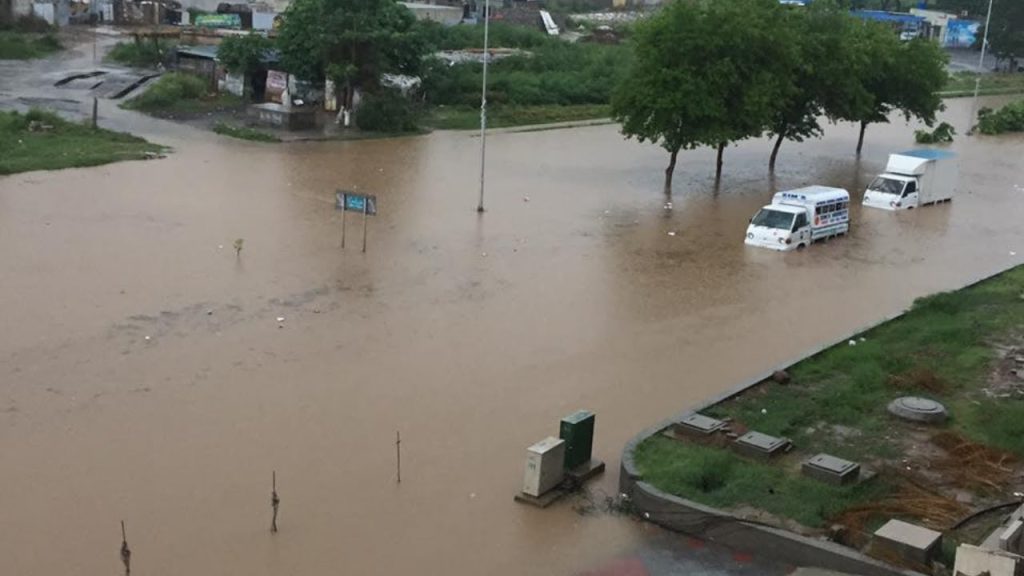
Pakistan’s cities have struggled for decades with inadequate sewage systems, and untreated wastewater has routinely been discharged into rivers, canals, and coastal waters. Karachi, Lahore, and Faisalabad have all reported severe strain on their existing drainage networks as populations expand faster than infrastructure can keep pace. Successive governments have tried to launch large treatment schemes, but many projects stalled due to funding gaps, land disputes, and delayed approvals from planning bodies. The latest approval follows years of technical review by the Central Development Working Party before being forwarded to the Executive Committee of the National Economic Council for final clearance. Globally, the race to build the largest wastewater treatment plant has intensified over the past decade. Countries in the Middle East, North America, and East Asia have poured billions into mega-facilities designed to recycle water for agriculture, industry, and in some cases even drinking supplies.
Details
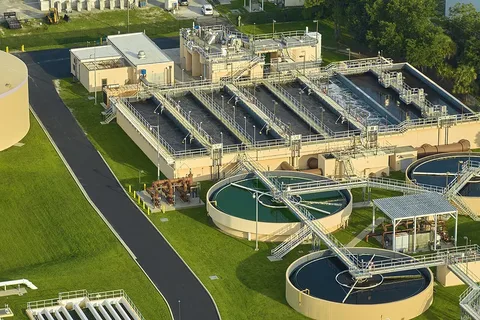
The newly approved project is designed to treat tens of millions of gallons of wastewater daily, easing pressure on rivers and canals that have absorbed untreated effluent for years. Officials say the facility will use modern treatment technology, including mechanical screening, biological treatment, and controlled discharge systems, to bring water quality closer to international standards. When discussing the largest wastewater treatment plant in the world, most experts point toward Egypt. The Bahr El Baqar Wastewater Treatment Plant in Port Said currently treats around 5.6 million cubic metres of water every single day, a scale that earned it multiple Guinness World Records after it became operational in 2021. It remains one of the most frequently cited examples whenever people search for the largest wastewater treatment plant 2021 achieved worldwide. Egypt has since gone further with the New Delta Wastewater Treatment Plant in El Dabaa, which opened in 2023 and pushed capacity even higher, reportedly treating around 7.5 million cubic metres per day. The New Delta Wastewater Treatment Plant now holds the distinction of being the single largest facility of its kind anywhere on earth, surpassing Bahr El Baqar in raw daily capacity.
In the United States, the picture looks different because most large plants were built decades ago and have been upgraded rather than rebuilt. Among the top 10 largest wastewater treatment plants in the United States, the Stickney Water Reclamation Plant in Illinois is widely regarded as the biggest, serving millions of residents in the greater Chicago region. Other major American facilities include the Deer Island plant near Boston, the Blue Plains Advanced Wastewater Treatment Plant in Washington D.C., the Detroit Wastewater Treatment Plant, and the Passaic Valley Sewerage Commission facility in New Jersey. These plants collectively treat billions of gallons of wastewater every day and remain central to public health protection across major American cities. When it comes to the largest wastewater treatment plant in Asia, China dominates the conversation. Wenzhou’s underground sewage treatment facility is often cited as one of the continent’s biggest and most technologically advanced underground plants, built largely below ground to save space in a densely populated urban area. Several other Chinese cities have also built enormous treatment complexes as part of nationwide efforts to curb river and coastal pollution. Turning to Europe, the largest wastewater treatment plant on the continent is generally recognised as a facility serving a major European capital, built to handle both dry-weather and storm-driven wet-weather flows. European plants tend to emphasise advanced nutrient removal and energy recovery, reflecting the region’s stricter environmental regulations compared to many other parts of the world. Separate from wastewater treatment, the discussion around the largest water plant in the world often extends into drinking water supply. Among the 10 largest drinking water treatment plants in the world, facilities in the United States, China, and the Gulf region regularly top the list, processing raw river or seawater into potable supplies for tens of millions of people daily. Desalination-linked drinking water plants in the Gulf states have grown especially fast in recent years as countries diversify away from groundwater dependence.
Quotes
A senior official involved in the project’s approval process said the plant “will significantly reduce the volume of untreated effluent entering our waterways” once fully operational, adding that the government views the scheme as a long-overdue investment in public health. An environmental expert who has studied wastewater infrastructure across South Asia noted that projects of this scale typically take years to reach full capacity, cautioning that consistent funding and maintenance will determine whether the plant delivers on its promised impact.
Impact
The approval carries both regional and international significance. Locally, it is expected to reduce the volume of raw sewage flowing into major waterways, easing pressure on downstream agricultural land and improving water quality for communities that rely on those rivers and canals. Regionally, the project positions Pakistan alongside other developing nations that have prioritised large-scale water infrastructure as part of broader public health and climate resilience strategies. Improved wastewater treatment is increasingly viewed as essential to protecting groundwater reserves, which remain a primary drinking water source for much of the country. On a global scale, the growing list of mega-facilities, from Bahr El Baqar and New Delta in Egypt to Stickney in the United States and the large underground plants of China, reflects an international shift toward treating wastewater as a resource rather than simply a byproduct to be discarded. Treated water is increasingly reused for irrigation, industrial cooling, and in some advanced systems, indirect drinking supply.
Conclusion
With federal approval now secured, attention shifts to the construction timeline, contractor selection, and funding disbursement for Pakistan’s largest wastewater treatment plant. Officials have indicated that work is expected to proceed in phases, with the first stage focused on the core treatment facility and trunk sewer connections. As global comparisons show, from Egypt’s record-breaking New Delta and Bahr El Baqar plants to America’s Stickney facility and Asia’s expanding underground treatment systems, the scale of investment required to solve urban wastewater challenges is substantial. Whether Pakistan’s newly approved plant can be delivered on schedule will be closely watched by planners, environmental groups, and residents of the communities it is meant to serve.
Frequently Asked Questions
What are the three major wastewater treatments?
Wastewater treatment generally happens in three major stages. Primary treatment involves physically removing large solids and debris through screening and sedimentation, allowing heavier particles to settle out of the water. Secondary treatment uses biological processes, where bacteria and microorganisms break down organic matter that remains after the primary stage, significantly reducing pollutant levels. Tertiary treatment is the final and most advanced stage, using filtration, disinfection, and sometimes chemical processes to remove remaining nutrients, pathogens, and contaminants before the water is discharged or reused. Many of the largest wastewater treatment plant projects around the world, including those in Egypt and the United States, rely on all three stages to meet strict environmental and public health standards.
How many wastewater treatment plants are there in India?
India operates several hundred wastewater treatment plants across its states, with the exact number varying depending on how facilities are classified and whether decentralised or small-scale units are included in official counts. Major metropolitan areas such as Delhi, Mumbai, Bengaluru, and Chennai host multiple large treatment facilities, while smaller cities and towns often rely on more limited infrastructure. Government reports have repeatedly noted that treatment capacity across India still falls short of the total wastewater generated nationally, prompting ongoing investment in new plants and upgrades to existing ones under various river and urban sanitation programmes.
What are the largest wastewater treatment plants in the United States?
Among the top 10 largest wastewater treatment plants in the United States, the Stickney Water Reclamation Plant near Chicago is typically ranked as the biggest, treating hundreds of millions of gallons daily for millions of residents. Other major facilities include the Deer Island plant serving Boston, the Blue Plains Advanced Wastewater Treatment Plant in Washington D.C., the Detroit Wastewater Treatment Plant in Michigan, and the Passaic Valley Sewerage Commission plant in New Jersey. These facilities collectively serve some of the largest metropolitan populations in the country and have been continuously upgraded over decades to meet evolving environmental regulations and growing urban demand.