
Iran attacks on Israel today have taken a back seat to a wider regional battle, as the United States carried out its sixth consecutive night of strikes on Iran early Friday. Iran hit back at American allies across the Gulf, including Jordan, Kuwait, and Bahrain, and the war is still nowhere near a resolution.
Background
Anyone asking what’s the latest news in Iran this week needs the wider context first. The current fighting traces back to February 2026, when the United States and Israel launched coordinated strikes on Iranian nuclear and military sites after diplomatic talks between Washington and Tehran collapsed.
Since then, the conflict has moved through several distinct phases. Iran retaliated against Israel directly in the early weeks, then increasingly shifted its response toward US military infrastructure and allied Gulf states once Washington took a leading role in the strikes. This shift explains why so many recent headlines focus on Gulf countries rather than Israel itself.
Latest news of Iran and Israel now centers heavily on this Gulf dimension. US Central Command has carried out repeated waves of strikes targeting Iranian coastal defenses, missile sites, and naval assets, while Iran has answered with missile and drone attacks aimed at American bases scattered across the region.
Details
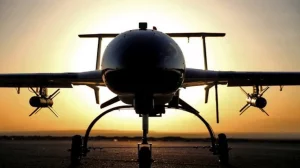
The US completed its sixth straight night of strikes against Iran at 9:40 p.m. Eastern Time Thursday, US Central Command confirmed. Fighter jets, drones, and warships struck dozens of targets, including coastal surveillance sites, air defense installations, military logistics hubs, and maritime capabilities near the Strait of Hormuz.
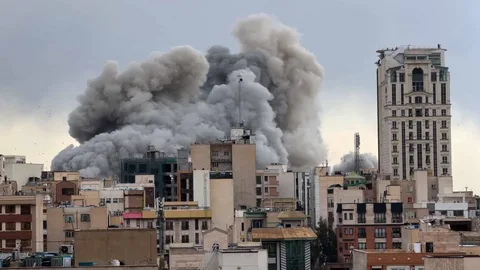
Explosions were reported in western Bandar Abbas, a major Iranian port city, according to Iran’s state broadcaster. CENTCOM said the strikes were meant “to further degrade Iranian military capabilities” following days of escalating exchanges over control of the strait, a critical corridor for global oil shipments.
Iran retaliation live updates from Thursday showed Tehran striking back at US military facilities in Jordan, Kuwait, and Bahrain. Jordan’s air defenses intercepted eight incoming Iranian missiles, while Kuwait’s army said it was “confronting attacks by hostile drones” following what it called “sinful Iranian aggression.” No confirmed damage to American facilities was reported by Thursday evening.
Iran’s military issued a stark warning of its own, saying it would target “all infrastructure in the region” if President Trump follows through on threats to strike Iranian civilian infrastructure directly. Trump said Wednesday he would not set a deadline for Iran to negotiate, warning that the country had “better make a deal” or it would “not have anything left.”
So is Iran striking Israel directly right now, or mainly hitting US assets? Based on the latest wave of attacks, Tehran’s immediate retaliation has stayed concentrated on Gulf-based American military infrastructure rather than Israeli territory, though Israeli forces remain active in the broader campaign against Iran alongside the US.
Quotes
White House Press Secretary Karoline Leavitt said Thursday that President Trump was “not going to sit by and allow these acts of terrorism to take place in the strait without ensuring Iran pays consequences,” signaling no near-term pullback in US strikes.
Sina Azodi, an assistant professor of Middle East Politics at George Washington University, told Al Jazeera that both sides are locked in a standoff of wills. He said Washington and Tehran are each “trying to force the other side to blink first and capitulate to the other side’s demands.”
Iran’s military separately claimed it destroyed radar systems in Oman and struck installations in Bahrain’s Juffair area, describing the targets as part of “the aggressive US army” presence in the region. Independent confirmation of the extent of that damage has not been established.
Impact
Latest update on Iran and American war coverage shows a region under mounting strain. Oil markets have reacted with sharp volatility as fighting continues near the Strait of Hormuz, a waterway that carries a significant share of the world’s crude oil exports.
Gulf states caught in the crossfire face rising civilian risk despite not being direct parties to the Iran-Israel dispute. Qatar, Jordan, and Bahrain have all reported strengthening air defenses around critical infrastructure in recent days, according to Al Jazeera reporting from Doha.
Domestic political pressure is also building inside the United States. A Washington Post-Ipsos poll released Thursday found that only 29% of Americans approve of how President Trump is handling the Iran conflict, even as gas prices and living costs tick upward at home.
CNN has reported that Trump is now reviewing options for expanding the US military operation in Iran, suggesting the war could widen further rather than wind down in the near term.
Conclusion
With six consecutive nights of strikes now behind them and no diplomatic breakthrough in sight, both Washington and Tehran appear dug in. Iran’s warning that it will strike “all infrastructure in the region” if civilian targets are hit raises the stakes considerably for Gulf neighbors who have already absorbed repeated attacks.
For those tracking what’s going on with the Iran war, the coming days will likely determine whether this settles into a prolonged standoff over the Strait of Hormuz or escalates into a broader confrontation involving more of Iran’s regional neighbors and, potentially, renewed direct exchanges with Israel.
Frequently Asked Questions
Did the US strike Iran today?
Yes, US Central Command confirmed it carried out its sixth consecutive night of strikes against Iran, concluding the latest wave at 9:40 p.m. Eastern Time Thursday. The strikes hit Iranian military targets including coastal surveillance sites, air defense systems, logistics infrastructure, and naval assets, with explosions reported in the port city of Bandar Abbas. US officials said the goal was to continue degrading Iran’s ability to threaten shipping through the Strait of Hormuz, and further strikes are expected to continue in the coming days given the lack of any diplomatic progress between Washington and Tehran.
Has Iran launched an attack?
Yes, Iran has continued launching retaliatory missile and drone attacks against US military facilities and allied Gulf states throughout the past week. Recent targets have included American bases and infrastructure in Jordan, Kuwait, and Bahrain, with Iran’s military claiming additional strikes on radar installations in Oman. Most of these Iranian attacks have been intercepted by regional air defense systems, and there have been no confirmed reports of significant damage to American facilities, though Gulf states have reported explosions and increased military alert levels as a result.
Has Iranian missiles hit Israel?
Direct Iranian missile strikes on Israeli territory have been less frequent in this current phase of the war compared to earlier stages of the conflict, with Tehran’s retaliation increasingly focused on US military assets across the Gulf region instead. That said, Israel remains an active participant in the broader military campaign against Iran, conducting its own strikes alongside US forces, and Iranian officials have not ruled out renewed direct attacks on Israel if the conflict continues to escalate or if Israeli operations against Iranian targets intensify further.