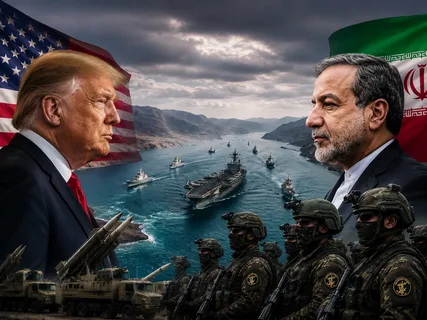
The latest news Iran Israel today shows continued instability despite an existing truce. The US military launched fresh strikes on Iran’s southern provinces this week. Iran responded by firing on US interests in Bahrain and Kuwait. Both sides are blaming each other for violating their fragile understanding.
Background: How the Iran War Started
This conflict traces back to February 2026, when US-Israeli airstrikes killed several senior Iranian officials, including the country’s Supreme Leader. The strikes came in the middle of ongoing nuclear negotiations between Washington and Tehran. Iran retaliated almost immediately with missile and drone attacks.
The Iran war news since then has covered a rapidly widening regional conflict. Hezbollah entered the fighting from Lebanon within days. Gulf nations including Saudi Arabia, the UAE, and Kuwait also became entangled after Iranian strikes hit their territory. A ceasefire was eventually announced in April, but it has been tested repeatedly ever since.
Details: The Current State of the US-Iran War
Three tankers were struck in the Strait of Hormuz over the past two days alone. This happened even as Iran and the US were expected to restart mediated negotiations soon. The US-Iran war has now cost American taxpayers well over one hundred billion dollars, according to independent estimates.
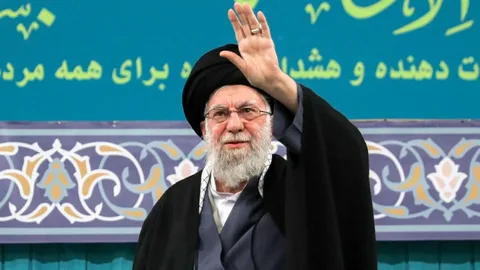
Millions of mourners gathered across Tehran, Qom, and Iraq’s holy cities this week for the funeral of Iran’s slain Supreme Leader. Crowds chanted slogans calling for revenge against the US and Israel. Security remains extremely tense as the funeral procession makes its way toward its final destination.
Meanwhile, Israel has continued separate strikes against Lebanon during this same period. This has added another layer of complexity to an already volatile regional picture. Analysts say the overlapping conflicts make any single resolution far more difficult to achieve.
US and Iran Negotiations Today
US and Iran negotiations today remain paused but are expected to resume next week, once Iran’s funeral proceedings conclude. Qatar has played a central mediating role throughout this process. Officials there recently described “positive progress” in earlier rounds of talks, even though a lasting agreement has not yet been reached.
Diplomats say the core sticking points remain unchanged. Iran’s nuclear enrichment program continues to be the single most contentious issue. Reopening the Strait of Hormuz permanently is another major demand from Washington and its allies.
US-Iran War: Who Is Winning?
The question of US-Iran war who is winning does not have a simple answer. Militarily, the United States and Israel have inflicted heavy damage on Iranian military infrastructure, air defenses, and leadership. However, Iran has demonstrated it can still strike back against US bases and shipping lanes.
Politically, the picture is more mixed. International criticism of the US-Israeli strikes has grown louder, with even some American political figures publicly criticizing the handling of the conflict. Iran, meanwhile, is dealing with severe internal economic damage that may weaken its long-term position regardless of battlefield outcomes.
Iran War: When Will It End?
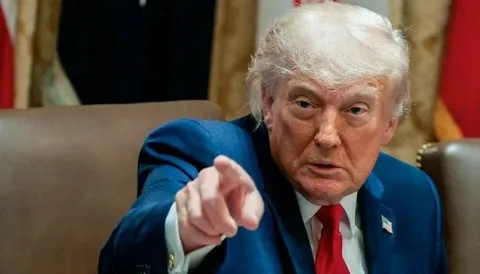
Many people are asking Iran war when will it end, and the honest answer is that nobody can say for certain yet. Negotiations are set to resume shortly, but both sides have already accused each other of violating their existing truce multiple times. President Trump has warned that further attacks on Iran’s power grid and infrastructure remain possible if fighting resumes.
Economists and regional experts widely agree that even a successful long-term peace deal would not immediately fix the region’s problems. Rebuilding trust between the two nations is expected to take considerably longer than any formal signing ceremony.
Impact: Iran’s Economy Under Pressure
The economic toll of this war has been severe. Iran’s central bank reported that GDP shrank during the past year, while imports and exports both declined sharply. The International Monetary Fund projects Iran’s economy will contract further in 2026, with recovery unlikely before 2027.
Inflation inside Iran has climbed to levels not witnessed since the Second World War. Food prices alone have surged dramatically, pushing millions of ordinary Iranians toward poverty. Unemployment has also risen sharply as factories and small businesses struggle to reopen following months of disruption.
Beyond Iran’s borders, the war has disrupted global oil markets, shipping routes, and supply chains. Gulf nations, European economies, and Asian markets have all felt varying degrees of financial strain tied directly to this conflict.
Conclusion: What Comes Next
The coming weeks will be critical for the future of the Iran war. Renewed negotiations, mediated by Qatar, could pave the way toward a more lasting resolution. However, continued strikes in the Strait of Hormuz show just how easily the current truce could collapse entirely.
Until a durable agreement is reached, expect continued volatility in the region, ongoing economic hardship inside Iran, and close global attention on every diplomatic development. This remains one of the most closely watched conflicts in the world today, and updates are expected on a near-daily basis.
Frequently Asked Questions
Is Iran economically strong at this point in the conflict?
Despite being a major regional power with significant oil reserves, Iran is not currently in a strong economic position. The ongoing war has drained government resources, disrupted trade routes, and triggered runaway inflation across essential goods like food and fuel. The government’s limited fiscal capacity has made it difficult to cover regular expenses, let alone fund reconstruction. While Iran retains substantial natural resources and industrial capacity, the near-term outlook remains weak until sanctions are eased and stability returns.
Where is most of Iran’s oil located?
The vast majority of Iran’s oil reserves and production capacity are concentrated in Khuzestan province, located in the southwestern part of the country near the Persian Gulf and the Iraqi border. This region has historically accounted for roughly 90 percent of Iran’s crude oil output, making it one of the most strategically important areas in the entire country. Because of its proximity to the Strait of Hormuz and key export terminals, Khuzestan has also become a focal point during the current conflict, with infrastructure in the region facing repeated disruption.
Will the US and Iran reach a permanent peace agreement soon?
While negotiations are expected to resume shortly, most analysts remain cautious. Core disagreements over Iran’s nuclear program and long-term security guarantees have not been resolved, meaning a lasting peace deal may still be some distance away.