A week on from the powerful earthquake that hit Venezuela, thousands of people are still struggling to get by. Rescue crews are still combing through the wreckage looking for survivors, while countless families are dealing with food shortages, wrecked homes, and barely any access to clean water.
What started as a natural disaster has now turned into a full-blown humanitarian emergency. Relief groups are working alongside local authorities to get food, medical care, and shelter to those who need it but a lot of communities are still waiting for help to arrive.
What Happened
The crisis began when a powerful earthquake tore through several parts of Venezuela, leaving a trail of destruction in its wake. Homes, schools, hospitals, and public buildings all took damage, and many residents had no choice but to leave their communities behind.
Emergency crews mobilized fast. Rescue workers, volunteers, and medical teams headed straight for the hardest-hit areas to search for survivors and treat the injured.
Even with a quick initial response, the sheer scale of the destruction has made recovery a slow, difficult process.
Rescue Efforts Are Still Going
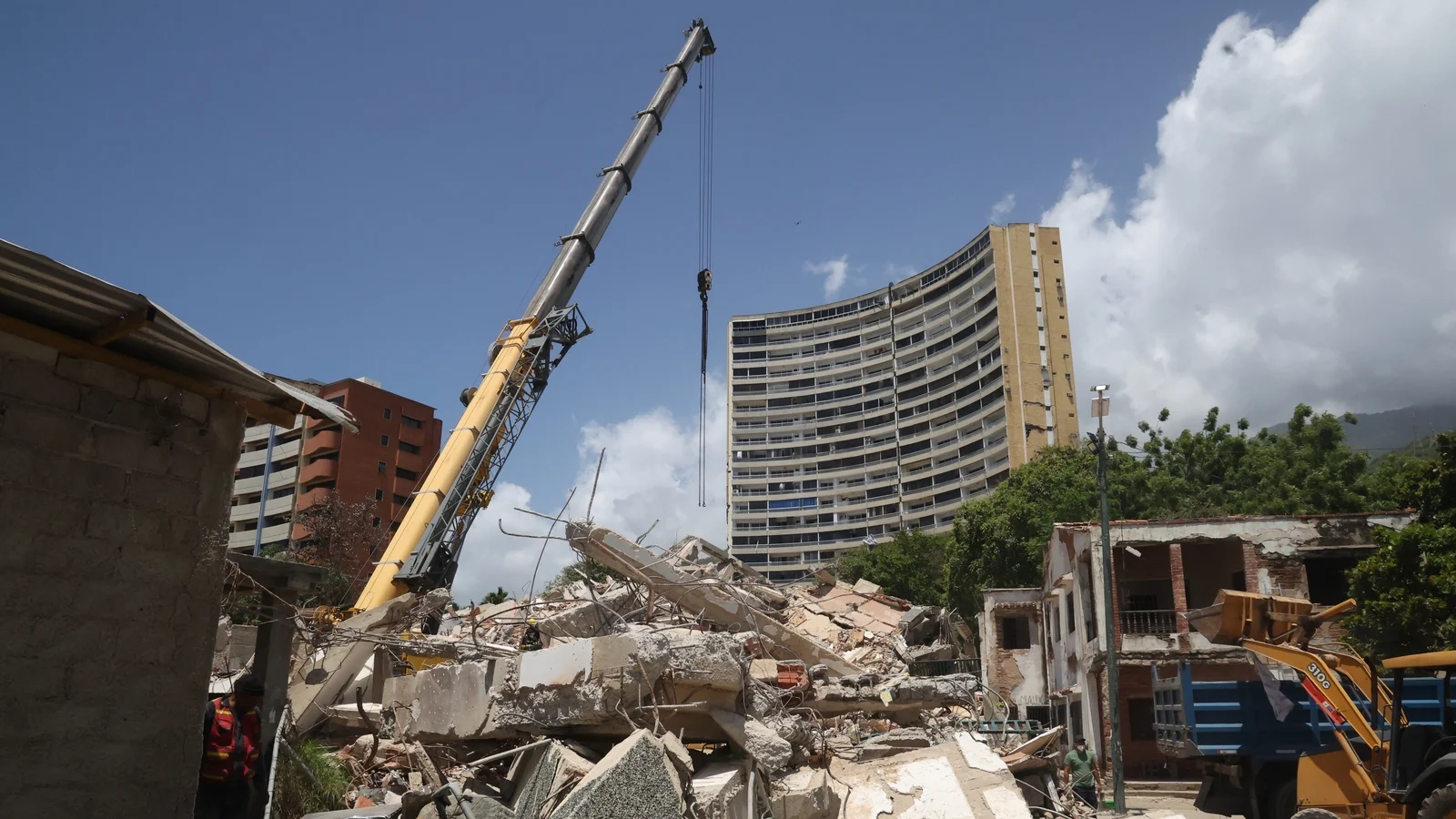
A full week later, rescue teams are still on the ground, working through collapsed buildings in search of anyone who might still be alive. Heavy machinery and trained crews keep clearing debris, hour after hour.
Officials admit that with every passing day, the odds get tougher. But that hasn’t stopped teams from pushing on despite exhausting, difficult conditions.
Locals have pitched in too, joining volunteers to help clear rubble and support neighbors who’ve lost everything.
Hunger Is Becoming the Next Crisis
Food is quickly turning into one of the biggest problems here. Grocery stores, markets, and supply routes took heavy damage in the quake, and now getting food to families is a real struggle in a lot of areas.
Many communities are leaning on emergency food distributions run by aid groups, but supplies are running thin in some of the worst-hit places.
Kids, elderly residents, and people with existing health conditions are bearing the brunt of it they’re the ones who need help most urgently.
Thousands Still Without a Roof Over Their Heads
Countless homes were flattened or badly damaged. As a result, thousands of people are now sleeping in temporary shelters, schools, or out in the open.
Aid groups are handing out tents, blankets, and other essentials, but families are still living in limbo, unsure of when or if they’ll get somewhere permanent to live.
Officials warn that rebuilding will take months, and probably a lot of help from both inside and outside the country.
Hospitals Stretched Thin
Since the quake hit, hospitals and clinics have been treating a steady stream of injured survivors. Medical staff are doing what they can, even as some areas run short on basic equipment and supplies.
Doctors are also keeping a close eye on public health risks dehydration, infections, and the kinds of illnesses that spread fast when people are crammed into temporary shelters.
Health experts keep repeating the same point: clean water and basic sanitation are non-negotiable if a bigger health crisis is going to be avoided.
Aid Is Getting Through Slowly
Both the national government and international aid groups have ramped up their relief work across the affected regions.
Food packages, drinking water, medicine, hygiene kits, and shelter materials are being delivered wherever possible but damaged roads and infrastructure keep slowing things down in a lot of places.
Aid organizations are already warning that more resources will be needed as the recovery drags on.
What Officials Have Said
Government officials have offered their condolences to affected families and promised ongoing support for rescue and recovery work.
Humanitarian groups, meanwhile, are calling for more international cooperation to make sure communities get everything they need.
Authorities are also urging people to stay alert and follow safety guidance, since aftershocks are still a real possibility.
The World Is Stepping In
Several countries and international organizations have already offered to help since the earthquake struck.
Emergency teams, funding, and medical supplies are being coordinated to support Venezuela’s response.
Global aid groups keep stressing that sustained international cooperation is going to be essential as recovery moves forward.
What Survivors Are Up Against
For survivors, the days since the earthquake have been rough by any measure. Many have lost their homes, their belongings, and even their income overnight.
Schools remain shut in some communities, and businesses are still trying to recover from serious damage.
On top of the physical losses, there’s the emotional weight too families searching for missing loved ones while somehow also trying to figure out how to rebuild their lives.
The Road to Recovery Is Long
Recovering from a disaster this big isn’t going to happen quickly it’s going to take real planning and real investment.
Rebuilding homes, fixing roads, restoring power, and getting public services back up and running is expected to take a considerable amount of time.
Experts believe long-term recovery will hinge on sustained humanitarian aid, government backing, and continued international support.
Bottom Line
A week after the disaster, the Venezuela earthquake crisis is still very much unfolding for thousands of people. Rescue teams are still working, and aid keeps coming in but hunger, displacement, and uncertainty remain daily realities for a lot of families.
The next few weeks are going to matter a great deal as recovery efforts scale up and authorities work to restore essential services. Continued support, both from within Venezuela and from the international community, will be key to helping affected communities get back on their feet after one of the country’s toughest natural disasters in recent memory.
Frequently Asked Questions
What kind of crisis is Venezuela currently facing?
Venezuela is dealing with a humanitarian crisis in the wake of a major earthquake. Communities across the country are grappling with damaged infrastructure, food shortages, limited clean water, and mass displacement. Rescue and recovery work is ongoing, but many families still need urgent help alongside longer-term support.
What triggered the crisis in Venezuela?
A powerful earthquake set off the current emergency, causing widespread destruction across several regions. Buildings collapsed, roads were torn up, and public services broke down. The quake made already tough conditions even harder, cutting off access to food, healthcare, and shelter for a lot of people.
Who’s helping Venezuelan refugees?
Support is coming from a mix of sources the Venezuelan government, local first responders, the United Nations, the International Red Cross and Red Crescent Movement, various humanitarian organizations, and several countries offering relief assistance. Together, they’re working to get food, medical care, temporary shelter, clean water, and other essentials to the people who need them most.