Pakistan’s media regulator has taken an unusual step in the Geo News suspension case asking the Council of Islamic Ideology (CII) for its input before moving forward. Given that Geo is one of the country’s biggest television networks, the move has understandably grabbed national attention, touching on media regulation, religious guidance, and broadcasting freedom all at once.
In short, PEMRA isn’t ready to make its next move without some expert religious opinion first. And however this plays out, it could end up shaping how regulators handle similar disputes involving TV broadcasters down the line.
How We Got Here
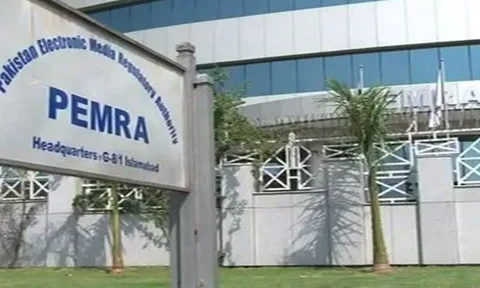
PEMRA has been the body overseeing Pakistan’s private TV channels, FM radio stations, and other electronic media for years now, operating under the PEMRA Ordinance 2002. Its job, broadly, is making sure broadcasters stick to the law, follow ethical standards, and play by the rules of the industry.
Warnings, fines, and temporary suspensions aren’t unusual for TV channels that step out of line. But when it’s a major news organization involved, the stakes and the public interest tend to be a lot higher, simply because of the impact on journalism and public discourse.
This latest chapter with Geo News has put PEMRA back in the spotlight. Rather than ruling right away, the authority has reportedly turned to the Council of Islamic Ideology for guidance on the religious dimensions of the case.
Why Bring in the Council of Islamic Ideology?
From what’s been reported, PEMRA feels some of the issues at play here go beyond straightforward legal or administrative interpretation they touch on questions that call for religious expertise. So instead of settling the matter purely on legal grounds, the regulator has opted to hear from the CII first.
It’s worth noting this doesn’t mean the Council’s opinion will automatically decide the outcome. It’s more of an added input that could shape whatever PEMRA does next.
Media watchers point out that pulling in another constitutional body isn’t something that happens in every broadcasting dispute which is exactly why this case has caught the eye of journalists, lawyers, and civil society groups alike.
What’s Actually Happening in the Case
At the heart of it is the Geo News suspension and the regulatory process around it. The details of the original complaint have already been covered elsewhere, but what’s new here is PEMRA’s decision to pause and get outside input before taking any further action.
There’s no official word yet on when the Council’s opinion will be ready, so for now it’s a waiting game — nobody knows if the suspension will stand, get eased, or be reconsidered entirely.
Some observers think this consultation could end up doing more than just resolve this one case — it might set a clearer template for how PEMRA handles disputes where legal and religious questions overlap in the future.
What PEMRA Actually Regulates
PEMRA’s remit covers TV channels, FM radio stations, cable operators, and a range of other electronic broadcasting services across Pakistan. Its core responsibilities include:
- Issuing broadcasting licences
- Monitoring TV and radio content
- Investigating public complaints
- Taking action against rule-breaking broadcasters
- Enforcing the PEMRA Act and PEMRA Ordinance 2002
If you want to dig into the details yourself, the PEMRA website is where official notifications, licensing info, and regulatory updates get posted.
The Legal Backbone: PEMRA Act and Ordinance
The PEMRA Act, alongside the PEMRA Ordinance 2002, is what gives the regulator its legal teeth. Together they spell out licensing procedures, penalties, broadcasting standards, and what’s expected of TV and radio operators.
They also lay out how investigations should run when a broadcaster is accused of breaking the rules with penalties that can range from a simple warning to a full licence suspension, depending on how serious things get.
Legal experts generally agree that whatever decision comes out of a case like this needs to hold up against constitutional protections as much as it does against the letter of the law.
How People Are Reacting
Reactions so far have been mixed. Some see PEMRA’s move to consult the CII as a sign of caution a way to make sure the eventual decision is more considered and balanced. Others aren’t as convinced, arguing regulatory disputes should just be settled under existing law without extra delays.
Whichever side people land on, most agree on one thing: transparency and due process matter here. And right now, this is easily one of the most closely watched media stories in Pakistan.
What Officials Have Said
So far, officials have confirmed only that the CII has been asked for guidance nothing more concrete on timing. The PEMRA chairman hasn’t made any public statement about where things stand with Geo News going forward. Everyone’s waiting on the Council’s response before there’s more to report.
How to File a Complaint With PEMRA
If you think a TV programme or radio broadcast has crossed a line, you can file a PEMRA complaint through official channels. There’s also a PEMRA online complaint system, which lets people submit issues electronically instead of showing up in person a lot more convenient for most.
If you’re job hunting, PEMRA jobs get posted through official announcements whenever openings come up. And for anyone curious about the authority’s governance structure, the PEMRA members list is published whenever there’s a change in appointments or the board.
Beyond Pakistan’s Borders
Even though this is a domestic matter, media analysts across South Asia are keeping tabs on it too. Cases involving big broadcasters like this tend to feed into broader conversations about editorial independence and how regulators relate to news organizations more generally.
International press freedom watchdogs are also likely watching closely, since cases like this can shape perceptions of how transparent or not a country’s media regulation really is.
What Comes Next
Really, it all comes down to when the Council of Islamic Ideology wraps up its review and hands its recommendations back to PEMRA.
Once that happens, PEMRA is expected to weigh the legal, administrative, and constitutional angles before landing on a final call. Until then, broadcasters, journalists, and the public are all just watching and waiting.
If nothing else, this case is a good snapshot of how tricky it can be to balance media regulation, legal process, and institutional consultation in Pakistan right now.
Bottom Line
PEMRA turning to the Council of Islamic Ideology isn’t a final ruling it’s a procedural step. It signals that the regulator wants to weigh both legal and religious perspectives before making a call that could have real staying power for Pakistan’s media sector.
For now, everyone’s watching and waiting. Whatever comes out of this could well set the tone for how similar cases get handled going forward.
Frequently Asked Questions
Who is the current chairman of PEMRA Pakistan?
The PEMRA chairman is appointed by the Government of Pakistan under the relevant legal framework. Since these appointments can change, the best source for up-to-date information is official government notifications or the PEMRA website itself.
What exactly does PEMRA do?
PEMRA oversees Pakistan’s electronic media by licensing TV channels, FM radio stations, cable operators, and other broadcasters. It monitors content, enforces standards, handles complaints, and ensures everyone’s playing by the rules laid out in the PEMRA Act and Ordinance 2002. It also manages licensing, public complaints, and enforcement.
Is IPTV illegal in Pakistan?
Not automatically, no. Whether it’s legal comes down to whether the service is operating within the country’s regulatory framework. Licensed IPTV providers can run legally, but unauthorized services distributing copyrighted or unlicensed content can run into legal trouble. Best bet is always sticking with providers operating within the law.