

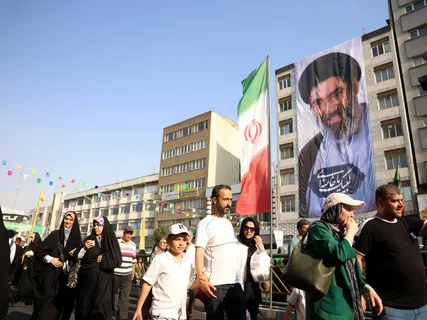

The US-Iran conflict 2026 has become one of the most significant geopolitical crises of the year, drawing global attention and raising fears of a wider regional war. Recent military actions, diplomatic confrontations, and escalating rhetoric have intensified tensions across the Middle East.
As Israel attacks Iran today and Washington signals continued support for its regional ally, governments around the world are evaluating the potential consequences for energy markets, security alliances, and international diplomacy. The crisis has already affected regional stability and could reshape Middle Eastern politics for years to come.
Background: Understanding the Iran-Israel Conflict History
To understand the current crisis, it is important to examine the Israel and Iran conflict history. Although the two countries were not always adversaries, relations deteriorated dramatically after Iran’s 1979 Islamic Revolution.
Over the decades, Iran and Israel developed opposing regional strategies. Israel has consistently expressed concerns about Iran’s missile capabilities, regional influence, and nuclear ambitions. Iran, meanwhile, has criticized Israeli policies in the Palestinian territories and expanded its network of regional allies across the Middle East.
The rivalry remained largely indirect for many years. Instead of direct military confrontation, both sides often competed through proxy groups, intelligence operations, cyber activities, and regional influence campaigns.
However, recent years have seen a significant shift. Direct exchanges, targeted strikes, and increasingly public threats have transformed the rivalry into a more visible and dangerous confrontation.
What Is the Reason for Iran and Israel War?
Many observers continue to ask: What is the reason for Iran and Israel war?
The answer involves several interconnected factors rather than a single event. Security concerns remain at the center of the dispute. Israel views Iran’s military capabilities and regional partnerships as strategic threats. Iranian officials, meanwhile, argue that foreign military pressure and regional alliances threaten Iran’s sovereignty and security interests.
Another major issue involves Iran’s nuclear program. Western governments and Israel have repeatedly expressed concerns about Tehran’s nuclear activities, while Iranian authorities insist that their program is intended for peaceful purposes.
Regional influence also plays a major role. Both countries seek to shape political and security developments across the Middle East, leading to competition in several neighboring states.
These long-standing disagreements have created an environment in which even isolated incidents can quickly trigger broader confrontations.
Details: How the Current Crisis Escalated
The latest phase of the conflict began after a series of military exchanges heightened tensions between regional actors. As reports emerged that Israel attacks Iran today, international attention shifted toward the possibility of a wider conflict involving multiple countries.
Military analysts note that recent operations have targeted strategic infrastructure, military facilities, and security installations. Each side has accused the other of provoking escalation while claiming defensive motives for its actions.
The situation became even more serious when discussions about possible American involvement intensified. Reports concerning US attacks Iran today generated widespread concern among governments, investors, and international organizations.
Washington has maintained that its actions are intended to protect regional security and deter further escalation. Iranian officials, however, have strongly criticized foreign military involvement and warned against additional intervention.
As a result, the US-Iran conflict explained today involves not only bilateral tensions but also broader questions about regional alliances, military deterrence, and international security.
Diplomatic Reactions and Official Statements
Governments around the world have responded cautiously to the growing crisis. European nations have generally emphasized restraint and called for renewed diplomatic engagement.
Several regional governments have expressed concern about the possibility of a prolonged conflict disrupting trade routes, energy supplies, and economic stability.
American officials continue to stress the importance of protecting allies and maintaining regional security. Iranian leaders have reiterated their position that national sovereignty and territorial integrity must be respected.
International organizations have also urged all parties to avoid actions that could further increase tensions. Diplomatic channels remain active, although significant differences continue to separate the major stakeholders.
Economic Consequences of the Crisis
One of the most immediate consequences of the conflict has been uncertainty in global energy markets.
The Middle East remains a critical region for international oil production and transportation. Any disruption involving major shipping routes can affect fuel prices worldwide.
Financial markets have also reacted to developments. Investors closely monitor military activity because prolonged instability often increases economic uncertainty.
Countries heavily dependent on imported energy are particularly concerned about potential supply disruptions. Governments across Asia, Europe, and Africa continue to assess the possible economic impact of a prolonged confrontation.
Regional Security Concerns
The conflict has generated serious concerns throughout the Middle East.
Neighboring countries face difficult challenges as they attempt to balance diplomatic relationships while avoiding direct involvement. Security agencies across the region have increased monitoring efforts amid fears of further escalation.
Military analysts warn that additional confrontations could create new humanitarian, economic, and political challenges. Regional governments are therefore encouraging dialogue while preparing for potential security risks.
The situation also highlights broader questions regarding defense cooperation, regional alliances, and future security arrangements in the Middle East.
Global Powers Respond
Major international powers have adopted different approaches to the crisis.
Some governments advocate immediate diplomatic negotiations, while others emphasize deterrence and security commitments. These differing perspectives reflect broader geopolitical interests and strategic priorities.
China, Russia, European nations, and several regional actors continue to engage in diplomatic discussions aimed at preventing further escalation. Despite these efforts, substantial disagreements remain regarding the best path forward.
The international community generally agrees on one point: a wider regional war would have significant consequences far beyond the Middle East.
Impact on International Relations
The ongoing crisis is influencing diplomatic calculations across multiple regions.
Countries are reassessing security partnerships, military cooperation agreements, and economic strategies. The conflict has also revived debates regarding international law, military intervention, and conflict prevention.
Many governments view the current situation as a critical test of international diplomacy. The coming months could influence regional power balances and shape future approaches to security cooperation.
As a result, the US-Iran conflict update remains one of the most closely monitored geopolitical developments in the world.
Iran Israel War: When Will It End?
A question increasingly asked by policymakers and the public alike is: Iran Israel war when will it end?
At present, no definitive answer exists. Much depends on diplomatic efforts, military calculations, and political decisions made by key actors involved in the crisis.
History suggests that long-standing geopolitical disputes rarely disappear quickly. However, sustained diplomatic engagement can reduce tensions and create opportunities for negotiation.
The coming weeks will likely determine whether the conflict moves toward de-escalation or enters an even more dangerous phase.
Conclusion
The US-Iran conflict 2026 represents a pivotal moment for Middle Eastern and global security. As military tensions rise and diplomatic efforts continue, governments worldwide are closely monitoring developments.
The current crisis reflects decades of rivalry, competing security interests, and unresolved political disputes. Whether leaders choose escalation or diplomacy will shape the future of regional stability.
For now, the world remains focused on the rapidly evolving situation as policymakers attempt to prevent a broader conflict with far-reaching international consequences.
FAQs
What is the international response to the Iran war?
The international response has been mixed but generally focused on preventing further escalation. European countries have called for diplomacy and restraint, while several regional governments have expressed concern about security risks and economic consequences. International organizations continue to encourage dialogue and peaceful conflict resolution to avoid a wider regional war.
What is Saudi Arabia saying about the Iran conflict?
Saudi Arabia has emphasized the importance of regional stability and the protection of civilian populations. Saudi officials have repeatedly called for diplomatic solutions and have expressed concern about any developments that could threaten Gulf security, international trade routes, or energy markets. The kingdom continues to monitor the situation closely while supporting efforts aimed at reducing tensions.
What has China said about the US attack on Iran?
China has generally advocated restraint, dialogue, and respect for international law. Chinese officials have urged all parties to avoid actions that could intensify the conflict and have emphasized the need for diplomatic engagement. Beijing has consistently argued that regional disputes should be resolved through negotiation rather than military escalation, warning that broader instability could affect global economic and security interests.