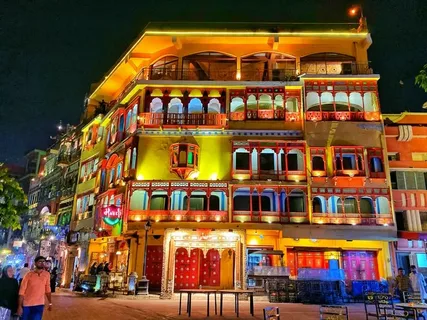
Lahore Food Street, nestled in the heart of the Walled City, is far more than a place to eat. It is a living museum of flavours, architecture, and memory that stretches back to the Mughal era. Every evening, as the lights flicker on along Fort Road and the aroma of seekh kebabs fills the air, thousands of visitors rediscover why Lahore has always been Pakistan’s undisputed food capital.
Background: How Lahore’s Food Streets Took Shape
Lahore’s identity as a culinary city did not appear overnight. It grew slowly across centuries, shaped by migration, trade, and cultural exchange. The Food Street Old Lahore tradition has deep roots in the pre-Partition era, when skilled cooks, pehelwans, Kashmiri migrants, and Amritsari families all brought their recipes to the city’s ancient neighbourhoods.
The oldest of these gathering points was Gawalmandi Food Street, which dates back to before 1947. After Partition, families arriving from Indian Punjab and Kashmir brought with them generational recipes that gradually became the culinary soul of Lahore. Dishes like hareesa, doodh-jalebi, and fried fish became iconic staples tied to the streets of Gawalmandi.
Over time, however, the city needed a grander, more organised food destination. This need gave birth to the Fort Road Food Street Lahore, now considered the crown jewel of the Food Street Walled City Lahore.
Fort Road Food Street Lahore: Origins and Development
The Fort Road Food Street Lahore sits between Fort Road and the Hazoori Bagh Gateway near the famous Roshnai Gate of the Walled City. The street was officially reconstructed and opened to the public on 21 January 2012, inaugurated by Hamza Shahbaz Sharif. It was designed to replace the older Gawalmandi Food Street and to offer a more structured, tourist-friendly experience rooted in authentic Lahori cuisine.
In 2013, the Walled City Lahore Authority (WCLA) took charge of the food street from the district government. In partnership with the private sector, WCLA gave the street a major facelift, restoring centuries-old havelis, upgrading infrastructure, and turning it into the heritage dining experience visitors enjoy today.
The buildings that line the Food Street Walled City Lahore were constructed during the Mughal Empire and the British colonial period. Beautifully restored, many of these havelis now house restaurants that offer rooftop dining with panoramic views of the Badshahi Mosque, Lahore Fort, Minar-e-Pakistan, and the tomb of Allama Iqbal. One of the most celebrated of these is Haveli Restaurant, based inside Haveli Khalil Khan, a 200-year-old mansion restored between 2005 and 2006.
Lahore Fort Food Street: Location and How to Get There
The Lahore Fort Food Street is conveniently located for both local visitors and international tourists. Its precise address is:
Fort Rd, next to the Taj Mahal Sweet Shop, Shahi Mohallah, Walled City of Lahore, Lahore, Punjab, Pakistan.
The street runs alongside Lahore Fort, one of the UNESCO World Heritage Sites, making it one of the most historically rich dining locations on the planet. Nearby landmarks include the Badshahi Mosque, Roshnai Gate, Wazir Khan Mosque, Shahi Hammam, and Minar-e-Pakistan. All of these can be explored before or after a meal, making the area a full-day cultural experience.
For those arriving from the city centre, the Lahore Fort Food Street location is accessible by rickshaw, car, or ride-hailing services. The Walled City of Lahore area is also served by walking tour guides provided by the Walled City Lahore Authority.
Lahore Fort Food Street Timings
The Lahore Fort Food Street timings accommodate both lunch and dinner visitors. The food street is open seven days a week, welcoming guests throughout the day. Most restaurants begin lunch service from 12:00 PM onwards. However, the most popular window to visit is dinner, typically from 7:00 PM to 11:30 PM, when the street transforms under warm lights and the historic backdrop of the Badshahi Mosque glows magnificently.
Evening visits are especially magical. Many restaurants along the Fort Road Food Street Lahore menu offer live Qawwali performances and cultural evenings, adding to the immersive atmosphere. Families, couples, and tourists all gather here, often combining dinner with a heritage walk through the old city.
Fort Road Food Street Lahore Menu: What to Eat
The Fort Road Food Street Lahore menu is a celebration of traditional Lahori cooking passed down across generations. Whether you are a first-time visitor or a Lahore regular, the following dishes are absolute must-tries:
Nihari — A slow-cooked beef stew simmered overnight in deep spices, traditionally a breakfast dish but enjoyed at all hours.
Hareesa — A thick, comforting dish of slow-cooked wheat and mutton, brought to Lahore by Kashmiri migrants and now a signature of Food Street Old Lahore.
Seekh Kebabs — Minced spiced meat grilled over open coals, served with hot naan and chutney straight from the fire.
Paye — Goat trotters in a rich, aromatic gravy, a beloved dish of the old city’s culinary tradition.
Doodh Jalebi — Crispy jalebis served in warm, thick milk, a dessert that has been inseparable from Lahore’s food culture for generations.
Fried Fish — Batter-coated river fish deep-fried to perfection, a dish made famous in Gawalmandi and now available across the Lahore Food Street circuit.
Haleem — A slow-cooked blend of wheat, lentils, and meat, rich in flavour and deeply satisfying.
Naan Khatai — A classic Pakistani shortbread biscuit, a traditional sweet that has been sold in Lahore’s old bazaars for well over a century.
Beyond these, restaurants on the Fort Road Food Street Lahore menu also serve karahi, tawa chicken, biryani, and a range of chaat and street snacks for lighter appetites.
Famous Food Street in Lahore: A Broader Picture
While the Fort Road Food Street holds the title of Lahore’s most iconic modern food destination, several other famous food streets in Lahore complete the city’s culinary map:
Gawalmandi Food Street remains the oldest and most historically rooted, operating since before Partition with recipes that have been preserved across generations.
Lakshmi Chowk Food Street is famous for its karahi, barbecue, and crispy gol gappay served with yogurt and tangy water. It draws food lovers from across the country.
Old Anarkali Food Street traces its roots to the Mughal era, taking its name from the legend of Anarkali during Emperor Akbar’s reign. It is one of the most atmospheric Food Street Old Lahore experiences available today.
MM Alam Road represents a more modern face of Lahore’s food culture. Located in the upscale Gulberg neighbourhood, it houses international and fusion restaurants alongside high-end Pakistani eateries.
Each of these destinations tells a different part of Lahore’s culinary story. But it is the Lahore Fort Food Street that most powerfully combines heritage architecture, historical views, and traditional cuisine into a single, unforgettable experience.
Quotes: Voices from Lahore’s Food Culture
A local historian and food writer, speaking about Lahore’s culinary legacy, has noted that food in this city is inseparable from identity: “The recipes carried here by migrants from across Punjab and Kashmir did not just feed people they became Lahore itself.”
The Walled City Lahore Authority, in its documentation of the food street’s restoration, has stated that the project was intended to preserve not just buildings but the living culinary traditions that define Lahore’s cultural heritage for future generations.
Impact: Tourism, Economy, and Cultural Preservation
The development of Lahore Food Street in the Walled City has had a significant regional and national impact. Tourism to Lahore has grown steadily since the food street’s opening in 2012, with visitors from across Pakistan and internationally making it a top priority on their itineraries.
The WCLA’s management of the street has created hundreds of jobs in the local economy, from restaurant staff and vendors to tour guides and craftspeople who maintain the restored havelis. The food street has also helped bring attention to the broader Walled City of Lahore, encouraging investment in the preservation of other historic sites such as Wazir Khan Mosque and Shahi Hammam.
Culturally, the Food Street Walled City Lahore has served as a platform for Qawwali music, folk performances, and heritage education, especially for younger Pakistanis who might otherwise feel disconnected from the Mughal-era history that surrounds them.
Conclusion: The Future of Lahore’s Food Streets
The Lahore Food Street continues to grow in reputation, drawing more visitors each year. Plans for further restoration of the Walled City, combined with Pakistan’s growing domestic tourism sector, suggest that Fort Road and the surrounding heritage zone will only become more prominent in years to come.
For anyone travelling through Pakistan, a visit to the Fort Road Food Street Lahore is not optional it is essential. It is the one place where history, architecture, and flavour converge on a single street, under the glow of the Badshahi Mosque, exactly as Lahore has always lived: loudly, warmly, and deliciously.
Frequently Asked Questions (FAQs)
What is the history of Gawalmandi?
Gawalmandi is considered the oldest food street in Lahore, with roots going back to the pre-Partition era. It was one of the first settlements to develop outside the Walled City. After 1947, migrants from Amritsar, Kashmir, and other parts of Indian Punjab settled there and brought their traditional recipes with them. Over generations, these dishes including hareesa, fried fish, doodh-jalebi, and nankhatai became the cultural identity of the neighbourhood. Today, Gawalmandi is celebrated not only as a food destination but as a living document of Lahore’s social and culinary history.
What is the most famous food of Lahore?
Lahore is famous for a wide range of traditional dishes, but some stand out above all others. Nihari, a slow-cooked spiced beef stew, is widely considered the signature dish of Old Lahore. Hareesa, seekh kebabs, paye, and karahi are equally celebrated. Doodh jalebi and nankhatai are the most beloved sweets. Fried fish, particularly during winter, is a Lahori tradition that draws crowds to the old food streets every year. Together, these dishes represent the rich, Mughal-influenced culinary tradition that has made Lahore Pakistan’s food capital.
What is MM Alam Road famous for?
MM Alam Road, located in the Gulberg area of Lahore, is famous as the city’s premier modern food street. Unlike the traditional food streets of Old Lahore, MM Alam Road is home to upscale and international restaurants offering Pakistani, Thai, Chinese, Continental, Mediterranean, and fusion cuisines. Well-known establishments such as Café Aylanto, Café Zouk, Spice Bazaar, and Tuscany Courtyard are located here. It is considered the go-to destination for urban Lahoris and visitors who prefer a contemporary dining environment alongside the classic food culture the city is known for.