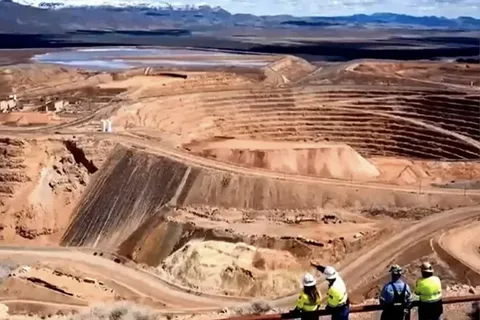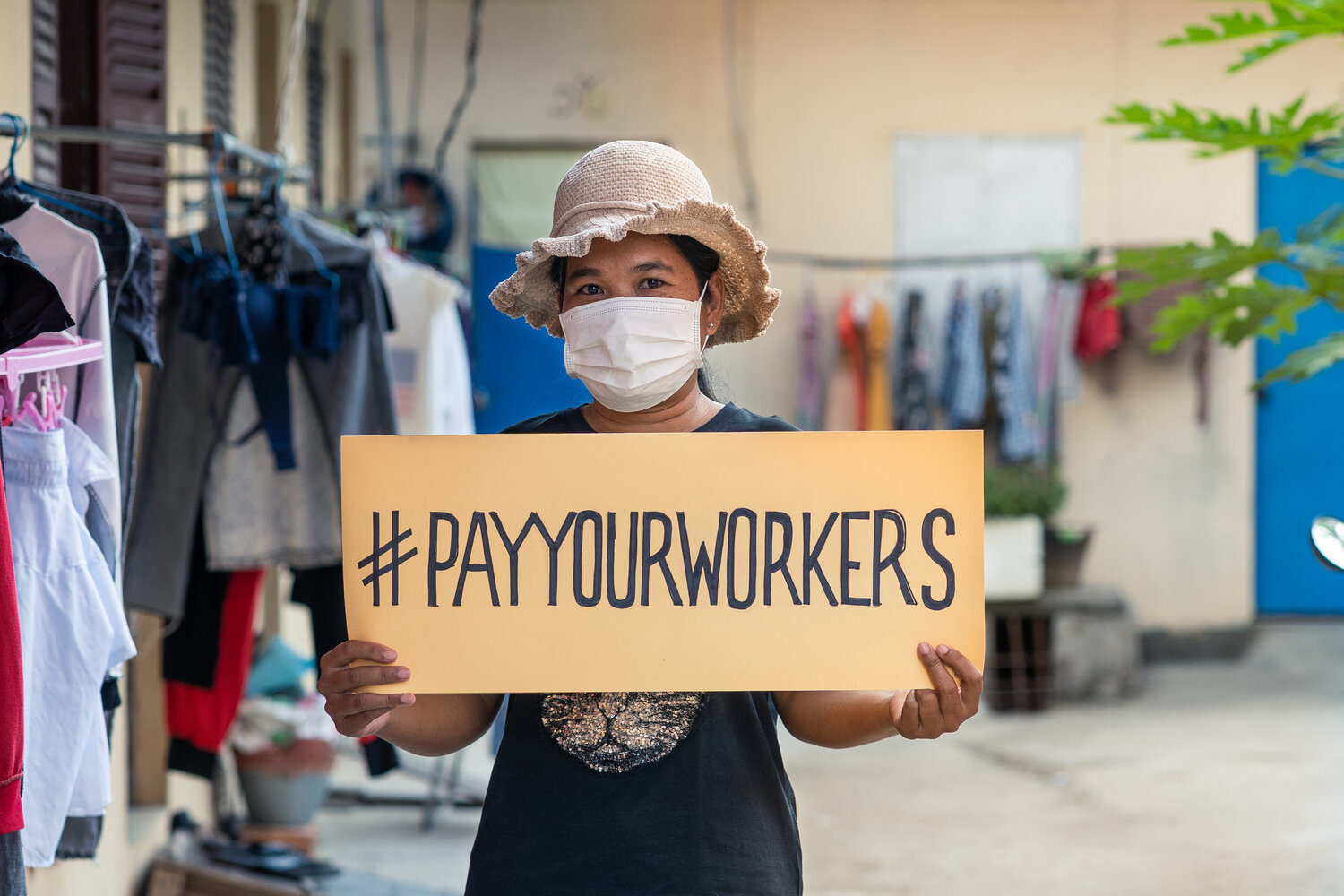
Labour exploitation refers to the practice of treating workers unfairly extracting their labour without providing adequate compensation, safe conditions, or legal protections. It is not a new problem. For centuries, powerful entities have taken advantage of vulnerable workers, particularly those with limited education, legal status, or economic options.
According to the International Labour Organization (ILO), over 160 million children are still engaged in child labour globally. Forced labour affects an estimated 28 million people. These are not isolated cases they represent a systematic failure to protect the most basic rights of working people.
The exploitation of labour in economics is often linked to power imbalances. When workers have no bargaining power and employers face no accountability, the conditions for abuse are set. Understanding this dynamic is the first step toward change.
What Are the Main Causes of Labour Exploitation?
The causes of labour exploitation are deeply rooted in social, economic, and political structures. Poverty is the most immediate driver. Workers who are desperate for income are far less likely to resist unfair treatment or demand their rights.
Weak legal frameworks also play a central role. In many countries, labour laws exist on paper but are rarely enforced. Employers who violate these laws face little to no consequence, which encourages continued abuse. Corruption within regulatory bodies makes this problem worse.
Migration and displacement create additional vulnerability. Migrant workers particularly undocumented ones are among the most exploited groups in the world. They often lack legal protections and fear deportation, which makes them reluctant to report abuse. Discrimination based on gender, ethnicity, and caste further deepens their exposure to exploitation of labour.Forms of Labour Exploitation: From Subtle to Severe
The forms of labour exploitation exist on a wide spectrum. At the most severe end is forced labour, where individuals are coerced to work under threat of violence or punishment. Human trafficking for labour purposes falls into this category and is a serious global crime.
Debt bondage is another common form, particularly in agriculture and domestic work. Workers are told they owe money for transportation, housing, or food and their wages are withheld until this “debt” is paid off. In practice, the debt never disappears.
Child labour is one of the most widely recognized forms of labour exploitation. Children are made to work in hazardous conditions, missing out on education and suffering long-term physical and psychological harm. This form is especially prevalent in mining, garment manufacturing, and agriculture.
Wage theft where employers withhold earned pay or pay below the legal minimum is a subtler but widespread form of exploitation. So is excessive overtime without compensation, denial of rest days, and unsafe working environments. These are everyday realities for millions of low-income workers across the globe.
Labour Exploitation in Globalization: The Hidden Cost of Cheap Goods
Labor exploitation in globalization is not accidental it is, in many cases, a deliberate feature of global supply chains. When multinational corporations outsource production to countries with lower wages and weaker regulations, they often benefit from exploitative conditions without direct legal liability.
The fast fashion industry is a clear example. Consumers in wealthy countries enjoy cheap clothing, while garment workers in Bangladesh, Cambodia, or Ethiopia work for poverty wages in unsafe factories. The collapse of the Rana Plaza building in Bangladesh in 2013 which killed over 1,100 workers exposed the deadly consequences of this system.
Globalization has created enormous wealth, but that wealth has not been distributed fairly. Labour exploitation in globalization means that the people doing the hardest, most dangerous work often receive the smallest share of the profits they help generate. This economic injustice is both a moral failure and a development challenge.
Labour Exploitation Cases: Real People, Real Harm
There is no shortage of documented labour exploitation cases around the world. In Qatar, migrant workers building infrastructure for the 2022 FIFA World Cup were subjected to the kafala system a sponsorship arrangement that tied their legal status to their employer and stripped them of basic freedoms. Thousands of workers died under these conditions.
In India’s brick kiln industry, workers including children are kept in debt bondage, forced to work under the sun for minimal pay. In the United States, domestic workers and farmworkers are often excluded from standard labour protections and face exploitation without legal recourse.
In Pakistan, as Dawn has reported, millions of workers in the informal sector operate outside the protection of labour law. With only 2-3% of the workforce unionised, most workers have no collective voice. Many do not even know their legal rights and some employers exploit that ignorance deliberately.
These labour exploitation cases are not rare exceptions. They are the norm for hundreds of millions of people who have no other option.
Expert Voices: What Advocates Are Saying
Human rights organizations and labour economists have long called for stronger international standards. The ILO’s Forced Labour Convention and the UN’s Sustainable Development Goals both include specific commitments to end labour exploitation yet implementation remains weak.
“Exploitation thrives in silence,” said one labour rights advocate. “When workers cannot organize, cannot speak out, and cannot access justice, abusers face no consequences.”
Economists who study the exploitation of labour in economics argue that exploitative conditions are not only a human rights issue they are also economically damaging. When workers are underpaid, they have less spending power, which constrains broader economic growth. Fair wages and decent working conditions benefit entire economies, not just individual workers.
Impact: Who Suffers Most?
The impact of labour exploitation is felt most acutely by women, children, migrants, and people living in poverty. Women make up a disproportionate share of unpaid and underpaid workers worldwide. They are also more vulnerable to sexual harassment and abuse in the workplace.
Children who are pulled into labour miss their education. This traps them and their future children in cycles of poverty and vulnerability to exploitation. The long-term developmental cost is enormous.
On a global level, labour exploitation undermines social trust, increases inequality, and fuels political instability. Societies where workers are routinely abused are societies that cannot develop sustainably. The cost of ignoring this crisis keeps growing.
What Would It Take to End Labour Exploitation?
To end labour exploitation, governments must move from symbolic commitments to real accountability. Labour laws must be enforced, not just written. Inspectors must have the resources to monitor workplaces. Employers who violate the law must face meaningful penalties.
International supply chain transparency laws like the German Supply Chain Act or the proposed EU Corporate Sustainability Due Diligence Directive are steps in the right direction. These laws require companies to ensure their suppliers respect human rights. More countries need to adopt similar frameworks.
Workers themselves must be empowered. Strong trade unions and collective bargaining rights are among the most effective tools against exploitation. Countries that respect the right to organize tend to have lower levels of worker abuse.
Civil society organizations, journalists, and ordinary consumers also have a role. By demanding accountability from companies, supporting ethical businesses, and raising awareness, individuals can contribute to a world where labour exploitation is genuinely rare not merely illegal on paper.
Conclusion: The Urgency of Now
Labour exploitation is not inevitable. It is a choice made by powerful actors who benefit from it and it can be reversed by political will, legal enforcement, and international cooperation.
Every year on May Day, the world marks the struggle of workers for dignity and fairness. But statements alone are not enough. Real progress requires governments that enforce the law, corporations that accept accountability, and a public that refuses to look away from the human cost hidden in cheap goods and invisible labor.
The fight to end labour exploitation is, at its core, a fight for human dignity. And that is a fight worth having every single day not just once a year.
FAQs
What is meant by labour exploitation?
Labour exploitation refers to treating workers unfairly by denying them adequate wages, safe conditions, or legal rights. It includes practices such as forced labour, wage theft, excessive overtime without pay, and child labour. Essentially, it means using people’s work for profit while disregarding their basic human rights and well-being.
What is the meaning of labour?
Labour refers to the work done by people physical or mental in exchange for wages or other compensation. In economics, labour is one of the four main factors of production alongside land, capital, and enterprise. It includes all forms of human effort directed toward producing goods and services.
What are the 4 types of labor?
The four main types of labor are: (1) Unskilled labour work that requires no special training, such as basic manual tasks; (2) Semi-skilled labour work requiring some training but not advanced qualifications, such as machine operation; (3) Skilled labour work requiring specialized training or expertise, such as carpentry or nursing; and (4) Professional labour highly educated work such as medicine, law, or engineering. Each type is subject to different levels of vulnerability to exploitation, with unskilled workers generally being the most at risk.
Labour Exploitation