The US-Israel attacks on Iran death toll has crossed 1,700 confirmed fatalities across all parties to the conflict as the war enters its third week — making it the deadliest direct military confrontation in the Middle East since the 2003 Iraq War.
US-Israel attacks on Iran death toll figures include Iranian military and civilian casualties, American service members killed in Iran retaliation strikes, Israeli civilians and soldiers killed in Iranian missile attacks, and Gulf nation casualties from Iranian drone and missile campaigns.
Iran war casualties 2026 continue to rise daily as US and Israeli strikes on Iranian territory intensify alongside Iranian retaliatory attacks on US military bases, Gulf infrastructure, and Israeli cities. This live tracker consolidates casualties in Iran attack operations across all fronts and all parties into a single authoritative reference updated with the latest available figures.
According to US CENTCOM, coalition forces have struck over 3,000 targets inside Iran since hostilities began on February 28, 2026.
Background: US-Israel Attacks on Iran Death Toll — How the War Began
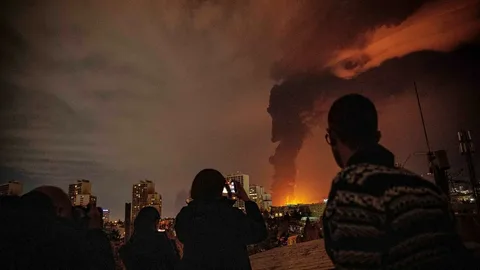
The US-Israel attacks on Iran death toll began accumulating from the first hours of February 28, 2026 — when a coordinated US-Israeli strike campaign targeting Iranian nuclear facilities, IRGC military infrastructure, and regime leadership commenced without advance public warning.
The opening strikes killed Supreme Leader Ali Khamenei and multiple senior IRGC commanders in the first 24 hours — immediately escalating the conflict beyond what many analysts had anticipated as a limited strike operation. Iran’s response was immediate and multi-directional — launching ballistic missiles and drones against US military bases across the Gulf, Israeli cities, and Gulf Cooperation Council member states simultaneously.
Iran war casualties 2026 therefore span multiple countries and multiple categories — Iranian military and civilian deaths from US-Israeli strikes, American service member deaths from Iranian retaliation, Israeli civilian and military deaths from Iranian missile attacks, and Gulf nation civilian and military casualties from Iranian drone and missile campaigns targeting GCC states that host US military installations.
Casualties in Iran attack operations have been difficult to independently verify given the active conflict environment, information restrictions imposed by all parties, and the unprecedented scale and geographic spread of the military operations involved. The figures in this tracker represent the best available estimates from US CENTCOM, Israeli Defence Forces, UN agencies, and credible international media organisations.
US-Israel Attacks on Iran Death Toll — Full Breakdown
Iran Death Toll from US-Israel Strikes
The US-Israel attacks on Iran death toll inside Iranian territory represents the largest single category of Iran war casualties 2026.
Iranian state media has confirmed over 1,332 killed inside Iran from US-Israeli strikes — a figure that Western intelligence estimates suggest significantly undercounts actual casualties in Iran attack operations given Iran’s information restrictions and the scale of strikes on military and nuclear facilities in remote areas.
Western military analysts estimate actual casualties in Iran attack operations inside Iranian territory at approximately 2,400 or above — accounting for IRGC personnel killed at struck military facilities, nuclear programme scientists and technicians, and civilian casualties in areas adjacent to targeted installations.
Key Iranian casualties in US-Israel attacks on Iran include Supreme Leader Ali Khamenei — killed on day one. Multiple IRGC commanders. Senior nuclear scientists. Hundreds of IRGC soldiers at struck military bases across the country.
Iran war casualties 2026 on the Iranian side also include significant infrastructure destruction — though infrastructure losses are counted separately from the human death toll in this tracker.
Iran War Casualties 2026 — Country by Country
American Casualties — US-Israel Attacks on Iran Death Toll
American service member casualties represent the most politically sensitive dimension of the US-Israel attacks on Iran death toll for domestic US politics.
8 US service members have been confirmed killed in Iranian retaliation strikes on US military bases across the Gulf region. 9 or more US service members have been seriously injured in Iran retaliation operations. The 4 soldiers from the 103rd Sustainment Command in Des Moines, Iowa were among the first American casualties confirmed.
Iran war casualties 2026 among US personnel have occurred primarily at Al Udeid Air Base in Qatar, the Fifth Fleet headquarters in Bahrain, and Ali Al Salem Air Base in Kuwait — all struck in Iranian retaliation for the US-Israel attacks on Iran.
A CNN poll conducted after the first week of conflict showed 60 percent of Americans disapprove of the military action — with the US-Israel attacks on Iran death toll among American service members cited as a primary driver of public opposition.
Israeli Casualties — Iran War Casualties 2026
Israeli casualties from Iranian missile and drone attacks represent a second major category of Iran war casualties 2026.
13 or more Israelis have been confirmed killed in Iranian ballistic missile strikes on Tel Aviv, Haifa, and other Israeli cities. Dozens more Israeli civilians and soldiers have been seriously injured in casualties in Iran attack retaliatory strikes on Israeli territory.
Iran war casualties 2026 on the Israeli side include both civilian deaths in residential areas struck by Iranian missiles that penetrated Israel’s multi-layered air defence network and IDF soldiers killed in operational activities related to the conflict.
Israel damage from Iranian attacks has been more limited than Iranian planners likely anticipated — reflecting the extraordinary performance of Iron Dome, David’s Sling, and Arrow systems. But casualties in Iran attack retaliatory strikes on Israel have been real and psychologically significant.
Lebanese Casualties — Iran War Casualties 2026
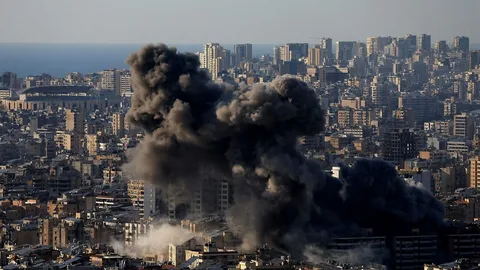
Lebanon has suffered some of the heaviest civilian casualties in the broader conflict — with over 394 people confirmed killed including 83 children in Israel attack Lebanon operations running parallel to the main US-Israel attacks on Iran campaign.
Lebanon war casualties 2026 reflect Israel’s simultaneous military campaign against Hezbollah infrastructure in southern Lebanon and the Beirut southern suburbs — a separate but operationally connected dimension of the broader regional conflict.
Gulf Nation Casualties — Casualties in Iran Attack
Casualties in Iran attack operations against Gulf Cooperation Council member states represent a further category of Iran war casualties 2026 that has received less international attention than the direct US-Israel-Iran confrontation.
Bahrain — 1 confirmed killed, 32 or more injured in Iranian missile and drone strikes. UAE — 4 confirmed killed in Iranian attacks targeting Dubai and Abu Dhabi infrastructure. Kuwait — 5 confirmed killed in Iranian strikes on military and civilian installations. Jordan — 14 injured in Iranian drone and missile attacks on military facilities. Qatar — 16 injured in Iranian attacks including strikes on Al Udeid Air Base perimeter areas. Saudi Arabia — 2 confirmed killed in Iranian strikes targeting Aramco infrastructure.
Total Gulf nation casualties in Iran attack operations: approximately 12 killed and 60 or more injured across all 6 GCC member states.
Casualties in Iran Attack — Civilian vs Military Breakdown
Military Casualties in Iran Attack
The majority of casualties in Iran attack operations on the Iranian side are military personnel — IRGC soldiers, commanders, and defence industry workers at struck facilities.
US-Israel attacks on Iran death toll among Iranian military personnel is estimated at over 1,800 — including IRGC ground forces, naval personnel, air defence operators, and missile programme technicians killed in the precision strike campaign.
American military casualties in Iran attack retaliation total 8 killed and 9 seriously injured — all service members at Gulf bases struck by Iranian ballistic missiles and drones.
Civilian Casualties in Iran Attack
Civilian casualties in Iran attack operations represent the most contested dimension of the US-Israel attacks on Iran death toll.
Iranian state media claims extensive civilian casualties in US-Israeli strikes — particularly in residential areas adjacent to military facilities in Tehran, Isfahan, and Natanz. Independent verification of civilian casualties in Iran attack operations inside Iranian territory has been impossible given access restrictions.
UN agencies have expressed grave concern about civilian casualties in Iran attack operations and have called on all parties to respect international humanitarian law obligations regarding proportionality and distinction between military and civilian targets.
Quotes on US-Israel Attacks on Iran Death Toll
US CENTCOM Commander stated that coalition forces had struck over 3,000 military targets inside Iran — adding that every effort was being made to minimise civilian casualties in Iran attack operations while achieving the military objectives of the campaign.
Israeli Prime Minister Benjamin Netanyahu stated that Israeli casualties from Iranian missile attacks would not go unanswered — adding that the IDF would continue striking Iranian military capacity until the threat to Israeli civilians was permanently eliminated.
UN Secretary-General Antonio Guterres expressed alarm at the rising US-Israel attacks on Iran death toll on all sides — calling for an immediate ceasefire and warning that the escalating Iran war casualties 2026 were bringing the region to the edge of catastrophe.
A senior Iranian official speaking through state media rejected US CENTCOM casualty figures as politically motivated underestimates — claiming actual casualties in Iran attack operations far exceeded officially acknowledged figures and vowing that Iran would continue its retaliation until US and Israeli forces withdrew from the region.
CNN anchor Jake Tapper noted during a prime-time broadcast that the US-Israel attacks on Iran death toll among American service members — though smaller than major past conflicts — was generating significant domestic political opposition at a speed that recalled the early weeks of the 2003 Iraq War.
Human Rights Watch issued a statement calling on all parties to provide independent access to assess civilian casualties in Iran attack operations — stating that the absence of independent verification made it impossible to assess compliance with international humanitarian law obligations by any party to the conflict.
Impact: What the US-Israel Attacks on Iran Death Toll Means
Domestic US Politics
The US-Israel attacks on Iran death toll among American service members has become the central political vulnerability of the Trump administration’s Iran war strategy.
8 American deaths may appear modest compared to major past conflicts — but Iran war casualties 2026 are accumulating in a conflict that the administration initially presented as a short, decisive operation. Every new American casualty in Iran attack retaliation strikes strengthens the Democratic congressional opposition and erodes public support documented in the CNN poll showing 60 percent disapproval.
Israeli Domestic Politics
Israeli casualties from Iranian missile attacks have generated domestic pressure on the Netanyahu government to escalate rather than negotiate — creating a feedback loop in which each successful Iranian strike on Israeli territory drives Israeli military escalation that generates further Iranian retaliation and further casualties in Iran attack operations on both sides.
International Humanitarian Law
The rising US-Israel attacks on Iran death toll — particularly on the civilian side — is generating increasing international legal scrutiny of all parties’ compliance with international humanitarian law obligations.
UN agencies, Human Rights Watch, and Amnesty International have all called for independent investigations into casualties in Iran attack operations on all sides — a demand that no party to the conflict has yet accepted.
Frequently Asked Questions
How Many Israelis Died in the Iran War?
13 or more Israelis have been confirmed killed in Iranian ballistic missile and drone strikes on Israeli territory since the war began on February 28, 2026. Dozens more have been seriously injured. Israeli casualties have been lower than Iranian planners likely anticipated due to the strong performance of Israel’s Iron Dome, David’s Sling, and Arrow air defence systems — which have intercepted the large majority of Iranian missiles targeting Israeli cities. Iran war casualties 2026 on the Israeli side include both civilian deaths in residential areas and IDF military personnel killed in operational activities related to the conflict.
How Many Missiles Have Hit Israel?
Of the approximately 200 or more ballistic missiles Iran has fired at Israel since February 28, 2026, an estimated 6 to 12 have penetrated Israeli air defences and caused casualties or structural damage. The remainder were intercepted by Israel’s multi-layered air defence network. Casualties in Iran attack missile strikes on Israel have been concentrated in northern Haifa — where residential and commercial areas have sustained the most significant structural damage from Iranian missiles that evaded interception. Iran war casualties 2026 on the Israeli side reflect this pattern of high interception rates with occasional penetration causing real but limited damage.
Who Has More Loss in the Iran-Israel War?
Iran has suffered significantly greater losses than Israel in the current conflict — both in human casualties and infrastructure destruction. US-Israel attacks on Iran death toll inside Iranian territory is estimated at 1,332 confirmed to over 2,400 by Western intelligence estimates — compared to 13 or more Israelis confirmed killed in Iranian retaliation strikes. Iran has also lost Supreme Leader Ali Khamenei, multiple senior IRGC commanders, significant nuclear infrastructure, and dozens of military facilities. However, Iran war casualties 2026 must be assessed across multiple dimensions — Iran’s ability to close the Strait of Hormuz, impose $100 per barrel oil prices, and sustain multi-front attacks on US bases and Gulf states represents a form of strategic damage inflicted on the US-led coalition that pure casualty figures do not fully capture. The Iran-Israel war is therefore one in which Israel and the US are winning militarily while both sides are absorbing significant costs.
Conclusion
The US-Israel attacks on Iran death toll — now exceeding 1,700 confirmed across all parties — tells the story of a conflict whose human costs are escalating faster than any diplomatic effort to contain them.
Iran war casualties 2026 span Iranian military and civilian deaths, American service members killed in retaliation strikes, Israeli civilians struck by Iranian missiles, Lebanese civilians caught in parallel Israel-Hezbollah operations, and Gulf nation casualties from Iranian drone and missile campaigns.
Casualties in Iran attack operations will continue to mount for as long as the military campaign continues without a political framework for resolution. The numbers in this tracker are not abstractions — they are the human cost of a conflict that the world’s most powerful nations chose to start and have not yet found the will to stop.