Pakistan’s work from home policy and labour laws have undergone significant transformation in recent years. With millions of home-based workers in Pakistan still operating without full formal protection, new provincial legislation particularly the Punjab Home-Based Workers Act 2023 is reshaping the landscape. Understanding labour law in Pakistan for private companies, leave entitlements, and the minimum wage in Pakistan 2025–2026 is now critical for both employers and employees.
Background: The Rise of Home-Based Work in Pakistan
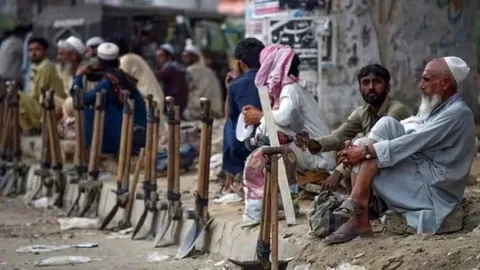
The concept of home-based work is not new to Pakistan. Informal estimates suggest there are approximately 20 million home-based workers in the country, of which around 12 million are women. These workers contribute to sectors such as textiles, handicrafts, and agriculture — yet for decades they operated without formal legal recognition.
Following the 18th Constitutional Amendment, labour became a provincial subject, which meant each province had to develop its own legislative framework. This devolution was a turning point for home-based workers in Pakistan, as it pushed provinces to act independently on policy and legislation.
The Legal Framework: What the Laws Say
No Federal-Level Work From Home Law Yet
As of 2025–2026, Pakistan does not have a single comprehensive federal law specifically governing work from home policy in Pakistan. According to legal experts, the relationship between employer and remote employee is primarily governed by the employment contract, which must clearly define terms including work location, hours, responsibilities, and performance expectations.
There are no explicit statutory rights to work from home in Pakistan. It remains an arrangement agreed upon between employer and employee. However, general labour laws in Pakistan for private companies still apply including rules on working hours, rest periods, and fair treatment even for remote workers.
Provincial Legislation: A Landmark Shift
Punjab Home-Based Workers Act 2023
The Punjab Home-Based Workers Act 2023, promulgated on 17 February 2023, is widely regarded as the most significant piece of labour law Punjab Pakistan targeting home-based workers. It formally recognises home-based workers as part of the labour force and provides them with legal protections.
Key provisions of the Act include:
- Workers under the age of 15 are prohibited from being employed as home-based workers.
- Registered home-based workers are entitled to sickness benefits, maternity benefits, medical care, workplace injury benefits, disablement pension, and survivor’s pension.
- The Act establishes the Punjab Home-Based Workers Welfare Fund.
- Workers are protected against employment conditions inconsistent with their contracts.
This legislation came after years of grassroots advocacy by trade unions and civil society organisations demanding recognition for home-based work in Pakistan.
Other Provinces Follow Suit
Pakistan’s other provinces have also enacted legislation:
- Sindh – Sindh Home-Based Workers Act, passed in May 2018, with worker registration currently underway.
- Khyber Pakhtunkhwa – Enacted home-based work legislation in 2021.
- Balochistan – Passed its law on home-based work in 2022.
All four provinces have now enacted necessary legislation, making this a defining moment for home-based workers in Pakistan. However, experts note that despite this progress, there is still no national registration mechanism and no universal access to social security across all regions.
Minimum Wage in Pakistan 2025–2026
One of the most closely watched areas of labour law in Pakistan for private companies is the minimum wage. Here is the updated breakdown:
| Region | Minimum Wage (Monthly) | Effective Date |
| Federal / ICT | PKR 37,000 | July 1, 2025 |
| Punjab | PKR 40,000 (unskilled) | July 1, 2025 |
| Sindh | PKR 40,000 (unskilled) | July 1, 2025 |
| Khyber Pakhtunkhwa | PKR 40,000 (unskilled) | July 1, 2025 |
| Balochistan | PKR 37,000 | Based on previous FY |
Punjab’s minimum wage, as per a notification dated September 8, 2025, is PKR 40,000 per month for unskilled workers based on 26 working days. The daily rate stands at PKR 1,538 and the hourly rate at PKR 192.
The federal government chose to keep the rate unchanged at PKR 37,000 for Islamabad for FY 2025–26, despite calls from political parties including the PPP to raise it to PKR 50,000. Meanwhile, the average gross monthly salary in Pakistan is estimated at PKR 65,000–75,000 as of early 2026.
Labour Law Leave Policy in Pakistan
Under existing labour laws in Pakistan for private companies, employees are entitled to the following leave benefits:
- Annual Leave: A maximum of 14 calendar days of paid annual vacation leave for workers who have completed 12 months of service.
- Sick Leave: Provided under applicable provincial laws; entitlement varies by province.
- Maternity Leave: Guaranteed under law for female workers, including those covered under home-based work in Pakistan legislation.
- Casual Leave: Workers may be entitled to casual leave depending on their employment agreement and applicable law.
Employers operating under labour law Punjab Pakistan or other provincial frameworks must ensure these leave entitlements are met and documented in employment contracts.
Labour Law Pakistan PDF and Compliance Requirements
For businesses seeking the official Pakistan labour law PDF, several key documents are publicly available through provincial labour departments and the Ministry of Overseas Pakistanis & Human Resource Development. Key laws referenced in compliance guides include:
- The Factories Act 1934 (still applicable today)
- Industrial and Commercial Employment Ordinance 1968
- Punjab Home-Based Workers Act 2023
- Sindh Home-Based Workers Act 2018
- Employees Old-Age Benefits Institution (EOBI) Ordinance
Employers with more than nine employees in the private sector must register with EOBI. Contributions are shared: 5% from employers and 1% from employees. Compliance also requires payroll documentation, social security contributions, and clear written employment contracts particularly for home-based work in Pakistan.
International Alignment: Pakistan and the ILO
In March 2025, Pakistan ratified three key International Labour Organization (ILO) instruments: the 2014 Protocol to the Forced Labour Convention, the Maritime Labour Convention (2006), and the Labour Statistics Convention (No. 160). This signals a renewed commitment to aligning Pakistan’s framework with global standards.
Pakistan’s provincial laws are also aligned with ILO Convention C177, which defines home-based workers as those producing goods or services from home for remuneration. However, experts note that this definition remains “poorly understood or applied at the ground level,” pointing to a gap between legislation and enforcement.
Impact: What This Means for Workers and Employers
The evolving work from home policy in Pakistan and strengthened labour laws carry wide-ranging implications:
For home-based workers: Formal recognition opens access to social protection, maternity benefits, and legal recourse in cases of exploitation benefits that were previously unavailable to the millions engaged in home-based work in Pakistan.
For private companies: Employers must now navigate a complex, province-specific compliance environment. Those operating across multiple provinces face different minimum wage thresholds, EOBI requirements, and leave obligations under different labour laws in Pakistan for private companies.
For women workers: Given that an estimated 12 million of Pakistan’s home-based workers are women, this legislation has a particularly powerful gender dimension. Home-based workers contributed nearly PKR 400 billion to Pakistan’s economy in 2013–14, representing roughly 3.8% of GDP with 65% of that contribution coming from women.
Expert Perspective
Legal analysts and labour economists point to the Punjab Home-Based Workers Act 2023 as a groundbreaking development but caution that its effectiveness depends on robust enforcement mechanisms and adequate resource allocation. Experts note that the Act’s broad definition of “home” may create implementation challenges, and suggest revising the definition of “disablement” to include temporary injuries which are far more common among this workforce.
Additionally, with the EU’s Corporate Sustainability Due Diligence Directive now in force, Pakistani exporters particularly in the textile and handicrafts sectors face growing international pressure to demonstrate that their supply chains comply with labour standards, including protections for home-based workers in Pakistan.
Conclusion
Pakistan’s work from home policy and labour law framework are evolving rapidly, driven by provincial legislation, ILO commitments, and growing economic recognition of informal workers. The minimum wage in Pakistan for 2025–2026 has been updated at the provincial level, with Punjab and Sindh offering PKR 40,000 for unskilled workers. The Punjab Home-Based Workers Act 2023 and similar provincial laws represent a major step toward formalising home-based work in Pakistan.
However, the road ahead still requires a national registration system, harmonised implementation, and stronger enforcement. For workers and employers alike, staying informed about labour law Punjab Pakistan, leave policy, and wage compliance is no longer optional it is a legal and economic necessity.
Frequently Asked Questions (FAQs)
What are the 7 pillars of patient safety?
The 7 pillars of patient safety are: safe staffing, clinical governance, risk management, infection prevention and control, medicines management, patient and public involvement, and health and social care integration. These principles guide healthcare institutions worldwide in reducing harm to patients and improving care quality.
What are the 5 P’s of patient safety?
The 5 P’s of patient safety refer to: Patients (centring care on them), Professionals (trained and accountable staff), Processes (standardised clinical procedures), Place (a safe physical environment), and Performance (monitoring and continuous improvement). These are widely used in hospital safety frameworks to reduce adverse events.
What is the healthcare situation in Pakistan?
Pakistan’s healthcare system faces significant challenges, including inadequate public health infrastructure, a shortage of trained medical professionals, and wide disparities between urban and rural access to care. The country allocates a relatively low percentage of GDP to public health spending. Issues such as poor sanitation, high rates of communicable disease, and maternal and infant mortality remain pressing. However, government initiatives and international partnerships are working to improve access to basic healthcare services across all provinces.