
Namibia’s ambitious shift toward becoming a global hub for green hydrogen has raised significant environmental alarms, as the proposed industrial infrastructure threatens the survival of the endangered African penguin. The development of massive desalination plants and port facilities essential for producing “green” fuel is slated for coastal regions that serve as critical breeding and foraging grounds. Conservationists warn that the noise pollution, increased shipping traffic, and chemical discharge from these plants could introduce toxic pet flea-like devastation to the marine ecosystem, potentially pushing the already dwindling penguin colonies toward total extinction.
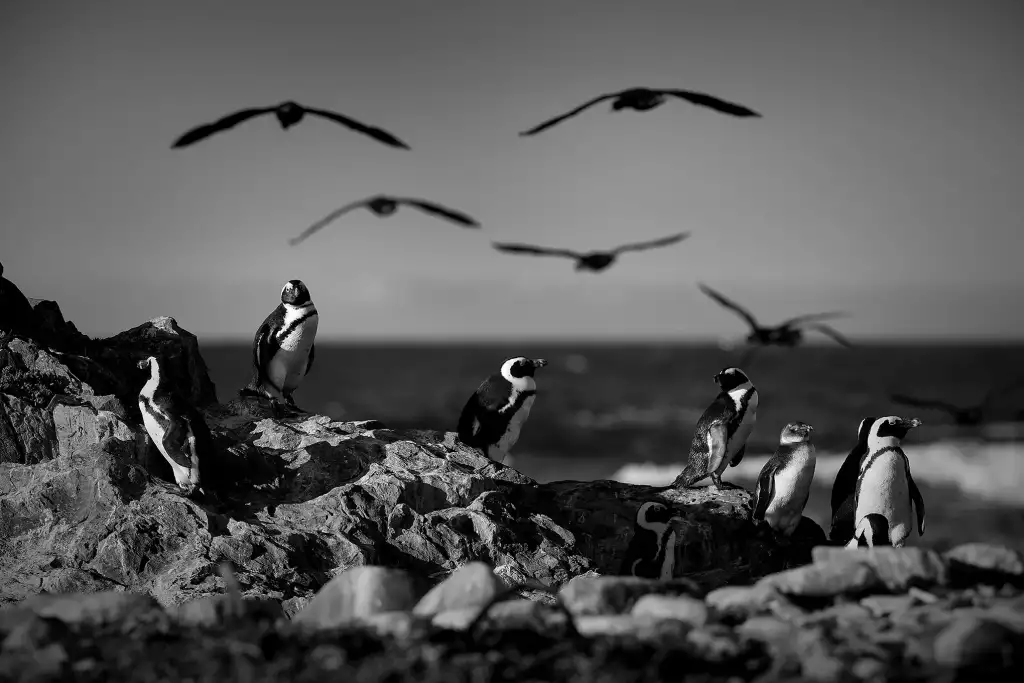
The primary “red flag” lies in the disruption of the delicate balance within the Lüderitz coastline’s protected waters. While the project aims to combat global climate change, the localized impact of brine release and industrial runoff mirrors the “damaging” chemical levels seen in polluted rivers, threatening the fish stocks that penguins rely on. Experts argue that without rigorous safeguards, the quest for clean energy may inadvertently sacrifice one of the world’s most vulnerable seabird species, highlighting a painful irony where saving the planet’s atmosphere comes at the direct cost of its immediate coastal biodiversity.