
Tunisia is once again facing political turmoil after several opposition leaders were jailed amid growing tensions between the government and political parties. The arrests have sparked criticism from rights groups, opposition supporters, and international observers. The latest developments have dominated Tunisia news today Arabic platforms and raised concerns about democracy and freedom of speech in the country.
The arrests come at a sensitive time as Tunisia struggles with economic challenges, rising unemployment, and increasing political divisions. Many analysts believe the situation could have long-term consequences for Tunisia’s political stability and international relations.
Tunisia Opposition Leaders Jailed in Expanding Crackdown
Authorities in Tunisia recently detained multiple opposition figures in what critics describe as an expanding political crackdown. Several political activists and party members were reportedly questioned before being transferred to detention facilities.
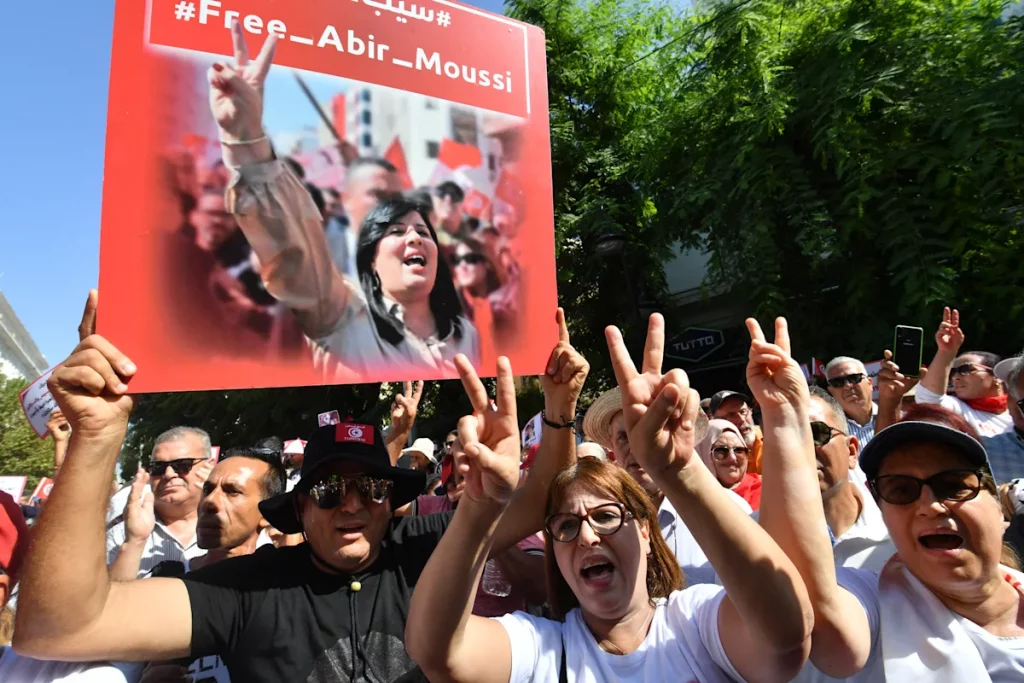
The arrests have become a major topic across Latest Tunisian news 24/7 media outlets. Supporters of the detained leaders gathered outside courts and government offices demanding their immediate release. Human rights organizations also expressed concern over what they described as shrinking democratic space in Tunisia.
The Tunisian government, however, defended the arrests by stating that all legal procedures were being followed according to national law. Officials insisted the investigations were related to national security and public order concerns.
Rached Ghannouchi Daughter Speaks on Political Tensions
Attention has also turned toward the family of veteran politician Rached Ghannouchi. Reports connected to Rached Ghannouchi daughter circulated widely on social media after family members criticized the arrests and called for international attention.
Family representatives argued that opposition figures were being unfairly targeted for political reasons. Their statements gained significant coverage in Tunisia News BBC reports and regional Arabic-language media.
Rached Ghannouchi, one of Tunisia’s most prominent political leaders, has remained a central figure in the country’s political debate since the Arab Spring. His supporters say the current crackdown is politically motivated, while critics accuse opposition groups of contributing to instability.
President of Tunisia Faces International Scrutiny
The President of Tunisia has defended his government’s actions, saying the country must protect itself from corruption and political disorder. In recent speeches, the president accused some opposition figures of damaging national interests and spreading instability.
International observers, however, are closely monitoring the situation. Several European and regional organizations called for fair trials and transparency in the judicial process. Concerns have also been raised about media freedom and political participation.
The political situation has become one of the most discussed topics in Tunisia news today Arabic publications. Analysts say the government is attempting to consolidate power while dealing with public dissatisfaction over economic conditions.
Tunisia Business News Reflects Economic Uncertainty
Political instability is also affecting Tunisia’s economy. According to Tunisia business news reports, investors are becoming increasingly cautious as uncertainty grows across the country.
Tourism, trade, and foreign investment sectors are reportedly facing pressure due to political tensions. Business groups warned that continued instability could weaken investor confidence and slow economic recovery efforts.
Economic experts noted that Tunisia is already struggling with inflation, unemployment, and debt-related issues. Any prolonged political crisis could further damage economic growth and affect daily life for ordinary citizens.
Several financial analysts also warned that international lenders may closely evaluate Tunisia’s political environment before approving future economic assistance programs.
Hammamet News Today Highlights Public Concerns
In tourist areas such as Hammamet, residents and business owners expressed concern over the country’s image abroad. Hammamet News today coverage showed interviews with local traders who fear that political unrest may impact tourism during the upcoming travel season.
Hotel owners and tourism workers stated that stability is essential for attracting international visitors. Tunisia’s tourism industry remains one of the country’s most important economic sectors, employing thousands of people across coastal regions.
Some citizens also voiced frustration over rising living costs and ongoing political disputes. Public opinion appears divided between those supporting strong government action and those demanding greater political freedoms.
Background of Tunisia’s Political Crisis
Tunisia was once praised as one of the few democratic success stories of the Arab Spring. However, political tensions have increased significantly in recent years following constitutional changes, economic hardship, and disputes between political institutions.
The current crisis intensified after major political reforms gave broader powers to the presidency. Opposition parties accused the government of weakening democratic institutions and limiting political competition.
Supporters of the president argue that strong leadership is necessary to fight corruption and restore order. Critics, however, believe democratic protections are being eroded under the current political system.
The debate continues to divide public opinion both inside Tunisia and internationally.
International Reaction to Tunisia News
Global organizations and foreign governments have reacted cautiously to the recent arrests. Human rights groups called for respect for judicial independence and freedom of expression.
Several international observers emphasized the importance of political dialogue and peaceful democratic processes. Tunisia’s strategic role in North Africa makes political developments there highly important for regional stability.
Latest Tunisian news 24/7 coverage also highlighted concerns among neighboring countries regarding migration, economic cooperation, and security coordination.
Analysts believe the international community will continue pressuring Tunisian authorities to ensure transparency and fair legal proceedings.
Political Analysts Warn of Long-Term Impact
Experts say the arrests of opposition leaders could deepen political polarization in Tunisia. Many fear the growing tensions may trigger larger protests or increase distrust between political institutions and the public.
Some analysts argue that economic reforms may become more difficult if political divisions continue. Others believe negotiations between the government and opposition parties may eventually become necessary to reduce tensions.
The future political direction of Tunisia remains uncertain. Much will depend on how authorities manage public criticism, legal proceedings, and economic challenges in the coming months.
Conclusion
Tunisia is currently experiencing one of its most sensitive political moments in recent years. The jailing of opposition leaders has intensified debate over democracy, governance, and political freedoms in the country.
As Tunisia news today Arabic headlines continue focusing on arrests, economic uncertainty, and political tensions, the international community is closely watching future developments. The coming months could play a major role in shaping Tunisia’s political and economic future.
FAQs
Is PTI left or right?
Pakistan Tehreek-e-Insaf (PTI) is generally considered a centrist political party with a mix of welfare-focused economic policies and conservative social values. The party supports anti-corruption reforms, social welfare programs, and economic development while also emphasizing national identity and religious values. Political experts often describe PTI as having elements of both left and right political ideologies depending on the issue being discussed.
Why is Bilawal Bhutto not a foreign minister?
Bilawal Bhutto Zardari previously served as Pakistan’s foreign minister during the coalition government period. However, cabinet positions often change after elections, political negotiations, or government restructuring. Political alliances, parliamentary numbers, and party agreements usually determine who receives key ministerial roles in Pakistan’s government system.
Is Imran Khan still married to Jemima?
No, former Pakistani Prime Minister Imran Khan is no longer married to Jemima Goldsmith. The couple divorced in 2004 after several years of marriage. They have two sons together and continue to co-parent their children. Jemima Goldsmith currently lives in the United Kingdom and works in media and production projects.