


The Trump tactical pause Iran war announcement on Day 24 of the US-Israeli conflict has shifted the conflict from imminent escalation to uncertain negotiation — without resolving anything fundamental.
Trump posted on Truth Social in all capital letters that the United States and Iran had, over the last two days, very good and productive conversations regarding a complete and total resolution of hostilities in the Middle East, and that he had instructed the Department of War to postpone any and all military strikes against Iranian power plants and energy infrastructure for a five-day period, subject to the success of the ongoing meetings and discussions.
The Trump tactical pause Iran war declaration came hours before the trump 48 hours iran deadline was set to expire — a deadline that had threatened strikes on Iran’s power grid if Tehran did not reopen the Strait of Hormuz.
Iran immediately denied that any talks had taken place, leaving the Trump tactical pause Iran war in a state of deep ambiguity from the moment it was announced.
Background
Trump Tactical Pause Iran War — The 48-Hour Ultimatum That Started It
The Trump tactical pause Iran war announcement cannot be understood without the trump 48 hours iran countdown that preceded it.
Trump issued a 48-hour ultimatum to Tehran to reopen the Strait of Hormuz or face strikes on Iran’s power plants. The deadline had been due to expire on Monday evening in Washington.
The trump 48 hours iran tweet — posted on Truth Social — warned that the US would obliterate Iran’s power plants if Tehran did not comply. The trump 48 hours deadline sent oil prices spiking to $114 a barrel and sent financial markets into a tailspin.
In response to Trump’s initial demand to reopen the strait by the trump 48 hours deadline, Iran said it would close the vital waterway indefinitely and attack regional infrastructure, causing further alarm in global energy markets. Before Trump’s announcement of the five-day pause, an Iranian source said Tehran was moving forward with monetising control of the strait.
The trump 48 hours iran countdown therefore produced precisely the opposite of what Trump demanded — Iran doubled down rather than backing down. That intransigence is what produced the Trump tactical pause Iran war pivot.
Details
Trump Tactical Pause Iran War — What Trump Said
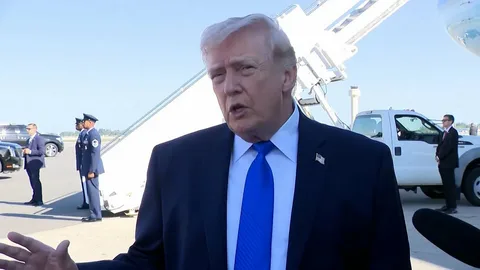
Trump said the US and Iran wanted to make a deal and the two sides had major points of agreement after he ordered the US military to postpone strikes against Iranian power plants and energy infrastructure for five days. Speaking to reporters at a Florida airport, Trump said Iran wanted to make a deal and that US envoys had been holding talks with a respected Iranian leader — not Supreme Leader Mojtaba Khamenei. He asserted that Iran must give up its enriched uranium stockpile for a deal. He said his envoys Steve Witkoff and Jared Kushner had been engaged in talks most recently on Sunday night.
Trump said both sides were keen to make a deal and there were already major points of agreement. He said the chief goal remained stopping the Islamic Republic from having a nuclear weapon.
The Trump tactical pause Iran war announcement shifted market sentiment immediately. Oil prices plummeted after Trump’s announcement. Brent crude fell more than 7 percent to trade below $99 a barrel, down from $114 earlier in the day. Stock futures jumped higher. European stocks rose, reversing earlier losses. Gold prices dropped 2 percent. US diesel and gasoline futures fell 8.5 percent and 9 percent respectively.
Iran’s Response — A Flat Denial
The Trump tactical pause Iran war announcement collided immediately with a direct contradiction from Tehran.
Iranian state media, citing an unnamed senior security official, disputed Trump’s description of conversations, saying direct or indirect talks had not taken place between Washington and Tehran. The spokesperson rejected any negotiations or talks with the United States during what he called the past 24 days of an imposed war. He said Iran’s position on the Strait of Hormuz and the conditions for ending the war had not changed.
Iranian officials stated that Trump aimed to buy time for US military plans and reduce energy prices. They said all requests for de-escalation should be referred to Washington, as Iran was not the party that started the war.
The gap between Trump’s claim of productive conversations and Iran’s denial of any talks defines the Trump tactical pause Iran war — an announcement built on disputed facts with no verified diplomatic foundation.
What the Pause Actually Does
On the 24th day of the US-Israeli war on Iran, Trump’s decision to defer planned strikes on Iran’s power plants and energy infrastructure by five days introduced a tactical pause in an otherwise escalating conflict, essentially extending the trump 48 hours iran countdown into a more uncertain holding phase. The shift from threats of obliteration to claims of productive conversations appeared less the result of any Iranian concession and more a unilateral recalibration by Washington.
The Trump tactical pause Iran war serves several simultaneous purposes. It lowers immediate energy market pressure. It provides diplomatic cover for back-channel contact. And it buys military preparation time.
The ongoing movements of US personnel and assets toward regional bases, alongside the forward positioning of amphibious groups, point to continuing preparations for targeted options, including possible coastal operations — seizure of Iranian islands — or actions for securing maritime routes. The five-day window is both a buffer against immediate escalation and a preparatory period should coercive options be resumed.
Israel’s Position
The Trump tactical pause Iran war has not stopped Israel. Markets retreated from some of their initial enthusiasm after the Israel Defence Forces said it was continuing strikes on Tehran, and it became unclear whether Iran agreed with Trump’s version of events.
Israel announced strikes on government infrastructure in Tehran on the same day Trump announced the pause — a signal that the Trump tactical pause Iran war applies to US forces only, and that Israel does not consider itself bound by Washington’s five-day window.
Regional Picture on Day 24
Proxy fronts remained active despite limited signals of restraint. Hezbollah sustained a high tempo of operations in southern Lebanon with continued pressure on Israeli forces. Gulf states continued intercepting drones and missiles. One person was wounded by falling debris in Abu Dhabi. Five Israeli settlers were arrested in the occupied West Bank after a second consecutive night of widespread attacks on Palestinians.
The human cost continued to mount. At least 1,047 civilians including 214 children had been killed in Iran. Israeli strikes in Lebanon had killed at least 1,039 people including 118 children since the war began.
Quotes
“I am pleased to report that the United States of America, and the country of Iran, have had, over the last two days, very good and productive conversations regarding a complete and total resolution of our hostilities in the Middle East.” — Donald Trump, Truth Social post, Day 24
“I have instructed the Department of War to postpone any and all military strikes against Iranian power plants and energy infrastructure for a five day period, subject to the success of the ongoing meetings and discussions.” — Donald Trump, Truth Social
“We are very intent on making a deal with Iran.” — Donald Trump, speaking to CNBC
“Direct or indirect talks have not taken place between Washington and Tehran.” — Senior Iranian Security Official, via state media
“Iran’s position on the Strait of Hormuz and the conditions for ending the war have not changed.” — Iranian Government Spokesperson
“The five-day pause has altered the tempo but not the trajectory of the conflict.” — War Diary Analysis, Day 24
“We have major points of agreement, I would say almost all points of agreement — perhaps that hasn’t been conveyed.” — Donald Trump, speaking to reporters at Palm Beach Airport
Impact
For energy markets, the Trump tactical pause Iran war announcement produced an immediate and dramatic price drop — Brent crude fell from $114 to below $99 in hours. The market response reflects how sensitively priced the conflict risk has become after 24 days of sustained supply disruption. But the gains reversed partially once Israel confirmed it was continuing strikes, illustrating how fragile the Trump tactical pause Iran war effect on markets actually is.
For diplomacy, the five-day window created by the Trump tactical pause Iran war is the first genuine pause in the escalation cycle since the war began. Whether it produces anything depends entirely on whether the talks Trump described are real — something Tehran is publicly denying. The involvement of Steve Witkoff and Jared Kushner as envoys signals that Trump is using his personal network rather than conventional State Department channels.
For the trump 48 hours iran countdown and deadline politics, the Trump tactical pause Iran war represents a significant public reversal. Trump moved from obliteration threats to productive conversations in a matter of hours — a shift that allies, adversaries, and markets are all trying to interpret simultaneously.
For the wider conflict, the Trump tactical pause Iran war does not stop Israel, does not reopen the Strait of Hormuz, does not halt Hezbollah operations, and does not change Iran’s stated conditions for ending the war. It is a pause in one specific category of US military action — power plant strikes — while everything else continues.
FAQs
Did Trump break the ceasefire with Iran and Israel?
There is no ceasefire. The Trump tactical pause Iran war is a five-day postponement of US strikes on Iranian power plants only — not a ceasefire. Tehran has denied any real engagement and maintained its position that any strike on its energy infrastructure would trigger wide retaliation across US- and Israeli-linked targets in the Gulf, including energy, desalination and critical systems, alongside a potential full closure of the Strait of Hormuz.Israel is continuing its strikes independently. The war is ongoing.
Who won the Iran-Israel war?
By the end of Day 24, the war remains suspended between restraint and renewed escalation. One cannot say about the future trajectory of the conflict.Neither side has achieved its stated objectives. Netanyahu said Iran had been decimated but that the revolution requires a ground component, suggesting Israel does not consider its military objectives complete. Iran has kept the Strait of Hormuz disrupted and inflicted economic damage on US allies — but has suffered devastating strikes on its military, nuclear, and leadership infrastructure. The war has no winner at Day 24.
Why did the US and Israel attack Iran?
The 2026 Iran war began on February 28 when the United States and Israel launched surprise airstrikes on multiple sites and cities across Iran. The attack was launched during nuclear negotiations — a surprise move that killed Supreme Leader Ali Khamenei. Trump had accused Iran of reviving efforts to build nuclear weapons and advanced missile capabilities that could threaten the US, Europe, and US bases overseas. Israel had long viewed Iran’s nuclear programme and its support for regional proxy forces as existential threats. The Trump 48 hours iran deadline, the trump 48 hours iran countdown, and the subsequent Trump tactical pause Iran war all flow from that original decision to launch military action rather than continue diplomacy.
Conclusion
The Trump tactical pause Iran war buys five days. It does not buy peace.
The shift from threats of obliteration to claims of productive conversations appeared less the result of any Iranian concession and more a unilateral recalibration by Washington. Tehran has denied any real engagement and maintained its position that any strike on its energy infrastructure would trigger wide retaliation.
The trump 48 hours iran countdown became a trump 48 hours deadline that became a five-day pause — each step driven by market pressure, military preparation, and the absence of any real Iranian concession.
The war remains suspended between restraint and renewed escalation. The five-day window has altered the tempo but not the trajectory of the conflict.
Five days. No verified talks. No opened strait. No changed conditions. The Trump tactical pause Iran war is a pause in the truest sense — everything stops for a moment, and then the clock starts again.