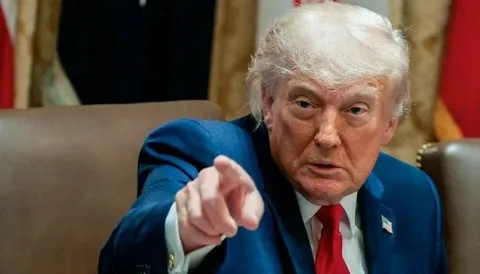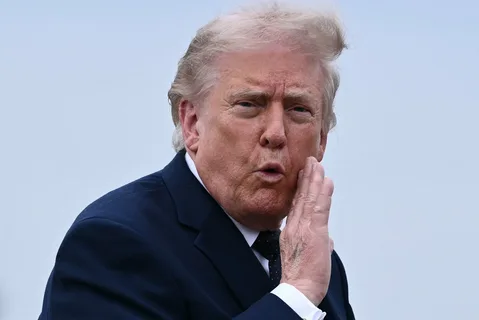
President Donald Trump announced on Saturday that a US-Iran deal to end months of devastating conflict is “largely negotiated” and will be announced shortly. The Trump Iran peace deal would officially end the US-Iran war, reopen the Strait of Hormuz to global shipping, and launch a 30–60 day window for nuclear negotiations. After weeks of fragile ceasefire, both Washington and Tehran are signalling they are closer than ever to finalising an agreement.
Background: How the US-Iran War Began
The US-Iran war news timeline traces back to a long-running confrontation over Iran’s nuclear ambitions and its influence across the Middle East. The United States and Iran began a series of negotiations in April 2025 following a letter from President Trump to Iranian Supreme Leader Ali Khamenei. However, on February 28, 2026, the United States and Israel launched large-scale strikes on Iran, marking the start of what is now referred to as the 2026 Iran war.
Iran responded with missile and drone strikes against Israel, US bases, and US-allied countries in the Middle East, and by closing the Strait of Hormuz disrupting global trade and triggering the worst energy crisis in decades.
On March 6, President Trump said that only Iran’s “unconditional surrender” would be acceptable, and warned the US would attack Iranian energy infrastructure and bridges if a deal was not reached. He set deadlines of March 21, then March 23, then April 7. The situation remained on the edge of catastrophic escalation for weeks.
The Ceasefire: Pakistan Steps In
On April 8, 2026, Trump announced he had agreed to a proposed two-week ceasefire between the US and Iran if shipping traffic was allowed to move through the Strait of Hormuz. Iranian Foreign Minister Abbas Araghchi also announced that Iran would agree to a ceasefire if attacks against Iran were halted.
The ceasefire was negotiated between Pakistani army chief Asim Munir, US Vice President JD Vance, US special envoy Steve Witkoff, and Iranian Foreign Minister Abbas Araghchi. Pakistan’s role as a neutral mediator proved critical in pulling both sides back from the brink.
However, the ceasefire remained fragile throughout April and May. The ceasefire has been violated by both sides since its declaration. On April 21, President Trump said he extended the Iran truce to allow time for an Iranian proposal to be submitted at Pakistan’s request. The US-Iran war news during this period was a constant cycle of skirmishes, threats, and renewed diplomatic efforts.
Details: The US-Iran Deal Taking Shape
The US and Iran are expected to announce the finalization of a draft proposal of a peace deal to end the fighting on all fronts. A draft proposal was agreed to early Saturday, with top negotiators including Iranian Parliament Speaker Mohammad Bagher Qalifbaf, Vice President JD Vance, special envoy Steve Witkoff, and Jared Kushner all having approved the draft. The draft version of the Trump Iran peace deal has been sent to the leaders of both nations for final approval.
Trump said in a social media post that he held calls from the Oval Office with the leaders of Saudi Arabia, the UAE, Qatar, Pakistan, Turkey, Egypt, Jordan, and Bahrain, as well as Israeli Prime Minister Benjamin Netanyahu all focused on finalizing the US-Iran deal.
The agreement includes a memorandum of understanding as a first phase, Iran’s foreign ministry confirmed, before broader talks are held within 30 to 60 days. This structure would allow both sides to claim a diplomatic win while leaving the harder nuclear details for a second phase.
The Strait of Hormuz: The Heart of the Crisis
No element of the US-Iran war has caused more global damage than the closure of the Strait of Hormuz. The narrow waterway through which about a fifth of the global oil supply typically passed prior to the US and Israeli strikes has been at the center of every round of negotiations.
The US blockade of the Strait of Hormuz has now hit the century mark, with 100 commercial ships either entering or leaving Iranian ports redirected by the blockade. Reopening this critical chokepoint is the single most urgent demand from Washington and from global markets.
Secretary of State Marco Rubio stated that “there is not a country in the world that should accept” Iran’s effort to create a tolling system to charge commercial vessels a fee to transit the Strait of Hormuz. The Iran news Al Jazeera and other international outlets have widely covered Tehran’s attempt to use the strait as a bargaining chip.
Iranian state media claimed that 35 vessels had transited the Strait of Hormuz over the past 24 hours in coordination with Iran’s naval forces a signal that partial movement has resumed even before a formal US-Iran deal is signed.
Quotes: What Officials Are Saying
Trump wrote on Truth Social: “An Agreement has been largely negotiated, subject to finalization between the United States of America, the Islamic Republic of Iran, and the various other Countries.”
Secretary of State Marco Rubio told reporters in New Delhi: “This problem will be solved, as the president’s made clear, one way or the other. We hope it’s done through the diplomatic route. That’s what we’re working on.”
Iran also said publicly on Saturday that the Trump Iran peace deal was progressing and that remaining differences would be hammered out at a later stage a notably softer tone from a government that only weeks earlier had called a US draft proposal “deeply flawed and one-sided.”
Impact: What the US-Iran Deal Means for the World
The US-Iran war has not just been a regional conflict it has shaken the entire global economy. The conflict has set off what Gulf states called the worst global energy crisis in decades, with higher oil prices pushing US inflation to its highest level in years.
Global oil prices fell sharply and stock markets jumped after the initial US-Iran ceasefire was announced. The price of benchmark Brent crude dropped below $100, falling by about 15.9 percent to $92.30 a barrel, while US-traded oil was almost 16.5 percent lower. A formal US-Iran deal is expected to trigger an even larger market rally.
For Pakistan, which brokered the ceasefire and hosted the Islamabad Talks, a successful Trump Iran peace deal would represent a significant diplomatic achievement and help stabilise energy prices in South Asia. For Gulf states, the reopening of the Strait of Hormuz would end a catastrophic disruption to oil revenues and trade flows. For the broader Iran US war news Al Jazeera audience across the Arab world, the deal signals a potential shift in the regional power balance.
Key issues still under discussion include freedom of navigation through the Strait of Hormuz, Iran’s nuclear and ballistic programme, reconstruction and sanctions relief, and the terms of a long-term peace agreement. None of these are simple, and the 30–60 day second-phase negotiations could prove just as turbulent as the war itself.
Conclusion: What Comes Next in the US-Iran Deal
The US-Iran deal is closer to reality than at any point since the US-Iran war began in February 2026. Both governments have publicly confirmed progress. Key negotiators from both sides have approved the draft text. Regional powers from Saudi Arabia to Pakistan are aligned behind a peaceful resolution.
However, major obstacles remain. Iran’s nuclear programme, Hezbollah’s disarmament, the lifting of sanctions, and the exact terms for Hormuz navigation must all be resolved in follow-up talks. Trump warned that he would resume the war if negotiations ultimately fail leaving no doubt that the pressure on Tehran to finalise the Trump Iran peace deal remains immense.
The world is watching. The next 24 to 48 hours could determine whether the US-Iran war ends at the negotiating table or returns to the battlefield.
FAQs
Did Iran violate the ceasefire?
Yes. According to US-Iran war news reports and official statements, the ceasefire agreed on April 8, 2026 was violated by both sides after its declaration. Skirmishes continued as the US and Iran disputed control of the Strait of Hormuz. On April 22, US officials said Trump gave Iran three to five days to engage in serious negotiations before resuming strikes, indicating the ceasefire remained highly fragile throughout April and into May 2026.
Is Hormuz open for Pakistan?
Partially. Since the April 8 ceasefire, Iran allowed limited coordination for vessels transiting the Strait of Hormuz through its naval forces. Iranian state media confirmed 35 vessels transited the strait in a 24-hour period in coordination with Iran’s navy. However, a full, unconditional reopening including for Pakistani-flagged vessels and those heading to or from Pakistani ports is dependent on the finalisation of the US-Iran deal. The US has maintained a naval blockade on Iranian ports since April, complicating full commercial passage. Pakistan, as the mediating nation, has a strong interest in ensuring the strait reopens freely for its own energy imports.
Can the Strait of Hormuz be bypassed?
Yes, but with serious difficulty and cost. Saudi Arabia operates the East-West Pipeline, which can carry crude oil from the Eastern Province to the Red Sea port of Yanbu, bypassing the strait entirely. The UAE has the Abu Dhabi Crude Oil Pipeline (ADCOP), which connects oil fields to Fujairah on the Gulf of Oman. However, these pipelines have limited capacity and cannot replace the full volume of traffic the Strait of Hormuz normally handles roughly one-fifth of the world’s oil supply. For liquefied natural gas (LNG) and other goods, there is effectively no viable bypass route, which is why the US-Iran war and Hormuz crisis triggered such severe disruption to global energy markets.