
Research conducted on urban and rural waterways has revealed that pesticides commonly found in toxic pet flea products specifically fipronil and neonicotinoids are present at “damaging” levels. Even though these chemicals are applied topically to pets, they find their way into the environment through:
- Washing and Bathing: Chemicals rinse off pets and enter the sewage system.
- Household Runoff: Shedding fur, skin cells, and pet bedding washed in machines contribute to the chemical load.
- Direct Contact: Pets swimming in local rivers or ponds shortly after treatment.
Why This Matters for the Environment
While these substances are effective at killing fleas, they don’t discriminate once they hit the water. Tiny amounts of toxic pet flea ingredients can be lethal to:
- Invertebrates: Mayflies, dragonflies, and water fleas (the base of the food chain) are highly sensitive.
- Fish Populations: With their primary food source depleted, fish populations struggle to survive.
- Bird Species: Aquatic birds that rely on insects for protein face starvation or reproductive issues.
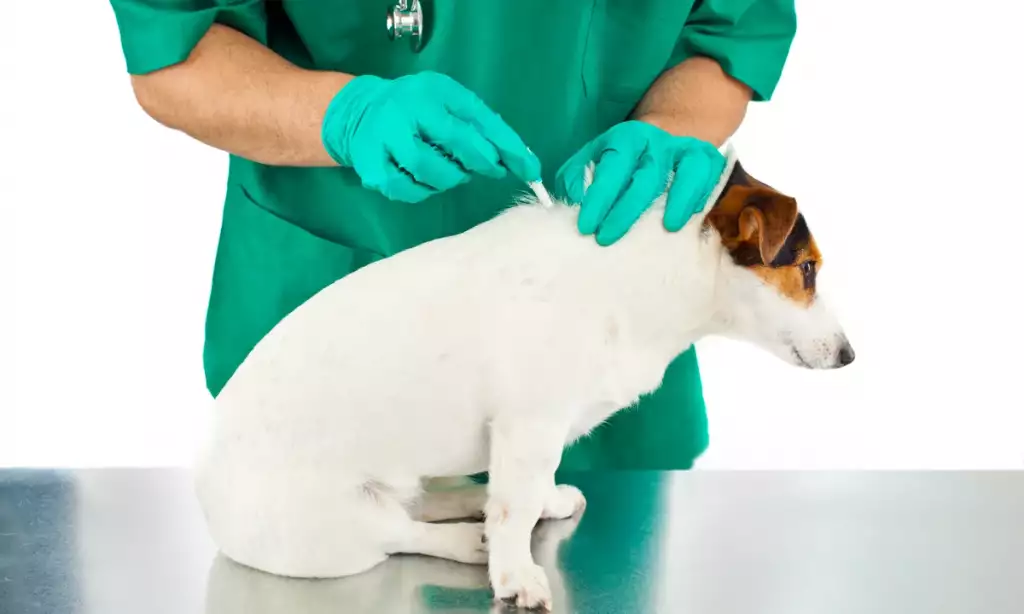
How to Protect Your Pet and the Planet
You don’t have to choose between a flea-free home and a healthy river. Here is how you can mitigate the impact of toxic pet flea treatments:
- Consult Your Vet: Ask for oral medications (pills) rather than topical “spot-on” treatments, as these don’t wash off into the water.
- The 48-Hour Rule: If you use topical treatments, keep your pet away from rivers, ponds, and the bathtub for at least 48 to 72 hours.
- Wash Bedding Responsibly: Shake out pet bedding outdoors (away from drains) before washing to reduce the concentration of chemicals entering the water system.
- Explore Integrated Management: Use flea combs and regular vacuuming to catch infestations early before heavy chemical use is required.