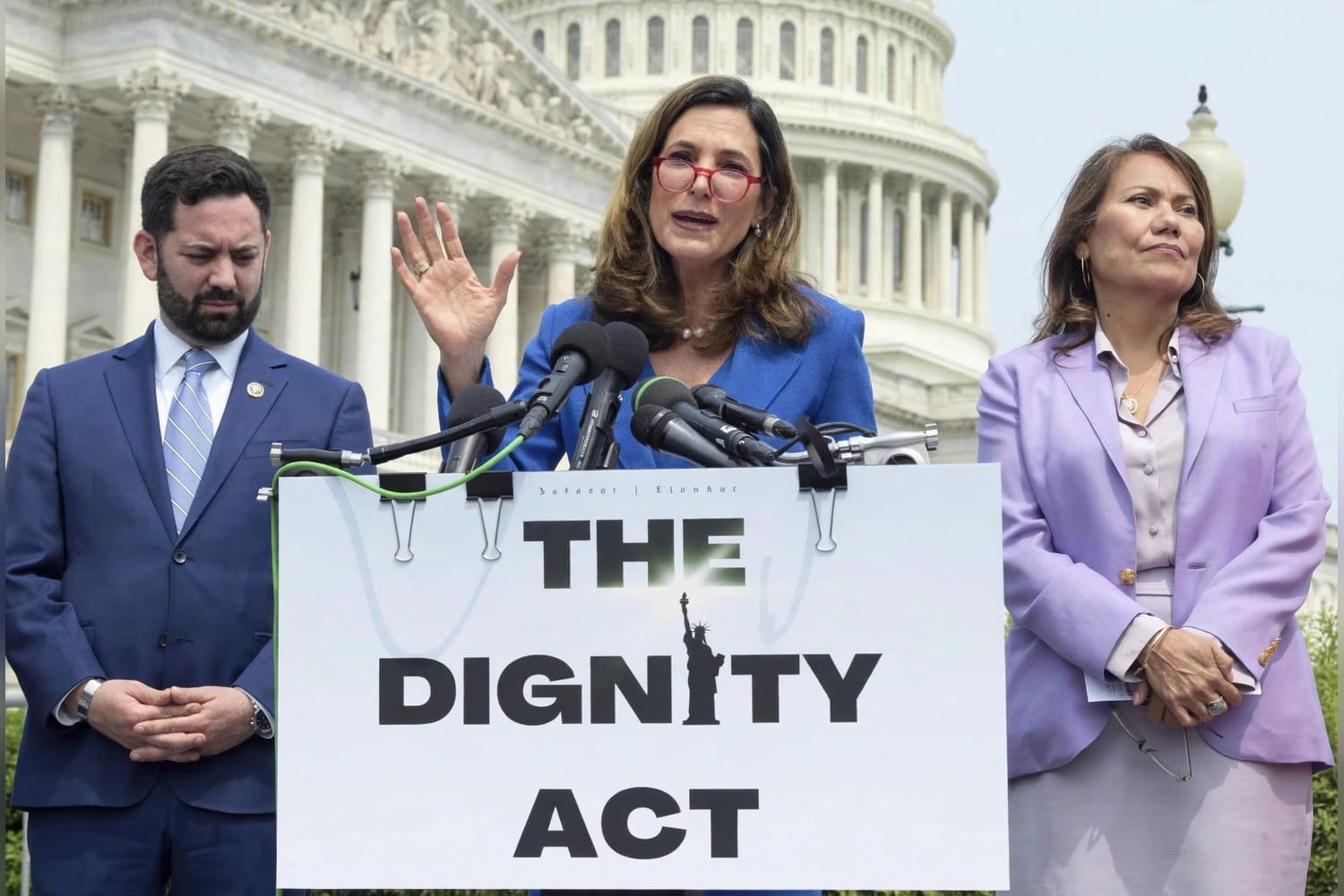
Proposed legislation combines stricter border security with legal status for certain long-term undocumented immigrants, while offering Dreamers a separate pathway to permanent residency
WASHINGTON, D.C. — A bipartisan immigration reform proposal in the U.S. Congress, known as The Dignity Act (H.R. 4393), seeks to address the country’s long-running immigration debate through a combination of stronger border enforcement and limited legal protections for certain undocumented immigrants.
The bill was introduced on July 15, 2025, by Rep. María Elvira Salazar (R-Florida), with Rep. Veronica Escobar (D-Texas) and other lawmakers joining as original co-sponsors. Its formal title is the Dignity for Immigrants while Guarding our Nation to Ignite and Deliver the American Dream Act of 2025, also known as the DIGNIDAD (Dignity) Act.
The proposal aims to bridge differences between lawmakers who prioritize border security and those seeking a structured legal framework for immigrants who have lived in the United States for many years. It does not, however, provide most adults who qualify for its Dignity Program with a direct route to U.S. citizenship.
Stricter Border Security and Asylum Procedures
The legislation proposes several changes to border enforcement and asylum processing. These include ending the practice commonly described as “catch-and-release” by establishing secure Humanitarian Campuses for certain asylum seekers while their cases are processed.
It also proposes pre-screening facilities in selected Latin American countries, tougher penalties for repeated unlawful border crossings, and expanded employment verification requirements through E-Verify.
The bill envisions faster asylum decisions, with a proposed 60-day target for certain cases. These provisions are intended to strengthen border management while changing how asylum claims are reviewed and processed.
The Dignity Program: Legal Status Without a Citizenship Path
One of the bill’s central provisions is the proposed Dignity Program, which would allow certain undocumented immigrants who have continuously lived in the United States since before December 31, 2020, to apply for a renewable legal status.
Applicants would have to meet eligibility requirements, including criminal background checks. Participants would also be required to work or attend school, pay applicable back taxes, and meet financial obligations under the program.
The proposal includes a $7,000 restitution payment and a payroll contribution. In return, eligible participants could receive legal permission to live and work in the United States under renewable Dignity Status.
Importantly, this status would not provide a direct pathway to a green card or citizenship for most adults enrolled in the program.
Separate Protections for Dreamers
The bill treats Dreamers differently from adults applying through the Dignity Program. Dreamers are generally people who were brought to the United States as children.
Under the proposal, eligible Dreamers could receive a 10-year conditional status and earn a pathway to permanent residency through qualifying achievements such as higher education, military service or sustained employment.
This provision seeks to address the uncertain immigration status of people who grew up in the United States but lack permanent legal status.
Funding for American Workers
The legislation also proposes using restitution payments collected through the Dignity Program to support workforce development initiatives for U.S. workers.
The proposed funding would help expand job training, apprenticeships and other employment-related opportunities. Supporters argue that this approach would help finance the program while directing resources toward American workers.
Bipartisan Support and Political Opposition
The Dignity Act has drawn support from lawmakers across party lines, as well as interest from business groups and faith leaders who favor a negotiated approach to immigration reform.
However, the proposal faces criticism from different political directions. Some conservative lawmakers and immigration restriction advocates oppose legalization provisions, arguing that they could amount to amnesty. Progressive immigration advocates, meanwhile, have raised concerns about the proposed Humanitarian Campuses, detention-related measures and the absence of a citizenship pathway for most adults.
The disagreement reflects the broader challenge facing Congress balancing border enforcement, humanitarian considerations, the needs of employers and the circumstances of long-term undocumented residents.
Legislative Status: Still a Proposal
As of November 29, 2026, the Dignity Act remains a pending proposal and has not become federal law. On November 16, 2026, Rep. Salazar announced that the bill had reached 56 congressional supporters, reflecting additional co-sponsorship. That announcement does not mean the legislation has passed Congress.
The bill’s future will depend on whether lawmakers can secure sufficient support to advance it through the congressional process. Until it is enacted, its proposed immigration protections and requirements do not take effect.
For millions of immigrants, employers and families following the debate, the Dignity Act represents one proposed approach to an issue that has remained unresolved in U.S. politics for decades.