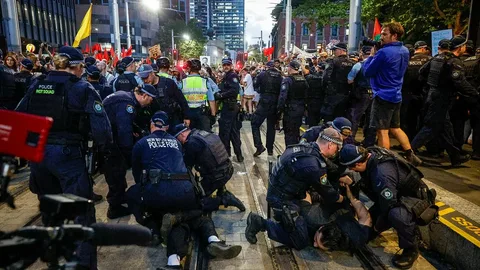
If you’ve noticed more police vehicles than usual on Sydney’s streets, or spotted a helicopter circling overhead, you’re not imagining things. NSW Police are currently responding to multiple incidents across Sydney and broader New South Wales and residents are understandably looking for answers.Here’s what authorities have confirmed, and what’s still developing.
Multiple Incidents, Multiple Suburbs
Police activity has been visible across several Sydney suburbs, with emergency vehicles deployed to various locations throughout the day. Residents searching for live police incident updates have noticed the increased presence, and it’s generating plenty of questions online.
NSW Police have confirmed that officers are managing a range of situations simultaneously — which, for a city the size of Sydney, isn’t unusual. What’s worth noting is that a heavy police presence doesn’t automatically mean something serious has happened. Officers are regularly deployed for preventive patrols, community safety operations, and routine responses alongside genuine emergencies.
Authorities are assessing each situation individually and say they’ll release information publicly once they’re confident doing so won’t compromise ongoing investigations.
Police Operations: What’s Actually Been Confirmed
Reports of emergency vehicles and temporary road closures have been circulating on social media, prompting a surge of searches around what’s happening right now.
NSW Police have acknowledged that operational activity shifts constantly throughout the day based on calls coming into dispatch. Standard police operations cover a wide range, including search warrants being executed, domestic incident responses, assistance to ambulance crews, road safety enforcement, and active criminal investigations.
The key message from authorities: operational details stay under wraps while work is ongoing. That’s not unusual releasing information prematurely can put officers, victims, and witnesses at risk.
If you’re in an area where police have established a safety zone or traffic diversion, the advice is straightforward cooperate, be patient, and give emergency personnel the space they need to do their job.
Liverpool NSW: What’s Going On?
Interest in Liverpool has spiked following reports of noticeable police activity in the southwest Sydney region.
Liverpool is one of Sydney’s busiest and most densely populated metropolitan areas, so police responses there are frequent by nature. Authorities have confirmed officers are actively attending incidents in the district but haven’t indicated anything beyond the scope of normal operational activity.
As always, some of what residents are seeing may be related to ongoing investigations that were already underway rather than something that just started.
Live Incidents Across NSW The Bigger Picture
It’s worth putting the volume of police activity in context. NSW Police handle thousands of calls every single week. The range of what they respond to is enormous road crashes, missing persons, public disturbances, domestic violence, property offences, drug investigations, fire assistance, welfare checks, search and rescue, event security.
Resources get allocated based on urgency, which means that at any given moment, officers across the state are working on everything from routine paperwork to active emergencies simultaneously. What looks like a surge in activity from the outside is often just business as usual at scale.
That Helicopter You’re Seeing
If there’s a NSW Police helicopter visible over your area right now, it’s drawn its fair share of attention and speculation.
Police helicopters are deployed for a wide variety of reasons that have nothing to do with major crimes. Missing person searches, traffic incident monitoring, tracking suspects, large event surveillance, and supporting ground units in complex situations all bring the helicopter out. Seeing it in the sky is not, on its own, a sign that something serious has happened nearby.
Authorities typically don’t confirm real-time helicopter deployments while operations are active — for obvious reasons. Once the situation resolves, more information usually follows.
Why Does Police Visibility Increase at Certain Times?
You might have noticed that police seem more visible during certain periods weekends, public holidays, major events, or particular times of year. That’s not coincidental.
NSW Police regularly run intelligence-led operations targeting specific issues: road safety, drug trafficking, firearm offences, organised crime, domestic violence prevention, high-risk offenders. These operations bring more officers to more locations for concentrated periods.
The goal is prevention as much as response. A visible police presence deters crime before it happens, and targeted operations often address problems that have been building in a particular area or community.
How NSW Police Actually Respond to Emergencies
When a call comes in through Triple Zero (000), trained dispatchers assess the situation before deciding on the appropriate response. Not every call gets the same resource allocation urgency, available information, and the nature of the incident all factor in.
For serious situations, specialist units can be called in quickly: tactical officers, rescue teams, negotiators, forensic investigators, detectives, or aviation support. NSW Police also coordinate closely with ambulance and fire services to make sure emergencies are handled with all the resources they need.
That coordination is what keeps major incidents from escalating further and it’s happening behind the scenes on more occasions than most residents realize.
A Note on Social Media and Unverified Information
This is worth saying clearly: social media moves faster than verified facts, and during active police situations, that gap can cause real problems.
Posts circulate before investigators have established what’s actually happened. Speculation spreads, concern grows, and sometimes completely inaccurate information starts being treated as confirmed news. That’s not just frustrating it can actively interfere with ongoing investigations, compromise witness safety, and create panic where none is warranted.
NSW Police are clear on this: follow official channels. The NSW Police Force website and verified social media accounts are where confirmed updates will appear. Anything else is someone’s best guess.
What Residents Can Actually Do
If you’re near an active police operation, the most helpful things you can do are genuinely simple.Follow any instructions given by officers on the ground. Avoid restricted areas. Give emergency services the space they need to work. And if you see something that looks suspicious not just something that’s unusual or unfamiliar, but genuinely concerning report it through the right channels rather than posting it online.
If it’s an emergency, call 000. For non-urgent police matters in NSW, the number is 131 444.Public cooperation makes a real difference to how quickly and safely operations can be resolved.
The Bigger Picture for Sydney
Policing a city of Sydney’s size is genuinely complex. The incidents happening right now across different suburbs represent a fraction of what NSW Police manage on any given day most of which goes completely unnoticed because it’s resolved quietly and efficiently.
Increased police visibility, when it happens, tends to serve dual purposes. It enables faster responses to developing situations, and it acts as a deterrent that prevents incidents from happening in the first place. For residents and commuters, temporary disruptions road closures, diversions, cordons are sometimes unavoidable. They’re also usually the sign that something is being handled properly.
The Bottom Line
NSW Police are actively responding to incidents across Sydney and surrounding areas. Residents are encouraged to stay informed through official channels, avoid spreading unverified information, and cooperate with emergency services on the ground.
As verified information becomes available, updates will be released. Until then, the best thing anyone can do is stay calm, stay aware, and let the people trained for this do their jobs.
FAQs
Which part of NSW has the highest crime rate?
Crime rates vary significantly across New South Wales based on population density, economic factors, and the types of commercial and residential activity in each area. Property offences theft, burglary, vehicle-related crimes are consistently among the most frequently reported categories in urban areas. NSW Police continuously track trends and run targeted operations in areas where patterns emerge.
Is Sydney actually safe to live in?
By international standards, yes Sydney ranks among the safer large cities in the world. Like any major urban centre, it has areas and times that require more caution than others. But the vast majority of residents and visitors move through the city daily without incident. Strong policing, effective emergency response infrastructure, and active community safety programs all contribute to that outcome. Basic awareness of your surroundings and sensible precautions go a long way.
What crimes happen most frequently in Sydney?
The most commonly reported offences tend to be theft in its various forms shoplifting, motor vehicle theft, break-and-enter, and fraud. Property damage, traffic offences, and domestic violence incidents also account for significant police resources. NSW Police run ongoing campaigns targeting each of these categories, combining enforcement with prevention and community engagement to drive numbers down over time.