South Korea exit World Cup headlines have dominated football discussions after the national team suffered an early elimination from the FIFA World Cup 2026. The disappointing campaign has sparked criticism from supporters, former players, and football analysts, with many calling for significant changes within Korean football.
South Korea eliminated from the tournament earlier than expected despite entering the competition with hopes of reaching the knockout stages. The team’s performances failed to meet expectations, raising questions about tactical decisions, squad selection, and long-term planning.
South Korea’s World Cup Campaign Ends in Disappointment
South Korea arrived at the FIFA World Cup with confidence after securing qualification through the Asian Football Confederation (AFC). The squad combined experienced international stars with several emerging young talents, creating optimism among supporters.
However, the tournament quickly exposed weaknesses that had been visible during qualification. Defensive mistakes, missed scoring opportunities, and inconsistent performances ultimately proved costly.
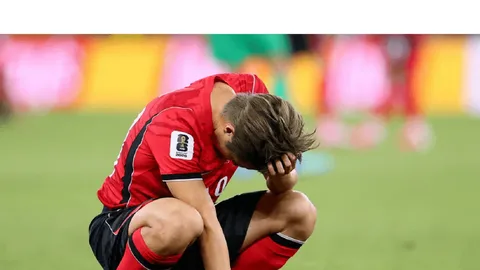
South Korea eliminated from the competition after failing to collect enough points during the group stage. The results left players visibly emotional, while fans expressed frustration over another missed opportunity to compete among the world’s elite football nations.
Although the squad demonstrated determination throughout the tournament, their efforts were not enough to overcome stronger opponents.
High Expectations Before the Tournament
South Korea has traditionally been one of Asia’s strongest football nations. The country has regularly qualified for FIFA World Cups and has produced several internationally recognized footballers competing in Europe’s top leagues.
Supporters believed this generation possessed enough quality to challenge for a place in the Round of 16. Several players entered the tournament after strong club seasons, creating confidence that South Korea could once again become one of Asia’s leading performers.
Football experts also highlighted the team’s technical ability, disciplined style of play, and valuable tournament experience as strengths before the competition began.
Unfortunately, those expectations were not reflected in the final results.
Why South Korea Eliminated from FIFA World Cup 2026
Several factors contributed to South Korea’s disappointing campaign.
Defensive Problems
The defensive line struggled against quick counter-attacks and physical opponents throughout the tournament. Individual errors resulted in crucial goals that changed the momentum of important matches.
Poor communication between defenders also created unnecessary pressure on the goalkeeper during key moments.
Lack of Clinical Finishing
South Korea created several scoring opportunities but failed to convert enough chances into goals.
The attacking players frequently reached promising positions, yet inaccurate finishing prevented the team from taking advantage of those opportunities.
At World Cup level, small margins often determine success or failure, and South Korea paid the price for missed chances.
Tactical Concerns
Football analysts questioned several tactical decisions made during the tournament.Changes in formation, late substitutions, and conservative approaches during critical matches drew criticism from supporters and former national team players.Many believe the coaching staff failed to adapt effectively against stronger opposition.
Strong Competition
South Korea competed against high-quality international teams with greater squad depth and experience.Every match demanded near-perfect performances, and small mistakes were punished immediately.The competitive nature of the FIFA World Cup means even established football nations can be eliminated early.
Fans Demand Major Changes
Following South Korea eliminated from the tournament, supporters began demanding reforms across Korean football.Social media platforms filled with discussions about the future of the national team. Many fans called for improvements in coaching strategies, youth development, and long-term planning.
Others argued that domestic football must become more competitive to prepare future generations for international tournaments.Some supporters also questioned whether changes in leadership could help rebuild confidence before upcoming international competitions.
Reactions from Football Experts
Former international players and football commentators acknowledged the disappointment while encouraging patience.Several experts argued that rebuilding should focus on developing younger players rather than making emotional decisions immediately after elimination.
Others suggested investing further in sports science, coaching education, and tactical innovation to compete consistently against Europe’s and South America’s strongest teams.Many agreed that South Korea still possesses significant football talent capable of future success if properly developed.
Players Reflect on Difficult Tournament
Several members of the South Korean squad expressed disappointment after the final whistle confirmed their elimination.Players thanked supporters for their unwavering encouragement throughout the competition while accepting responsibility for the disappointing results.
Senior squad members emphasized that lessons from this World Cup should become motivation for future improvement.The emotional reaction demonstrated how much representing the national team means to every player wearing the Korean jersey.
South Korea’s Football Legacy
Despite this setback, South Korea remains one of Asia’s most successful football nationsThe country famously reached the FIFA World Cup semi-finals in 2002 while co-hosting the tournament, creating one of the greatest achievements in Asian football history.
South Korea has also qualified for numerous consecutive FIFA World Cups, establishing itself as one of the continent’s most consistent teams.That successful history explains why expectations remain extremely high whenever the national team competes on the global stage.
Lessons for the Future
Football experts believe South Korea can recover from this disappointment by focusing on several priorities.Greater investment in youth academies, tactical flexibility, and player development could strengthen future national teams.Maintaining strong domestic leagues while encouraging talented players to gain experience in Europe’s elite competitions may also improve international competitiveness.
Building squad depth remains another important objective, ensuring injuries or poor form do not significantly weaken the team during major tournaments.
Regional Impact Across Asian Football
South Korea’s exit also affects perceptions of Asian football at the FIFA World Cup.As one of the continent’s leading football nations, South Korea often carries expectations of representing Asian football strongly on the global stage.
Its elimination highlights the growing competitiveness of international football, where even experienced teams face enormous challenges.Other Asian nations may now study South Korea’s campaign to understand areas requiring improvement before future tournaments.
Looking Ahead
Although South Korea exit World Cup headlines reflect disappointment today, attention will soon shift toward rebuilding for future competitions.The national team still possesses talented young players capable of becoming future stars.
Upcoming continental tournaments and qualification campaigns will provide opportunities to rebuild confidence and implement necessary improvements.
Supporters will hope the lessons learned from FIFA World Cup 2026 become the foundation for a stronger and more competitive South Korean team in the years ahead.
Conclusion
South Korea exit World Cup marks a difficult chapter for one of Asia’s most respected football nations. South Korea eliminated from FIFA World Cup 2026 after performances that failed to match expectations, prompting widespread calls for reform and renewed long-term planning.
While disappointment dominates the immediate aftermath, Korean football has repeatedly demonstrated resilience throughout its history. With continued investment in youth development, tactical evolution, and experienced leadership, South Korea has every opportunity to return stronger in future international competitions.
Frequently Asked Questions (FAQs)
What is the 52 hour rule in Korea?
The 52-hour rule in South Korea is a national labor regulation that limits the standard working week to a maximum of 52 hours. This includes 40 regular working hours and up to 12 hours of overtime. The policy was introduced to improve work-life balance, reduce employee burnout, and encourage healthier working conditions across industries. While the rule mainly affects businesses and employees, it has become an important part of South Korea’s broader labor reforms.
Does Korea allow LGBTQ?
Yes, South Korea allows LGBTQ individuals to live openly, and same-sex relationships are legal. However, same-sex marriage is not legally recognized, and comprehensive anti-discrimination protections remain limited. Public attitudes have gradually become more accepting, especially among younger generations, although social challenges and debates over LGBTQ rights continue within Korean society. Advocacy groups continue to push for greater legal recognition and equal protections.
What problems is South Korea facing?
South Korea currently faces several significant challenges beyond football. These include one of the world’s lowest birth rates, an aging population, rising housing costs, economic uncertainty, youth unemployment, and increasing competition in global industries. The country also continues to address security concerns related to North Korea while managing political and social reforms. In football, maintaining international competitiveness and developing the next generation of talented players has become another important national priority following recent tournament disappointments.