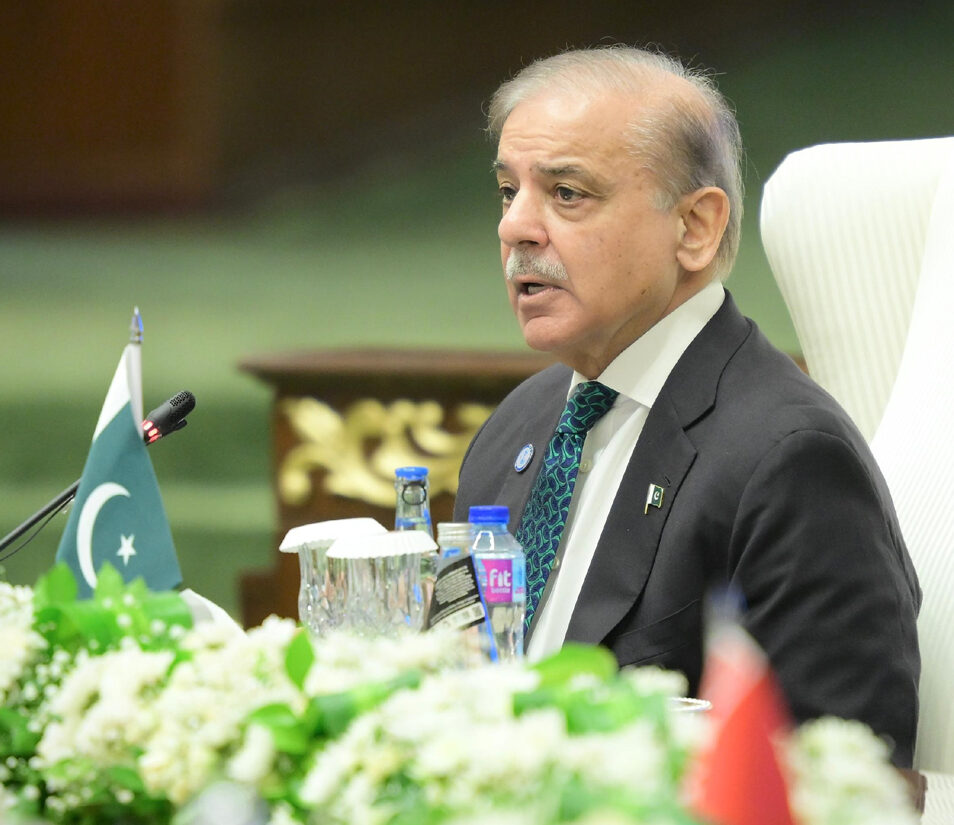
Prime Minister Shehbaz Sharif on Tuesday directed authorities to take effective steps to raise the quality of Pakistani products to international levels. The move is aimed at strengthening Pakistan exports and pushing the country’s goods further into competitive global markets.
The directive came as PM Shehbaz Sharif chaired a review meeting in Islamabad focused on accelerating export growth and broader economic development. Officials from trade and commerce departments attended the session.
Background
Pakistan’s export sector has long depended on a handful of traditional industries, particularly textiles. Successive governments have tried to widen this base, but progress has been slow, and Pakistani products have often struggled to match global export standards in packaging, certification, and consistency.
This latest meeting fits into a wider effort by the government to treat exports as a central pillar of economic recovery. Officials say the country needs a broader mix of sectors selling abroad, not just the same few industries repeating themselves year after year.
Details
During the meeting, PM Shehbaz Sharif said Pakistan export standards must be brought in line with what international buyers expect. He called for a stronger quality assurance system and full compliance with global regulations across export-oriented industries.
The prime minister also asked officials to bring more sectors into export activity. He wants industries beyond textiles and traditional goods prepared to compete abroad, arguing that a wider export base makes the economy less vulnerable to shocks in any single market.
Value addition came up as another priority. Rather than exporting raw or semi-processed goods, PM Shehbaz Sharif wants Pakistani manufacturers to add more processing and finishing at home, which raises both price and competitiveness once goods reach foreign buyers.
Technology and research also featured in the discussion. The prime minister directed that modern tools, research, and innovation be promoted across export industries so local production methods do not fall behind competitors in other countries.
On the administrative side, PM Shehbaz Sharif ordered that bureaucratic and business obstacles facing exporters be removed. He wants the export process itself to move faster and become more transparent, cutting down the paperwork and delays that exporters have long complained about.
Quotes
Speaking at the meeting, the prime minister said measures should be taken to make the quality assurance system more effective and to ensure full compliance with international standards and regulations.
He also stressed that increasing exports should become the foundation of the country’s economic progress going forward, rather than a secondary goal chased alongside other priorities.
Impact
If followed through, these steps could open doors for Pakistani exporters in markets where certification and quality checks currently block entry. Better compliance with global export standards tends to matter more to buyers in Europe and North America than price alone, so this shift could help exporters reach regions they have struggled to enter.
A wider sector base would also cushion the economy. When exports depend heavily on one or two industries, a downturn in global demand for those goods hits the whole trade balance. Spreading exports across more sectors reduces that risk.
For workers and manufacturers, faster and more transparent export procedures could mean fewer delays at ports and customs points, which often add hidden costs to shipments bound for foreign buyers.
Conclusion
The prime minister’s office indicated that follow-up meetings will track progress on these directives. Much depends on how quickly ministries translate the meeting’s instructions into actual policy changes, certification reforms, and support programs for exporters.
For now, the message from Islamabad is clear: Pakistan exports need to catch up with global standards, and officials have been told to move on it.
Frequently Asked Questions
What are the top 5 exports of Pakistan?
Pakistan’s export basket is still led by textiles and related goods, which make up the largest share of the country’s outbound trade. Beyond textiles, the top categories typically include readymade garments and knitwear, cotton and cotton yarn, rice, and leather goods. Surgical instruments and sports goods also contribute a meaningful share, particularly from manufacturing hubs in Punjab. Officials have repeatedly said this list needs to widen, which is part of why the government keeps pushing for diversification into sectors like IT services, pharmaceuticals, and processed food.
What are the export regulations in Pakistan?
Exporters in Pakistan operate under rules set by the Ministry of Commerce, the State Bank of Pakistan for currency and payment matters, and the Federal Board of Revenue for customs and duties. Businesses generally need to register with relevant trade bodies, obtain the required certifications for their product category, and meet documentation standards before goods can clear customs for shipment abroad. Sector-specific bodies also set additional compliance rules, particularly for food, pharmaceuticals, and textiles, where international buyers often demand extra certification. The government has said it wants to simplify these regulations further, since long approval chains have been a recurring complaint from exporters.
What are Pakistan’s exports to the world?
Pakistan sells goods to markets across the globe, with the United States, China, the United Kingdom, and countries in the European Union among its largest buyers. Textiles and garments account for the bulk of this trade, though rice, leather, surgical instruments, and sports equipment also reach international customers. Regional trade with Gulf countries and other South Asian markets adds further volume. Expanding this list of buyer countries, along with the list of products on offer, is now a stated government priority following this week’s directive from the prime minister.