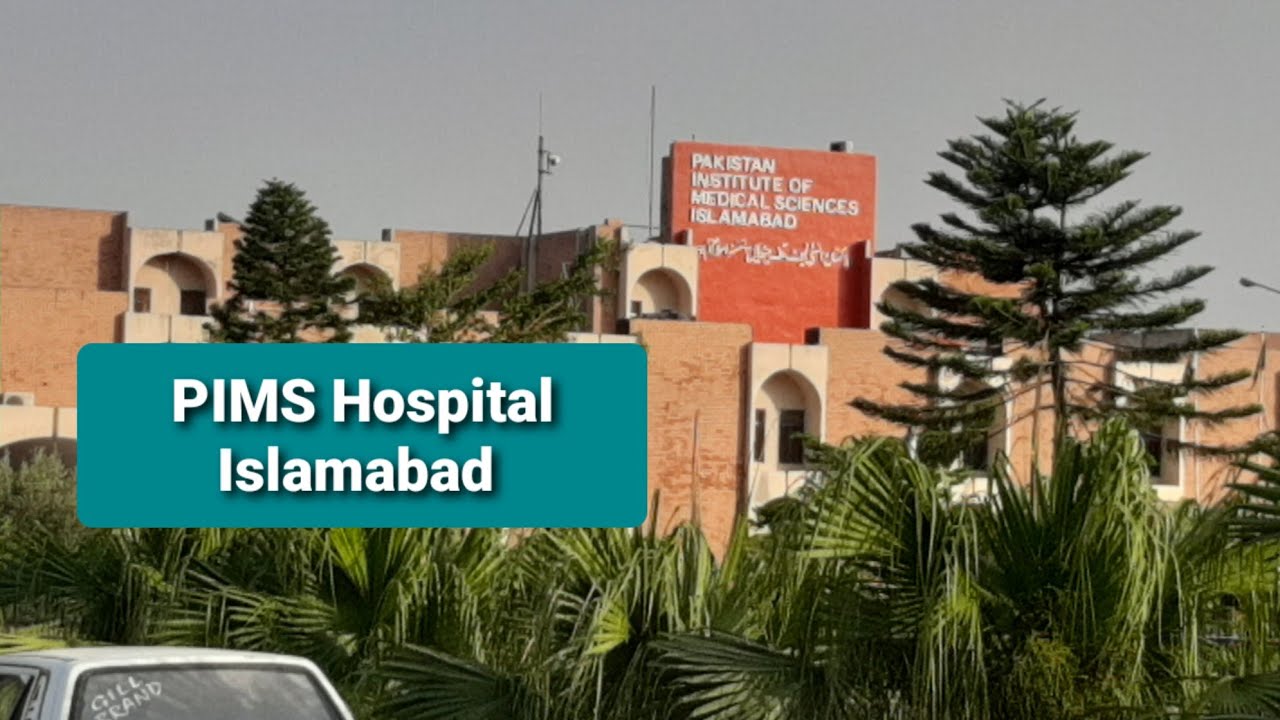
Prime Minister Shehbaz Sharif on Wednesday directed federal health authorities to implement the short-term measures listed in the PIMS inquiry recommendations within three months. The order came days after a 43-page comprehensive report on the deadly nursery fire at the Pakistan Institute of Medical Sciences (PIMS) was submitted to his office.
The directive is the latest step in an ongoing PIMS inquiry into the August 26 blaze that killed 14 newborns at the hospital’s Mother and Child Health ward in Islamabad. Officials say the three-month deadline covers fire safety, electrical audits and evacuation planning, while longer-term structural reforms will follow in later phases.
Background
The fire broke out in the early hours of August 26 in a nursery housing 15 newborns, most of them dependent on oxygen or respiratory support. Only one infant survived. The tragedy triggered nationwide anger and forced the government to move quickly on the PIMS hospital inquiry.
PM Shehbaz formed a five-member committee on the same day, headed by former interior secretary Shahid Khan. The panel was joined later by Dr Rashid A. Chotani as a co-opted member. Its mandate covered the cause of the fire, the emergency response, and the administrative failures behind it.
The committee submitted an interim report within days, leading to the suspension of eight officials, including the hospital’s executive director. Its full findings, released this week, described the disaster as the outcome of “systemic and institutional failure” rather than a single point of negligence.
Details of the PM’s Directive
At Wednesday’s meeting, the prime minister reviewed the inquiry committee’s findings section by section before issuing the implementation order. He told the health ministry that recommendations already accepted must move from paperwork into action, not sit as approved-but-pending items.
Short-Term Safety Measures
The three-month window applies to what the report calls immediate, low-complexity fixes. These include functioning smoke detectors and alarms in high-risk wards, a written and rehearsed neonatal evacuation SOP, and a full electrical audit of legacy hospital buildings.
The health ministry has also been told to set up a compliance mechanism where every flagged deficiency is assigned an officer, a deadline and a method of independent verification. According to the report, a measure only counts as implemented once the underlying hazard is physically removed, not simply approved.
Accountability and Governance Steps
Alongside the safety timeline, PM Shehbaz reiterated that officials found responsible for negligence will face departmental and criminal proceedings. A separate 20-member committee has already been tasked with recommending administrative and governance reforms for PIMS, including a possible Board of Governors.
The inquiry report also flagged the electrical connection near the nursery’s air-conditioning unit as the most likely point of ignition. It recommended a focused technical and criminal probe into who installed, maintained and last certified that circuit.
Quotes
The inquiry committee’s report was blunt about where the fault lies. It found that hospital management failed to turn known risks and earlier warnings into a working safety system, placing what it called the “principal institutional responsibility” on PIMS leadership.
On accountability, the panel made clear that paperwork alone means nothing. A safety fix only counts as done, it said, once the actual hazard is removed and independently checked, not when a file is simply marked approved or in process.
Health Minister Syed Mustafa Kamal, who has been overseeing day-to-day follow-up at PIMS, has said that recommendations from a prime-ministerial committee “must be implemented,” warning that anything less would make the entire exercise pointless.
Impact
For PIMS itself, the three-month deadline means an immediate scramble to fix detection systems, alarms and exit routes across its older buildings, particularly the Mother and Child Health block where the fire occurred. Patients and staff there have raised safety concerns since well before August 26.
The order also has a wider reach. Because the inquiry linked the tragedy to a pattern of unresolved warnings going back to 2015, health authorities are now under pressure to apply similar fire and electrical audits at other public hospitals in Islamabad and beyond.
Politically, the case has become a test of whether inquiry findings in Pakistan translate into real change or fade after the initial outrage. Opposition lawmakers and the Senate’s health committee have both pushed for visible, time-bound follow-through rather than another shelved report.
Conclusion
The next few months will show whether the PIMS reforms move at the pace the prime minister has demanded. The health ministry is expected to submit a consolidated corrective action plan mapping each recommendation to a responsible officer and a hard deadline.
Longer-term changes, including a possible independent safety oversight board and a shift of high-risk services out of ageing buildings, are expected to take longer than three months. Criminal investigations into the electrical fault and the emergency response delay also remain open, with further updates expected as PIMS implementation of the report continues.
Frequently Asked Questions
Is PIMS private or government?
The Pakistan Institute of Medical Sciences is a public sector, government-run tertiary care hospital based in Islamabad. It operates under the federal Ministry of National Health Services and is affiliated with Shaheed Zulfiqar Ali Bhutto Medical University, which trains doctors and nurses on its campus. Because it is government-funded, PIMS is meant to offer subsidised or free treatment to a large share of its patients, unlike private hospitals that charge full commercial rates.
Is PIMS free?
Treatment at PIMS is largely free or heavily subsidised for general ward patients, especially those referred through government health schemes or emergency admissions. However, some diagnostic tests, private ward stays and specialised procedures may carry a fee depending on the department and the patient’s category. Patients are usually advised to check with the hospital’s billing or patient facilitation desk for the exact charges that apply to their treatment.
Is PIMS OPD open on Saturday?
PIMS generally runs limited OPD (outpatient department) services on Saturdays, though the schedule can vary by department and is often reduced compared to weekdays. Emergency services at PIMS remain operational around the clock, seven days a week, regardless of OPD timings. Patients planning a Saturday visit for a specific specialty are advised to confirm timings in advance, since some departments may only offer weekday consultations.