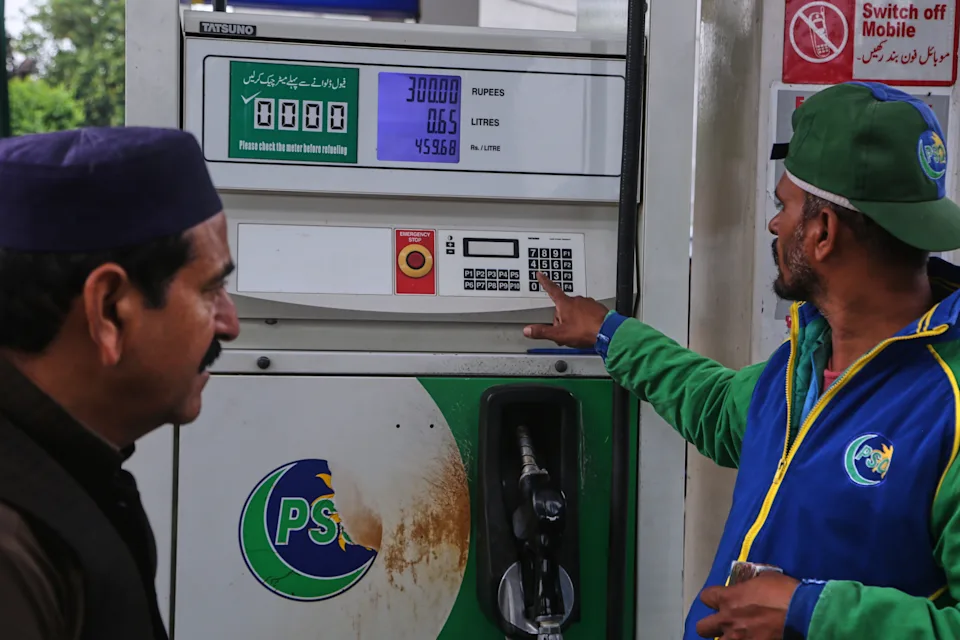
Pakistan’s government has announced yet another increase in petroleum prices, pushing petrol to Rs. 399.86 per litre and diesel to Rs. 399.58 per litre effective May 1, 2026. Simultaneously, gas utility companies SNGPL and SSGC are seeking a massive tariff hike of up to 121% from July 2026. The dual shock of rising petrol prices in Pakistan today and looming gas tariff increases is intensifying pressure on households and businesses across the country.
Background
Pakistan reviews petroleum prices on a bi-weekly or weekly basis, guided by OGRA (Oil and Gas Regulatory Authority) recommendations and the Ministry of Energy’s Petroleum Division. In recent months, global oil market disruptions particularly tensions around the Strait of Hormuz have forced the government into a cycle of frequent and steep fuel price adjustments. The petrol price in Pakistan has climbed sharply throughout 2026, reflecting both international crude volatility and a weakening Pakistani Rupee.
Petrol Price in Pakistan Today – May 1, 2026
The Government of Pakistan has announced a fresh increase in petroleum prices, with the petrol price raised by Rs. 6.51 per litre and diesel increased by Rs. 19.39 per litre, effective May 1, 2026.
Petrol has risen from Rs. 393.35 to Rs. 399.86 per litre, while High-Speed Diesel (HSD) has moved from Rs. 380.19 to Rs. 399.58 per litre, bringing both fuels dangerously close to the Rs. 400 mark.
Here is a quick reference table for current fuel rates:
| Fuel Type | New Price | Change |
| Petrol (MS 92) | Rs. 399.86/litre | ▲ +Rs. 6.51 |
| Diesel (HSD) | Rs. 399.58/litre | ▲ +Rs. 19.39 |
| LPG | Rs. 304.12/kg |
These are the official OGRA-notified rates applicable at PSO and all petroleum outlets nationwide.
Petrol Price in Pakistan – April 25, 2026 Context
Before the May 1 revision, the petrol price in Pakistan on April 25, 2026 stood at Rs. 393.35 per litre, following an earlier hike that had already added significant financial strain. In the previous weekly review, the federal government had raised petrol and high-speed diesel prices by Rs. 26.77 per litre each, making the April-May period one of the most turbulent for fuel pricing in recent memory. Citizens searching for the petrol price in Pakistan on April 25, 2026 would have found rates already elevated ahead of the latest May 1 announcement.
Petrol Price in Pakistan – April 1, 2026 Reference
The petrol price in Pakistan on April 1, 2026 was notably lower than today’s figures. The highest petrol price in Pakistan’s history was recorded at Rs. 458.40 per litre on April 3, 2026, following a brief spike triggered by regional supply disruptions. Since then, rates have moderated but remain at historically elevated levels. This context is crucial for understanding how rapidly petrol prices in Pakistan 2026 have fluctuated.
PSO Petrol Price & Fuel Supply Situation
Pakistan State Oil (PSO), the country’s largest fuel distributor, is now selling petrol at Rs. 399.86 per litre at its retail outlets. PSO’s revised prices are effective from May 1, 2026.
Social media rumors had earlier suggested petrol pump closures between May 1 and May 5, 2026. However, authorities swiftly denied this. The All Pakistan Petroleum Pump Owners Association officially dismissed all rumours of any strike or shutdown, and OGRA also issued a statement rejecting the claims of petrol pump closures as completely false.
Pakistan currently holds sufficient fuel reserves, including 28 days of petrol stock and 34 days of diesel, ensuring an uninterrupted supply to consumers.
Gas Price Hike 2026 – SNGPL and SSGC Seek Massive Tariff Increase
Beyond petrol and diesel, Pakistan’s gas consumers are bracing for another major shock. SNGPL and SSGC have sought OGRA’s approval for up to a Rs. 5,306 per MMBTU increase in average prescribed gas tariff from July 1, 2026, with SSGC alone seeking a 121% increase in prescribed prices.
Business leaders have warned that the effective hike reaches 286% when accumulated shortfalls of over Rs. 545 billion are included, pushing the prescribed gas price to approximately Rs. 6,855 per MMBTU.
The Karachi Chamber of Commerce and Industry and Businessmen Group have strongly opposed these petitions, stating that the SSGC petition converts gas tariffs into a mechanism for recovering historical financial inefficiencies rather than reflecting the actual cost of service.
Quotes – Officials and Experts
Petroleum Division, Ministry of Energy (official statement, April 30, 2026): “There is no truth in claims of fuel station closures. The supply of petroleum products will remain uninterrupted. The propaganda to create panic among the public must be avoided.”
KCCI President Muhammad Rehan Hanif (on gas tariff hike): “We urge OGRA to reject this proposal in the interest of industrial sustainability.”
IMF Consultations: The latest price adjustment follows a virtual interaction between the IMF and Pakistani officials, during which Islamabad confirmed that the country was on track to meet its petroleum levy target of Rs. 1.468 trillion.
Impact Who Bears the Burden?
Petrol is primarily used in private transport, small vehicles, rickshaws, and two-wheelers, and has a direct impact on household budgets, particularly for middle- and lower-middle-income groups. High-speed diesel is widely used in the transport sector and for large generators, making it a key driver of freight costs and inflation.
The diesel price hike of Rs. 19.39 per litre is especially significant. Transport operators have warned that freight and passenger fares are likely to increase, which will in turn push up prices for everyday goods including vegetables, flour, and dairy products. Small businesses restaurants, bakeries, and factories also face sharply higher operating costs.
Authorities reduced the petroleum levy on petrol by Rs. 3.88 to Rs. 103.50 per litre, while a Rs. 28.69 per litre levy was newly imposed on high-speed diesel. This restructuring of the petroleum levy indicates a shift in the government’s revenue strategy toward diesel consumers.
Conclusion What Comes Next?
The petrol price in Pakistan today is at a level that puts enormous pressure on consumers and the broader economy. With both fuel and gas costs rising sharply in 2026, inflationary pressures are expected to remain elevated. OGRA’s decision on the SNGPL and SSGC gas tariff petitions expected ahead of July 1, 2026 will be the next major milestone. If approved even partially, millions of gas consumers across Pakistan will face higher bills starting next fiscal year.
Analysts expect the government to maintain the weekly fuel pricing review mechanism through mid-2026, meaning further adjustments upward or downward are likely depending on international crude oil trends and the Pakistani Rupee’s performance.
FAQs
Q: What will oil prices be in 2026?
Oil prices in 2026 have been highly volatile globally due to geopolitical tensions, including disruptions linked to the Strait of Hormuz. International crude oil touched $122.53 per barrel during peak tensions in early 2026. For Pakistan specifically, OGRA adjusts fuel prices every two weeks or weekly based on these international benchmarks plus domestic taxes and levies. Petrol in Pakistan currently stands at Rs. 399.86 per litre as of May 1, 2026.
Q: What is the price of petrol in Pakistan on March 21, 2026?
On March 21, 2026, petrol prices in Pakistan were lower than today’s levels. Pakistan was in the middle of a period of rising fuel costs throughout early 2026, with prices increasing sharply following global supply concerns. The official OGRA notification for that specific fortnight placed petrol in the range of approximately Rs. 350–370 per litre, though exact figures vary by the precise effective date of the nearest fortnightly notification.
Q: Which country has the cheapest petrol in the world?
Venezuela consistently ranks as the country with the cheapest petrol in the world, heavily subsidized by the government at near-zero prices. Other countries with very low fuel prices include Libya, Iran, and Algeria all major oil-producing nations that heavily subsidize domestic fuel costs. In contrast, Pakistan, which imports most of its petroleum, faces much higher consumer prices influenced by global markets, import costs, and domestic taxes.