

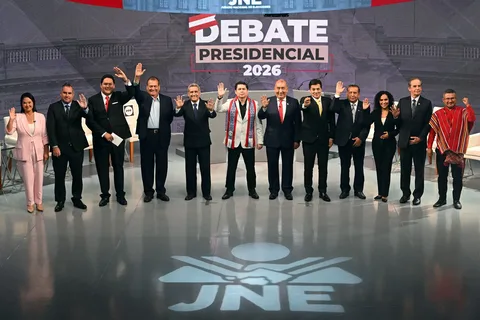

The political situation in Peru now continues to create uncertainty across the country as protests, corruption investigations, and growing public anger dominate national headlines. What is happening in Peru today has become a major concern not only for Latin America but also for global political observers watching the country’s fragile democracy.
Peru political violence has intensified in recent months as political divisions deepen ahead of the upcoming presidential elections. Demonstrations have erupted in several cities, while tensions between government supporters and opposition groups continue to rise. The unstable environment has also increased concerns about political stability in Peru and the future of democratic institutions.
Political Crisis Continues Across Peru
The political situation in Peru now remains highly tense after years of leadership instability, corruption scandals, and public dissatisfaction. Peru has experienced multiple presidential changes in recent years, leaving many citizens frustrated with the political system and government institutions.
Many Peruvians believe the country is trapped in a cycle of political corruption and weak governance. Peru political corruption cases involving former presidents, lawmakers, and senior officials have damaged public trust. Investigations linked to bribery scandals and abuse of power continue to dominate national debate.
At the same time, Peru political parties are struggling to unite voters around clear economic and social policies. Several political groups remain divided, making coalition-building difficult ahead of the next election cycle.
What Is Happening in Peru Today?
What is happening in Peru today reflects years of political instability and economic frustration. Protesters in different regions have demanded reforms, accountability, and stronger economic support from the government. In some areas, clashes between demonstrators and security forces have increased fears of further unrest.
Peru political violence has become one of the most discussed issues in local media as authorities attempt to control demonstrations. Human rights organizations have also expressed concerns about the handling of protests and the use of force during political gatherings.
The situation has affected tourism, investment confidence, and business activity in several parts of the country. International analysts say continued instability could weaken economic recovery efforts and create additional pressure on Peru’s leadership.
Peru Violence 2025 Still Impacts Current Politics
The effects of Peru violence 2025 continue to shape the country’s political climate in 2026. Violent demonstrations and nationwide protests last year left deep political divisions between government supporters and opposition groups.
Many communities are still recovering from economic losses and security concerns caused during previous unrest. Peru violence 2025 also increased demands for political reforms and greater transparency in public institutions.
Analysts say the events of last year created a turning point in Peru’s modern political history. Public anger toward corruption and inequality pushed many young voters to become more politically active ahead of the next elections.
President of Peru 2026 Faces Major Challenges
The debate over the President of Peru 2026 has already become central to national politics. Political leaders are campaigning aggressively as citizens search for candidates capable of restoring political stability in Peru.
Experts believe the next president will face serious economic and security challenges. Inflation, unemployment, public distrust, and political violence are expected to dominate the election agenda.
Some voters are demanding anti-corruption reforms, while others are prioritizing economic growth and social stability. Peru political parties are now attempting to attract undecided voters through promises of institutional reform and stronger governance.
The upcoming election is also expected to test the strength of Peru’s democratic system after years of instability and leadership disputes.
Peru Political Corruption Remains a Major Issue
Peru political corruption continues to be one of the country’s biggest political problems. Over the past decade, several former presidents and high-ranking officials have faced investigations connected to bribery and corruption scandals.
Public frustration has increased as many Peruvians believe corruption has weakened healthcare, infrastructure, education, and economic development. Political experts warn that unless transparency improves, public trust in government institutions may continue to decline.
Anti-corruption activists are demanding stronger judicial independence and accountability measures. International organizations have also encouraged Peru to improve governance systems and strengthen democratic institutions.
Political Stability in Peru Under Pressure
Political stability in Peru remains uncertain as protests, economic concerns, and political rivalry continue to dominate headlines. Business leaders and investors are closely monitoring developments because instability could affect foreign investment and long-term economic growth.
The political situation in Peru now is also impacting regional diplomacy and trade relationships. Neighboring countries are watching closely as Peru prepares for another critical election period.
Security experts believe the risk of additional demonstrations may remain high if political tensions are not reduced through dialogue and reforms. Many citizens are calling for peaceful political solutions and national unity.
International Reaction to Peru’s Crisis
International media and political analysts have increased coverage of Peru political violence due to concerns about democratic stability in South America. Several global organizations have urged political leaders to avoid escalating tensions and protect democratic processes.
Foreign governments are encouraging peaceful negotiations between political groups while monitoring human rights conditions during demonstrations. International observers may also play an important role during the upcoming elections.
The global community views Peru as an important regional economy, making political stability in Peru critical for international trade and regional cooperation.
Future of Peru’s Political Landscape
The coming months may determine whether Peru can restore political stability or face deeper divisions. The President of Peru 2026 will inherit a country dealing with public frustration, economic uncertainty, and growing political polarization.
Despite the challenges, many citizens remain hopeful that reforms and democratic participation can improve the country’s future. Young voters, civil society organizations, and independent activists are increasingly demanding accountability and transparent leadership.
Political experts believe the next election could reshape Peru’s future for years to come. Whether the country achieves stability or faces continued unrest will depend heavily on political leadership and public trust.
FAQs
Are there problems in Peru right now?
Yes, Peru is currently facing several political and social problems. The political situation in Peru now includes protests, political violence, economic concerns, and ongoing corruption investigations involving political leaders. Public dissatisfaction has increased because many citizens feel frustrated with government instability and weak institutional reforms. Security concerns and demonstrations in different regions have also affected business activity and tourism.
Is Peru in a crisis?
Many analysts believe Peru is experiencing a prolonged political crisis. Peru political violence, leadership instability, and public distrust in political institutions have created ongoing uncertainty. The country has seen repeated changes in leadership over recent years, while social protests and political conflicts continue to increase tensions. Economic pressure and political polarization have further deepened the crisis.
Is Peru considered a corrupt country?
Peru has faced major corruption scandals involving former presidents, lawmakers, and senior officials. Peru political corruption remains one of the country’s most serious governance challenges. International anti-corruption organizations have raised concerns about bribery, abuse of power, and weak accountability systems. Although Peru has democratic institutions and active investigations, public trust in political leadership has been damaged by repeated corruption cases.