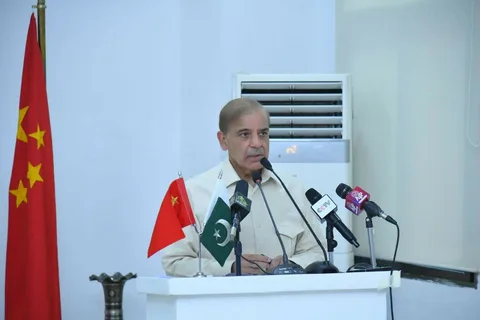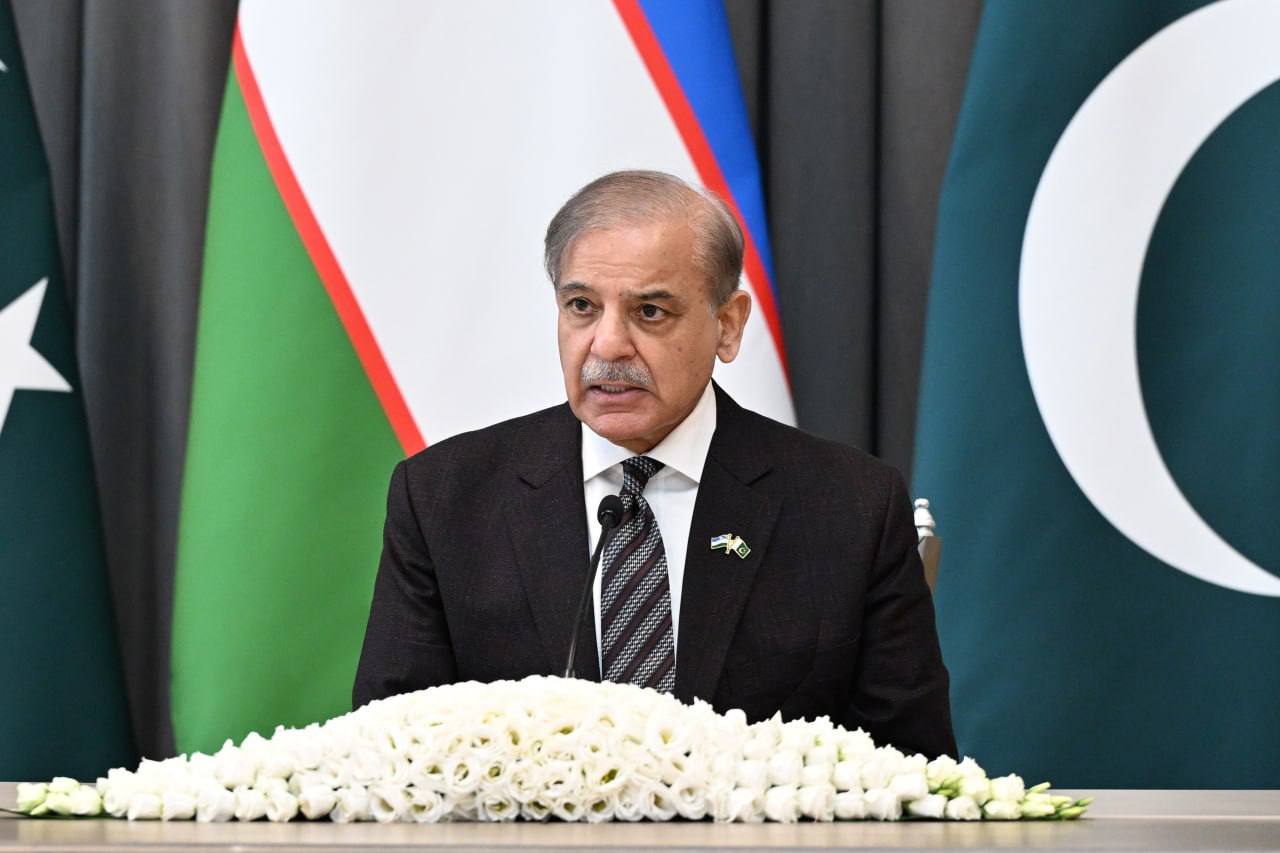
Shehbaz Sharif Begins Three-Day Kyrgyzstan Trip as Pakistan Takes Over SCO Chair.Pakistan’s Prime Minister Shehbaz Sharif left for Bishkek on Monday, opening a three-day visit that runs from August 31 to September 2, 2026. Kyrgyzstan’s President Sadyr Nurgozhoevich Zhaparov extended the invitation, and the trip centres on the Shanghai Cooperation Organisation’s Council of Heads of State meeting.
The Foreign Office confirmed the schedule in a statement issued before departure. It described the visit as combining the SCO summit with a separate round of bilateral talks in the Kyrgyz Republic, and it comes at a moment when Islamabad is stepping into a bigger regional role within the bloc.
Background: Why This Kyrgyzstan Trip Matters for Pakistan
The Shanghai Cooperation Organisation groups China, Russia, Pakistan, India, Kazakhstan, Uzbekistan, Tajikistan and Kyrgyzstan as full members. Together they account for a large share of the world’s population and a substantial slice of global economic output, which is why the annual heads-of-state meeting draws attention well beyond the region.
Pakistan hosted the SCO’s Council of Heads of Government in Islamabad back in October 2024. This year’s Bishkek summit works differently: rather than just attending, Pakistan is set to take over the organisation’s rotating chairmanship, a role it has not held before under the current summit cycle.
Ties between Islamabad and Bishkek go back to 1992, when the two countries formally established diplomatic relations shortly after Kyrgyzstan’s independence. Pakistan opened its embassy in Bishkek in 1995, and the relationship has since grown across trade, education and cultural exchange, even if the volume of business between the two countries remains modest compared with Pakistan’s ties elsewhere in the region.
Full Details: What’s on the Prime Minister’s Schedule
Prime Minister Shehbaz is not travelling alone. Deputy Prime Minister and Foreign Minister Senator Ishaq Dar, Commerce Minister Jam Kamal Khan, Communications Minister Abdul Aleem Khan, and Information Minister Attaullah Tarar are all part of the delegation, along with a group of senior officials.
The itinerary splits roughly into three parts. On August 31, the prime minister is due to attend the opening ceremony of the World Nomad Games, a large multi-sport event that Central Asian nations use to showcase traditional sports and culture. The SCO Council of Heads of State proceedings and the associated SCO Plus Summit then run across August 31 and September 1.
During this stretch, the prime minister will formally take on Pakistan’s chairmanship of the SCO Council of Heads of State for the 2026-2027 term. Reports citing diplomatic sources suggest he is also expected to appear alongside several other heads of state and government at the summit, reflecting the scale of the gathering.
September 2 is set aside for the bilateral leg of the trip. The prime minister is expected to hold direct talks with President Zhaparov covering the broader relationship between the two countries, including trade and investment, energy cooperation, regional connectivity, education, tourism and people-to-people exchanges. Diplomatic sources also point to a possible signing of memoranda of understanding between the two governments during this part of the visit, though the final list of agreements had not been confirmed at the time of writing.
Quotes: What Officials Are Saying
The Foreign Office statement framed the relationship between the two countries in warm terms, describing Pakistan and Kyrgyzstan as sharing a bond rooted in history, faith and cultural affinity, alongside common goals around peace, connectivity and prosperity in Central and South Asia.
It added that the visit gives both sides a chance to build on recent high-level contact and turn political goodwill into practical outcomes, a line that mirrors how the Foreign Office has described previous high-profile visits in the region.
Neither the Prime Minister’s Office nor the Kyrgyz presidency had released a detailed joint statement by the time this article was published, and further remarks are likely once the bilateral meeting on September 2 takes place.
Impact: What This Means for the Region
Pakistan’s move into the SCO chair carries weight beyond the ceremony. Chairing the bloc for a year gives Islamabad a bigger say in setting the agenda around counterterrorism cooperation, connectivity projects and trade facilitation among member states, at a time when several of Pakistan’s neighbours are also SCO members.
For Kyrgyzstan, hosting the summit puts Bishkek in the spotlight as a meeting point for major regional powers, including China and Russia, whose leaders are also expected to take part in various SCO engagements around the same period.
On the bilateral side, a stronger Pakistan-Kyrgyzstan relationship could open up modest but real gains in areas like education exchanges, where Pakistani institutions already host some Central Asian students, and in trade routes that connect Pakistan to Central Asia through Chinese and Central Asian transit corridors.
Conclusion: What Comes Next
The next marker to watch is September 2, when Prime Minister Shehbaz Sharif sits down with President Zhaparov for the bilateral portion of the trip. Any agreements signed that day, along with the tone of the joint statements, will show how much substance sits behind the “warm and fraternal relations” language both sides have used so far.
Beyond the visit itself, Pakistan’s year holding the SCO chair will be judged over the coming months by how it handles the bloc’s agenda, including whatever regional security and connectivity issues come up before the next Council of Heads of State meeting.
Frequently Asked Questions
How many Pakistanis live in Kyrgyzstan?
There is no single, regularly updated public figure for the size of the Pakistani community in Kyrgyzstan, and neither the Pakistani Foreign Office nor Bishkek’s authorities publish a fixed headcount. What is known is that the community is relatively small compared with Pakistani populations in the Gulf states, the United Kingdom or North America. It is largely made up of students enrolled at Kyrgyz medical and technical universities, along with a smaller number of traders and professionals based mainly around Bishkek and Osh. Pakistan’s embassy in Bishkek periodically engages with this community, particularly around consular services and student welfare, but anyone looking for a precise, current number should check directly with the Embassy of Pakistan in Bishkek.
Can Pakistanis travel to Kyrgyzstan?
Yes, Pakistani nationals can travel to Kyrgyzstan, and the visa process is generally considered more accessible than for many Western destinations. Kyrgyzstan has offered simplified entry arrangements, including e-visa options, for citizens of a number of countries in recent years, though requirements can change, so travellers should confirm the current rules through the Kyrgyz e-visa portal or the nearest Kyrgyz diplomatic mission before booking a trip. Direct flight connections between Pakistan and Kyrgyzstan are limited, so most travellers currently route through a connecting hub such as Dubai, Istanbul or a Central Asian transit city. Anyone planning education-related travel, such as medical students, should also check the specific student visa category rather than relying on standard tourist entry rules.
Who is the current Pakistani ambassador to Kyrgyzstan?
Altamash Wazir Khan serves as Pakistan’s Ambassador to the Kyrgyz Republic, having been appointed to the post by Pakistan’s Ministry of Foreign Affairs. As head of mission in Bishkek, his role covers the usual range of ambassadorial duties: representing Pakistan’s government in dealings with Kyrgyz officials, supporting trade and educational links between the two countries, and providing consular assistance to Pakistani nationals living in or visiting Kyrgyzstan. The Embassy of Pakistan in Bishkek is the main point of contact for Pakistani citizens who need passport, visa or emergency consular support while in the country.