Pakistan’s approach to climate change is undergoing a serious transformation. For years, the country framed its climate vulnerability as a reason to demand international aid. Finance Minister Muhammad Aurangzeb has acknowledged that the era when the world could be expected to step in generously after a climate disaster is effectively over.
This marks a major Pakistan climate policy shift from reactive disaster management to proactive governance and domestic responsibility.
Background Why Pakistan Needed a New Climate Stance
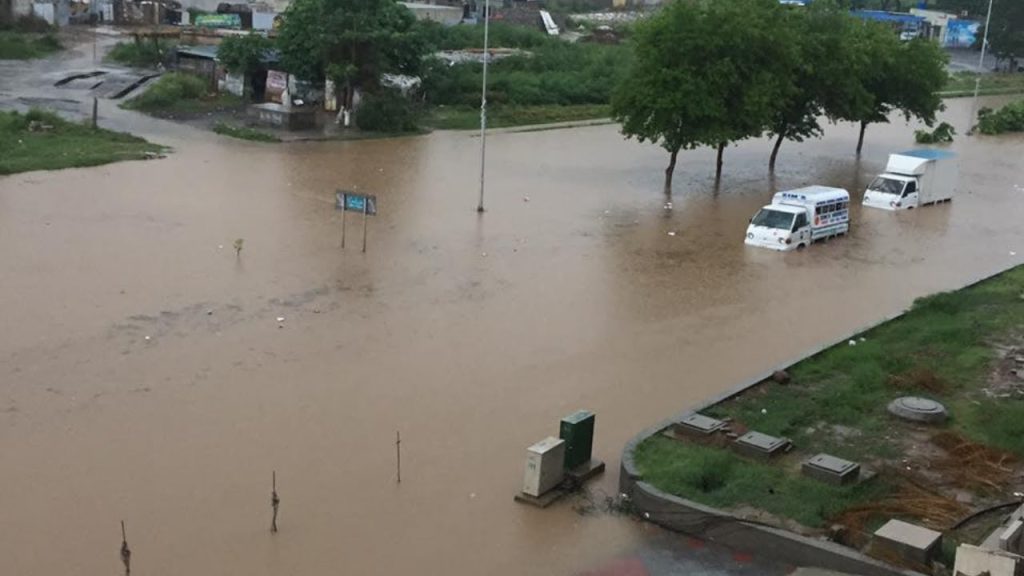
Pakistan contributes less than one percent to global greenhouse gas emissions, yet it ranks among the world’s most climate-vulnerable nations. Devastating floods, extreme heatwaves, and glacial melting have repeatedly exposed the country’s weak climate infrastructure.
The National Climate Change Policy Pakistan 2021 laid the groundwork for long-term adaptation and mitigation strategies. However, implementation remained slow, and the country continued to lean heavily on foreign pledges and donor support after every disaster.
The 2022 super-floods were a turning point. Billions of dollars were pledged for rehabilitation after the 2022 floods, but only a fraction materialised. That bitter experience proved that international sympathy alone cannot substitute for strong domestic climate policy.
What Is the Objective of Pakistan’s Climate Change Policy?
The objective of the Pakistan climate change policy as outlined in both the National Climate Change Policy 2021 and subsequent frameworks is to mainstream climate resilience across all sectors of national development. These goals include reducing carbon emissions, adapting to the impacts of climate change, protecting ecosystems, and mobilising both domestic and international finance for green projects.
The Pakistan Climate Change Act further reinforces these goals by establishing institutional mechanisms to coordinate government-wide climate action. It created the Pakistan Climate Change Authority and the Pakistan Climate Change Council to ensure policy implementation does not remain on paper.
The 2024 and 2025 updates to Pakistan’s climate framework focus specifically on accessing global green finance, building governance credibility, and integrating climate risk into national budgeting.
The 2025 Climate Policy Shift What Changed?
At the Breathe Pakistan Climate Conference in May 2026, Finance Minister Aurangzeb delivered remarks that signal a clear departure from past attitudes. His remarks were an admission that Pakistan must first demonstrate seriousness at home before looking for external help a welcome shift in the official tone.
This is a critical evolution in the Pakistan climate change policy 2024–2025 cycle. The government is now publicly accepting that global climate finance will not come automatically. Countries must earn access by demonstrating policy consistency, institutional readiness, and bankable green project pipelines.
Wealthy nations are preoccupied with wars, energy transitions, and domestic pressures. Foreign assistance today is increasingly driven by strategic interests rather than humanitarian concerns. Pakistan can no longer afford to wait for generosity it must build credibility.
The Challenge of Accessing Global Climate Finance
One of the biggest obstacles Pakistan faces is not the absence of global climate funds it is the country’s inability to access them. The availability of global climate finance is not the issue. It exists through green funds, sustainability-linked instruments, concessional windows, and private capital markets. The problem is Pakistan’s inability to access it.
Inconsistent policy frameworks and macroeconomic instability have historically kept Pakistan from attracting long-term green investment. Investors and multilateral institutions examine fiscal sustainability, debt vulnerabilities, and governance structures before committing long-term funds.
This is why the Pakistan climate change policy 2025 places strong emphasis on macroeconomic stability as a precondition for climate finance access.
Key Quote Finance Minister Aurangzeb at Breathe Pakistan
At the Breathe Pakistan Climate Conference, Finance Minister Aurangzeb stressed that the responsibility for unlocking climate finance now lies with Pakistan itself. He described macroeconomic stability as “basic hygiene” for attracting green investment, signaling that climate policy and fiscal discipline are no longer separate conversations.
His remarks represent the strongest government-level acknowledgment yet that Pakistan’s climate change policy must shift from a posture of vulnerability to one of institutional preparedness and credibility.
Proposal for a Specialised Climate Bank
One of the most significant ideas discussed at the conference was the creation of a dedicated climate financing institution. Our financial system is geared towards short-term, risk-averse lending, while climate adaptation and green infrastructure require patient, long-term capital
A climate bank could bridge this gap. An institution dedicated to green financing could help the private sector transition and expand financing access for homes and businesses investing in adaptation, resilience, and clean energy.
Global trends support this direction. Green bonds, sustainability-linked financing, and carbon markets are becoming mainstream tools of climate finance and Pakistan needs dedicated institutions to participate in these markets effectively.
Impact Regional and Global Significance
Pakistan’s climate policy shift carries significance beyond its borders. As one of the most climate-affected nations in South Asia, how Pakistan manages its climate governance has implications for regional stability, migration patterns, and international development finance.
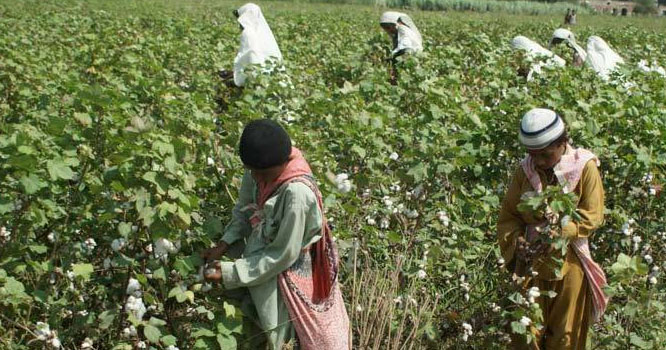
Climate risk cuts across agriculture, industry, water management, energy, urban infrastructure, public health, and fiscal planning. A serious, whole-of-government approach to the National Climate Change Policy Pakistan 2025 could position Pakistan as a model for other developing nations facing similar challenges.
Moreover, Pakistan’s move toward domestic accountability could influence how global climate funds are structured for vulnerable countries shifting from post-disaster charity to pre-agreed investment frameworks.
Conclusion What Comes Next for Pakistan’s Climate Future?
The Pakistan climate policy shift underway in 2025 and 2026 is promising, but challenges remain enormous. Strong words at conferences must be followed by consistent legislative action, budget allocations, and institutional reform.
The Pakistan Climate Change Act, the National Climate Change Policy 2021, and upcoming 2025 policy updates all provide a solid legal and strategic foundation. The real test is implementation. Unless the climate challenge is integrated into mainstream budgeting and development strategies, the vulnerabilities will worsen.
Pakistan is at a crossroads. The shift in official tone is a necessary first step. The country’s ability to translate that tone into action and to build the governance credibility that global green finance demands will define its climate future for decades to come.
Frequently Asked Questions (FAQs)
Q1: What is the latest climate change policy of Pakistan?
Pakistan’s latest climate change policy framework is being updated under the 2024–2025 cycle. It builds on the National Climate Change Policy 2021 and focuses on macroeconomic stability, green finance access, and a whole-of-government approach to climate adaptation and mitigation.
Q2: What is Pakistan’s first climate change policy?
Pakistan’s first formal National Climate Change Policy was launched in 2012. It provided the initial framework for addressing climate risks across key sectors. The policy was later updated significantly in 2021 to align with Pakistan’s international climate commitments and the Paris Agreement goals.
Q3: What are the top 3 countries contributing to climate change?
The three largest contributors to global greenhouse gas emissions are China, the United States, and India. Together, these three nations account for more than half of the world’s total carbon dioxide emissions. Pakistan, by contrast, contributes less than one percent yet faces disproportionately severe climate impacts.