After a brutal summer, relief is on the way. The Pakistan Meteorological Department expects the 2026 monsoon to arrive during the first week of July, bringing widespread rainfall across Sindh, Punjab, KP, Balochistan, and the northern regions. For most of the country, it can’t come soon enough but the same rains that cool things down also bring flooding risks that authorities are already preparing for.
Why This Monsoon Matters More Than Usual
The summer of 2026 has been rough. Temperatures across southern and central Pakistan have been running significantly above seasonal averages, heat-related illnesses have been reported across multiple districts, and electricity demand has been pushed to its limits.
The pre-monsoon season was relatively weak in many areas, which means the main southwest monsoon arrival carries even more weight this year for agriculture, for reservoirs, for water supplies, and frankly for the millions of people who have been enduring the heat.
The monsoon winds come from two directions the Arabian Sea and the Bay of Bengal and they usually reach southern Pakistan first, in early July, before pushing north into Punjab, KP, and the mountainous regions over the following weeks.
What PMD Is Actually Forecasting
The Pakistan Meteorological Department has flagged something worth paying attention to this year: the possibility that a westerly weather system could interact with the incoming monsoon flow.
When that happens, rainfall intensity increases sometimes significantly. It’s the kind of combination that produces not just steady rain but thunderstorms, heavy isolated downpours, and the kind of intense rainfall events that cause urban flooding when drainage systems can’t keep up.
Meteorologists are watching the atmospheric setup carefully. The forecast is for widespread rain across most of the country, but the interaction between systems could push conditions in some areas toward the heavier end of what’s expected.
Sindh: What to Expect
Sindh gets the first wave, and most districts are expected to see moderate to heavy rainfall during July.Karachi, Hyderabad, Sukkur, Larkana, Badin, Thatta, Mirpurkhas, Jacobabad, Nawabshah, and Dadu are all in the forecast zone. Expect thunderstorms alongside the rain, and gusty winds during the heavier spells.
For farmers, a timely monsoon is good news cotton, rice, and sugarcane crops across Sindh depend on seasonal rainfall, and the prolonged heat has created pressure on agricultural outputs.For city residents, particularly in Karachi, the picture is more complicated.
Karachi: The City That Floods
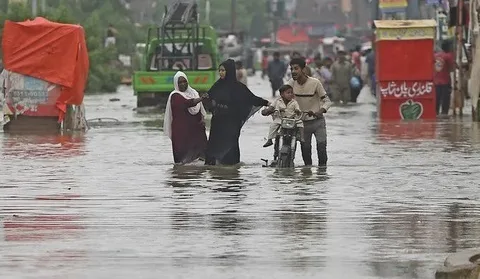
Karachi’s relationship with the monsoon is famously difficult. The city has seen repeated urban flooding during previous seasons because its drainage infrastructure simply wasn’t built to handle intense rainfall concentrated over short periods.
This July, weather officials expect multiple rain spells moderate rainfall in many areas, with heavier isolated downpours possible, thunderstorms, strong winds, and the road waterlogging that Karachi residents know all too well.
Civic authorities are expected to be on alert ahead of the first significant spell. Residents are being advised to avoid unnecessary travel during intense rainfall periods and to stay away from flooded roads which is advice that saves lives but doesn’t always get followed.
The drainage challenge in Karachi isn’t something that gets solved between monsoon seasons. But better preparation and faster response makes a real difference in how bad the flooding gets.
Lahore and Punjab
Punjab generally welcomes the monsoon enthusiastically rice cultivation depends on it, irrigation resources benefit from it, and the temperature drop is welcomed by everyone.
Lahore is forecast to receive several spells of moderate to heavy rainfall during July. The city often experiences strong thunderstorms as systems move north from Sindh and southern Punjab and strengthen over central Punjab.
Authorities have been advised to prepare drainage systems before the heavy rains hit an advisory that arrives every year and gets acted on to varying degrees.
Beyond Lahore: Faisalabad, Gujranwala, Rawalpindi, Sialkot, Multan, Bahawalpur, Sargodha, and Sheikhupura are all expected to see significant rainfall. Some northern districts may receive heavier totals because of the interaction between monsoon winds and western weather systems.
Northern Pakistan: Beautiful, But Be Careful
The mountainous regions of KP and the north get some of the country’s most dramatic monsoon rainfall and the most dangerous.
Peshawar, Abbottabad, Swat, Chitral, Mansehra, Kohat, Malakand, Murree, Azad Kashmir, and Gilgit-Baltistan are all in the forecast. The scenery during and after monsoon rains in these areas is genuinely stunning.
But heavy rainfall over mountainous terrain increases the risk of flash floods, landslides, and river surges risks that have caused significant casualties and damage in previous monsoon seasons. The terrain amplifies rainfall intensity in ways that flat areas don’t experience.
If you’re planning travel to northern Pakistan this July, monitoring official weather updates before and during your trip isn’t optional it’s necessary. Conditions can change fast.
Balochistan
Balochistan typically receives less monsoon rainfall than Sindh or Punjab, but that doesn’t mean it escapes entirely.Quetta, Zhob, Barkhan, Khuzdar, Lasbela, and Sibbi are all in the forecast zone. Totals will likely be lower than in other provinces, but isolated heavy showers remain possible and local flooding can occur even when overall rainfall is modest.
The Agricultural Picture
For Pakistan’s farming sector, this monsoon carries significant weight.A well-distributed monsoon supports rice cultivation, cotton production, and sugarcane growth across multiple provinces. Groundwater recharge benefits both agriculture and drinking water supplies. Soil moisture levels that have been depleted by the prolonged heat get restored.
Agricultural economists generally see a good monsoon as positive for rural incomes and crop yields. The concern is the other side of the coin excessive rainfall concentrated over short periods can damage standing crops, flood fields, and wash away infrastructure that farming communities depend on.
The ideal is a well-distributed monsoon that brings enough rain without concentrating it in damaging bursts. Whether that’s what Pakistan gets in 2026 will depend on how the season actually develops once it’s underway.
What Authorities Are Asking People to Do
Provincial disaster management agencies have issued preparedness advisories across the country.For local administrations: clean drainage systems now, monitor rivers and streams, issue public advisories early, prepare emergency response teams, and keep close watch on low-lying vulnerable areas.
For residents: avoid crossing flooded roads this causes deaths every monsoon season and it’s preventable. Stay informed through official PMD bulletins rather than social media rumors about rainfall severity. Keep an eye on your surroundings during heavy spells, especially if you’re in a low-lying area.
The Climate Context
Pakistan’s monsoon doesn’t happen in isolation. It’s part of the world’s largest seasonal weather system, affecting hundreds of millions of people across South Asia.
What’s been changing in recent years is that climate variability is making extreme rainfall events more intense and more concentrated. The same amount of total seasonal rainfall can cause more damage when it arrives in fewer, heavier bursts rather than spreading across many moderate spells. That’s the pattern that has made recent monsoon seasons increasingly difficult for Pakistan’s urban infrastructure and farming communities to manage.
The 2026 forecast is for widespread rainfall, which is what Pakistan needs. Whether it delivers in a way that’s manageable or in a way that overwhelms response capacity depends on atmospheric dynamics that will only become clear as the season unfolds.
FAQs
What’s the monsoon situation looking like in India in 2026?
India’s southwest monsoon has been advancing on its seasonal trajectory, bringing widespread rainfall across central, western, and northern states. Indian meteorological agencies are tracking conditions that suggest above-normal rainfall in several regions, though distribution will vary. Heavy localized events remain possible throughout the season, as they do every year.
Is July actually hotter than June in Pakistan?
For most of Pakistan, no July is generally cooler than June because the monsoon rains reduce temperatures and increase cloud cover. The trade-off is significantly higher humidity, which has its own discomfort. Between rain spells in southern cities, conditions can still feel hot and humid. But the intense heatwave conditions that define June typically ease once the monsoon establishes itself in July.
Does it actually rain in July across Pakistan?
Yes July is traditionally Pakistan’s wettest month. Most regions receive multiple rounds of rainfall during the peak monsoon period. The amounts vary by location and by the specific weather systems that develop, but Sindh, Punjab, Islamabad, KP, and Azad Kashmir can all expect significant rainfall. July is the month the whole country has been waiting for after the heat of May and June.