The Middle East war impact on trade is becoming increasingly visible as ongoing regional tensions disrupt shipping routes, raise energy costs, and create uncertainty across international markets. Countries that depend heavily on imports, exports, and overseas remittances are closely monitoring developments in the region.
Pakistan is among the nations likely to experience economic consequences if instability continues. Rising fuel prices, supply chain disruptions, and slower export activity could place additional pressure on businesses and consumers. Economists warn that prolonged conflict may affect trade volumes and increase inflationary risks.
As governments and businesses prepare for potential disruptions, the Middle East conflict impact on global economy is emerging as one of the most significant economic concerns of 2026.
Background: Why the Middle East Matters for Global Trade
The Middle East occupies a strategic position in global commerce. Some of the world’s most important shipping lanes pass through the region, including the Strait of Hormuz and routes connecting Asia, Europe, and Africa.
A significant portion of global oil and gas exports originates from Middle Eastern countries. Any military escalation can affect transportation networks, increase insurance costs for cargo shipments, and create uncertainty in commodity markets.
The current conflict has renewed concerns about maritime security, energy supplies, and international trade stability. As a result, businesses worldwide are reassessing supply chains and transportation plans.
How the War in the Middle East Is Affecting Energy Trade and Finance
One of the biggest concerns is how the war in the Middle East is affecting energy trade and finance. Energy markets are highly sensitive to geopolitical developments, particularly in regions responsible for large-scale oil production.
Whenever tensions rise, investors fear possible disruptions to oil exports. This often leads to higher crude oil prices, increasing fuel costs for industries, transportation companies, and households.
Financial markets also react quickly. Investors typically move funds toward safer assets during periods of uncertainty, resulting in volatility across stock exchanges and currency markets.
Banks, insurers, and shipping companies often face higher operating costs due to increased security measures and risk assessments. These factors contribute to broader economic uncertainty.
Middle East War Impact on Trade in Pakistan
The Middle east war impact on trade in pakistan could be substantial if regional instability continues over an extended period. Pakistan maintains strong economic ties with several Middle Eastern countries through trade, remittances, and energy imports.
Pakistan imports a significant portion of its petroleum products from the region. Any increase in global oil prices directly affects domestic fuel costs, transportation expenses, and electricity generation.
Exporters may also face challenges if shipping costs rise. Higher freight charges can reduce competitiveness in international markets and increase business expenses.
Additionally, millions of Pakistanis work in Gulf countries. Economic slowdowns in the region could potentially influence remittance flows, which remain an important source of foreign exchange for Pakistan.
Shipping Routes Under Pressure
Global shipping companies closely monitor developments in the Middle East because many major trade routes pass through the region.
Increased security risks can force vessels to alter routes or pay higher insurance premiums. These additional costs are often passed on to businesses and consumers through higher prices.
Supply chain delays may affect industries ranging from manufacturing and retail to agriculture and technology. Companies that rely on imported raw materials could experience production challenges if disruptions continue.
The Middle East war impact on trade is therefore not limited to the region itself but extends to economies across the world.
Impact on Pakistan’s Export Sector
Pakistan’s export sector could face indirect consequences from prolonged instability. Export-oriented industries depend on predictable shipping schedules and stable transportation costs.
Textiles, agricultural products, and manufactured goods could become more expensive to transport if maritime security concerns intensify.
Businesses may also face challenges in planning future contracts due to uncertainty regarding freight rates and delivery timelines.
While Pakistan’s export markets remain diversified, continued regional tensions could affect overall trade performance during the coming months.
Middle East Conflict Impact on Global Economy
The Middle East conflict impact on global economy extends beyond energy markets. Investors, governments, and multinational corporations all closely follow developments because of the region’s strategic importance.
Higher oil prices can contribute to inflation worldwide. Central banks may respond with tighter monetary policies, potentially slowing economic growth.
Developing countries often face greater challenges because they spend larger portions of national income on energy imports. Rising import costs can weaken currencies and increase fiscal pressures.
At the same time, businesses may postpone investments until economic conditions become more predictable. This cautious approach can reduce overall economic activity.
How Will a War in the Middle East Affect the Stock Market?
A common question among investors is: How will a war in the Middle East affect the stock market?
Historically, geopolitical conflicts create short-term market volatility. Investors tend to react quickly to uncertainty, leading to fluctuations in stock prices.
Energy companies sometimes benefit from rising oil prices, while sectors dependent on fuel and transportation may face higher costs.
Technology, manufacturing, and consumer-focused industries can experience varying impacts depending on supply chain exposure and overall economic conditions.
Although markets often recover over time, prolonged conflicts can create sustained uncertainty that influences investment decisions globally.
Middle East War Economic Impact on Businesses
The broader Middle East war economic impact affects businesses of all sizes. Companies involved in international trade must manage rising transportation expenses, changing market conditions, and fluctuating commodity prices.
Small and medium-sized enterprises may face greater challenges because they typically have fewer resources to absorb unexpected cost increases.
Large multinational corporations often diversify suppliers and logistics networks to reduce risk, but even these organizations remain vulnerable to major geopolitical disruptions.
Economic analysts continue to monitor trade flows and energy markets for signs of longer-term structural changes.
Potential Effects on Inflation
Inflation remains a major concern during periods of geopolitical instability. Higher oil prices generally increase transportation and production costs across multiple industries.
As businesses face increased expenses, many pass these costs on to consumers. This can lead to higher prices for food, transportation, household goods, and other essential products.
For developing economies, inflationary pressures can create additional challenges for policymakers seeking to maintain economic stability.
The Middle East war impact on trade therefore has consequences that extend beyond shipping and energy markets.
Can War Have Positive Economic Effects?
Many people ask, How does war affect the economy positively?
While wars generally create economic uncertainty and human suffering, some sectors may experience short-term gains. Defense industries, energy producers, and certain manufacturing sectors can sometimes benefit from increased demand.
Infrastructure reconstruction efforts after conflicts may also generate economic activity and employment opportunities.
However, economists generally agree that the long-term costs of war often outweigh temporary economic benefits. Disrupted trade, damaged infrastructure, inflation, and reduced investment can create lasting economic challenges.
What Businesses Are Watching Next
Businesses worldwide are closely monitoring several developments:
- Stability of major shipping routes
- Global oil and gas prices
- Insurance costs for cargo transportation
- Trade volumes between Asia, Europe, and the Middle East
- Economic growth trends in Gulf countries
- Currency market fluctuations
These factors will play an important role in determining the future economic impact of the conflict.
Conclusion
The Middle East war impact on trade is becoming a significant concern for governments, businesses, and consumers around the world. From rising energy prices to shipping disruptions and market volatility, the effects are already being felt across multiple sectors.
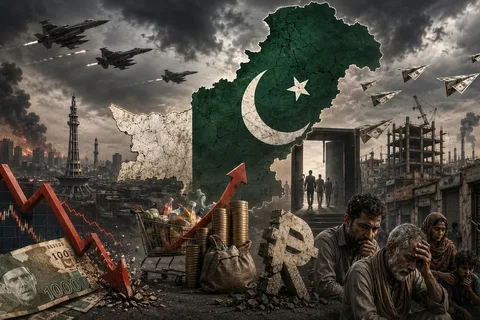
For Pakistan, continued instability could influence fuel costs, export performance, inflation, and overall economic growth. The Middle east war impact on trade in pakistan remains closely linked to developments in regional energy markets and trade corridors.
As policymakers and businesses adapt to changing conditions, the global economy will continue to watch how the conflict evolves. The coming months are likely to determine whether current disruptions remain temporary or develop into a longer-term economic challenge.
FAQs
Why is the Middle East important for trade?
The Middle East is one of the world’s most strategically important trade regions because it connects Asia, Europe, and Africa through major maritime routes. A large share of global oil and natural gas exports also originates from Middle Eastern countries. Any disruption in the region can affect shipping costs, energy supplies, and international trade flows, making it a critical hub for the global economy.
Should we buy stocks during war?
Investing during wartime depends on individual financial goals, risk tolerance, and market conditions. Wars often create short-term volatility, causing stock prices to fluctuate significantly. Some investors view market declines as buying opportunities, while others prefer to wait until uncertainty decreases. Financial experts generally recommend focusing on long-term investment strategies rather than making decisions based solely on geopolitical events.
Who owns 90% of the stock market today?
In many developed economies, particularly the United States, stock ownership is heavily concentrated among wealthier households. Various studies have shown that a large majority of stocks are owned by the top percentage of investors through direct holdings, retirement accounts, mutual funds, and institutional investments. However, exact ownership percentages change over time depending on market conditions and investment trends.
How is the Middle East conflict impacting Pakistan’s economy?
Pakistan may face higher fuel import costs, increased inflationary pressure, and elevated shipping expenses if regional tensions continue. Exporters could also experience logistical challenges, while fluctuations in remittances from Gulf countries may affect foreign exchange reserves. The overall impact depends on the duration and intensity of the conflict.
How the war in the Middle East is affecting energy trade and finance?
The conflict has increased uncertainty in global energy markets, causing oil prices to react sharply to geopolitical developments. Financial markets also experience volatility as investors seek safer assets during periods of instability. Higher energy prices can influence inflation, trade costs, and economic growth worldwide.