
Israel Iran War Miscalculation Raises Urgent Strategic Questions
The question of whether Israel committed a fundamental Israel Iran war miscalculation by launching military operations against Iran has become one of the most debated strategic questions of 2026. As the conflict has evolved far beyond what many Israeli planners apparently anticipated the Israel Iran war miscalculation debate has intensified among military analysts, political scientists, and foreign policy experts worldwide. What was expected by some to be a swift and decisive military campaign has instead drawn Israel into a prolonged and costly confrontation that has tested the limits of Israeli military power and diplomatic support.
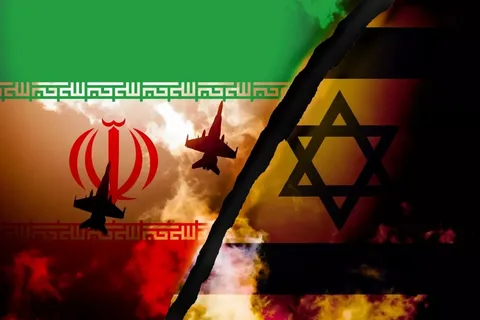
Background: What Led to the Israel Iran War Miscalculation
To understand the Israel Iran war miscalculation it is essential to examine the strategic calculations that led Israel to launch its military campaign against Iran in the first place. Israeli military and political leadership had long argued that Iran’s nuclear programme and its support for regional proxy forces represented an existential threat that could not be allowed to continue indefinitely.
The decision to strike Iran was based on a set of assumptions about Iran military power vs Israel that turned out to be significantly flawed. Israeli planners apparently believed that Iran’s air defences could be rapidly degraded, that Iran’s retaliatory capabilities were limited, and that the US-Iran war dynamic would quickly draw Washington into full military support of Israel’s campaign. Each of these assumptions has been challenged by the actual course of events since the conflict began.
Details: How the Israel Iran War Miscalculation Unfolded
The Israel Iran war miscalculation became apparent within the first weeks of the conflict when Iranian retaliatory strikes proved far more sophisticated and damaging than Israeli intelligence assessments had suggested. The assessment of Iran military power vs Israel held by many Western analysts had underestimated the degree to which Iran had developed its missile, drone, and cyber warfare capabilities during years of preparation for exactly this kind of confrontation.
Iran’s response to Israeli strikes demonstrated a level of military sophistication that caught many observers off guard. The Iran military power vs Israel balance proved to be far more contested than pre-war assessments had indicated with Iranian forces showing the ability to strike Israeli territory, regional bases, and maritime assets with a precision and volume that exposed significant gaps in Israeli and allied defence systems.
US-Iran War Dimension Complicates the Conflict
The US-Iran war dimension has added enormous complexity to the conflict and represents another area where the Israel Iran war miscalculation appears to have been significant. Israeli planners may have assumed that the United States would be drawn quickly and fully into the conflict on Israel’s side creating a decisive US-Iran war scenario that would overwhelm Iranian defences and bring a rapid conclusion.
Instead the US-Iran war dynamic has been characterised by careful American calibration with Washington providing significant intelligence and defensive support to Israel while stopping short of the full offensive US-Iran war engagement that might have decisively altered the military balance. This restrained US-Iran war posture has left Israel bearing more of the military burden than may have been anticipated in the original strategic planning.
The US-Iran war question has also created significant political divisions within the United States with domestic opposition to deeper military involvement complicating the Biden and subsequently the Trump administration’s ability to fully commit to a US-Iran war footing that Israel had perhaps counted on.
Iran Military Power vs Israel: A Reassessment
The conflict has forced a fundamental reassessment of Iran military power vs Israel across military establishments worldwide. The Iran military power vs Israel equation that existed on paper before the conflict has been significantly revised by the actual performance of Iranian forces in combat conditions.
Iran military power vs Israel comparisons had traditionally favoured Israel heavily in terms of conventional air power, technological sophistication, and nuclear capability. However the Iran military power vs Israel balance in asymmetric warfare, missile saturation attacks, drone swarms, and proxy force coordination has proven to be far more even than pre-war estimates suggested.
Iran military power vs Israel assessments must now account for Iran’s demonstrated ability to absorb significant strikes while maintaining retaliatory capacity, to coordinate attacks across multiple fronts through allied proxy forces, and to sustain a prolonged conflict without the rapid collapse of military capability that Israeli planners may have anticipated.
Expert Quotes on Israel Iran War Miscalculation
Military analysts examining the Israel Iran war miscalculation have noted that Israeli intelligence appears to have overestimated the vulnerability of Iranian infrastructure and underestimated the resilience and depth of Iran’s retaliatory arsenal. Experts stated that the Israel Iran war miscalculation reflects a broader pattern in modern warfare where technologically superior forces consistently underestimate the adaptive capacity of determined adversaries.
Strategic affairs scholars commenting on the US-Iran war dimension argued that Israel’s planners may have fundamentally misread American political will to engage in a full US-Iran war given the domestic and international costs involved. Analysts assessing Iran military power vs Israel noted that decades of sanctions and isolation paradoxically strengthened Iran’s determination to develop indigenous military capabilities specifically designed to counter Israeli and American technological advantages.
Former intelligence officials commenting on the Israel Iran war miscalculation pointed to failures in assessing Iranian civilian resilience, political cohesion, and the effectiveness of the regime’s ability to mobilise national resistance in the face of external attack.
Impact of Israel Iran War Miscalculation on the Region
The Israel Iran war miscalculation has had profound consequences for the entire Middle East region and beyond. Rather than producing the swift strategic victory that may have been envisioned the conflict has destabilised multiple countries simultaneously drawn in regional actors on multiple sides and created a humanitarian catastrophe that has shocked the global conscience.
The US-Iran war dimension has strained American alliances and diplomatic relationships across the Middle East with several Arab governments caught between their private preferences and their public obligations in a region inflamed by the conflict. The Iran military power vs Israel reassessment has also altered strategic calculations in capitals from Riyadh to Ankara as regional powers recalibrate their own security postures in light of what the conflict has revealed.
The Israel Iran war miscalculation has also significantly damaged Israel’s international standing with previously sympathetic governments expressing concern about the proportionality and strategic wisdom of the military campaign. Israel’s ability to sustain the conflict diplomatically and economically has been tested in ways that the original strategic planning apparently did not adequately anticipate.
Conclusion: Lessons of the Israel Iran War Miscalculation
The Israel Iran war miscalculation if that is indeed what it proves to be will be studied by military strategists and political scientists for decades to come. The gap between pre-war assumptions about Iran military power vs Israel and the actual course of events offers painful lessons about the dangers of strategic overconfidence and the limits of technological superiority in determining military outcomes.
The US-Iran war question remains unresolved and its ultimate shape will significantly influence how the conflict concludes and what kind of regional order emerges from its ashes. What is already clear is that the Israel Iran war miscalculation has produced consequences far beyond what any of the original planners anticipated making the imperative for a negotiated resolution more urgent with every passing day.
FAQs
How Much Has Israel Lost in the War With Iran?
The Israel Iran war miscalculation has come at a significant cost to Israel across military, economic, and diplomatic dimensions. Israeli military losses have included personnel casualties, damage to military infrastructure from Iranian missile and drone strikes, and the exposure of gaps in Israeli air defence systems that sophisticated Iranian attacks have managed to penetrate. Economically the conflict has severely disrupted Israeli business activity, tourism, and foreign investment with the cost of the military campaign running into tens of billions of dollars. The Iran military power vs Israel confrontation has also exacted a heavy toll on Israeli civilian infrastructure and public morale with repeated rocket and missile alerts disrupting daily life across the country.
Has Iran Hit an F-35?
The question of whether Iran has successfully struck an Israeli F-35 stealth fighter is one of the most closely watched and disputed claims of the conflict. Iranian state media and military officials have made claims about successfully targeting Israeli advanced aircraft as part of the broader Iran military power vs Israel narrative that Tehran has sought to project during the conflict. Israeli and Western military sources have been cautious about confirming or denying specific losses of advanced aircraft. The US-Iran war monitoring community has noted that if Iran has genuinely succeeded in hitting an F-35 it would represent one of the most significant military developments of the entire conflict given the aircraft’s status as the most advanced fighter jet in the Israeli arsenal and a cornerstone of the Iran military power vs Israel balance.
Who Started the Iran-Israel War in 2026?
The question of who started the Iran-Israel war in 2026 is deeply contested and depends significantly on which events one identifies as the true beginning of the conflict. Israel launched direct military strikes on Iranian territory that are widely regarded as the opening act of the current war. However Israeli officials argue that these strikes were a response to years of Iranian proxy attacks, nuclear programme advances, and direct missile and drone assaults that themselves constituted acts of war. The Israel Iran war miscalculation debate intersects with this question because understanding who started the war requires assessing what Israeli planners believed Iran would do in response to Israeli strikes. The US-Iran war dimension further complicates the attribution question as American military support for Israeli operations makes Washington a participant in the conflict regardless of which party fired first.