The Iran war day 54 ceasefire has taken a sharp turn. Trump extended the truce — but kept the naval blockade running. Iran says that blockade is itself an act of war. And the Strait of Hormuz remains the flashpoint that could unravel everything.
The deadline for Iran war diplomacy keeps shifting, but the core dispute between Washington and Tehran has not moved. Here is everything happening right now.

Trump Extends the Ceasefire — With No New Deadline
Trump announced the ceasefire extension on Tuesday, saying the US military would hold off its planned attack until Iran’s leaders submit a “unified proposal” to end the war. He cited Iran’s government being “seriously fractured” as the reason for the delay, and said the extension came at the request of Pakistan’s Prime Minister Shehbaz Sharif and Field Marshal Asim Munir. Without a specific end date attached, the extension appears open-ended — at least from the US side — removing the hard deadline for Iran war talks that had been set for Wednesday.
Iran’s Response: Guarded, Not Confirmed
There was no official response from Tehran immediately after Trump’s announcement, though Iranian officials signalled some openness to talks. However, Iran’s position remains firm — it will not negotiate under what it calls the “shadow of threats” or while the US naval blockade stays in place. An adviser to Iran’s parliamentary speaker called the ceasefire extension “a ploy to buy time” for a potential military strike, and Foreign Minister Abbas Araghchi described the blockade itself as an “act of war.” Whether Iran agreed to ceasefire terms fully has never been clear — and that ambiguity is now the biggest obstacle to talks.
The Iran War Blockade — The Core Problem
The US naval blockade is the central sticking point in this entire crisis. After the first round of Islamabad talks collapsed on April 12, Trump declared a US naval blockade of Iranian ports, with CENTCOM clarifying it applies to vessels entering or departing Iranian ports — but would not prevent other ships from transiting the Strait of Hormuz.Iran shot back, saying the Iran war blockade is a direct violation of ceasefire terms. The IRGC announced the Strait of Hormuz would not return to its previous state while Iranian ports remained blocked. The result: global oil markets in turmoil, with no tankers passing through the strait on some days.
Iran War Attack Today — Ship Seizure and Strait Tensions
The Iran war attack today situation escalated sharply over the weekend. The US Navy intercepted the Iranian-flagged cargo ship TOUSKA in the Gulf of Oman after it tried to bypass the blockade. Trump said the Navy fired on the vessel’s engine room after the crew refused to stop, and the ship was seized. Iran’s National Security Council responded by saying it is “determined to exercise supervision and control over traffic through the Strait of Hormuz until the war is definitively ended and lasting peace is achieved.” Any renewed military exchange on the water could collapse the Iran war day 54 ceasefire entirely.
Has Iran Agreed to Ceasefire Terms?
This is the question everyone is asking — and the answer remains complicated. Iran and the US agreed to an initial two-week ceasefire on April 8, but the deal immediately ran into disputes over Lebanon’s inclusion in the truce and who controls the Strait of Hormuz. The US demands a complete shutdown of Iran’s nuclear programme, limits on missile production, and an end to support for Hezbollah and Hamas. Iran has ruled out all three as concessions, insisting on its right to enrich uranium domestically. So while Iran agreed to ceasefire in the narrow sense, the two sides never agreed on what the ceasefire actually requires.
Pakistan’s Role — Still Mediating
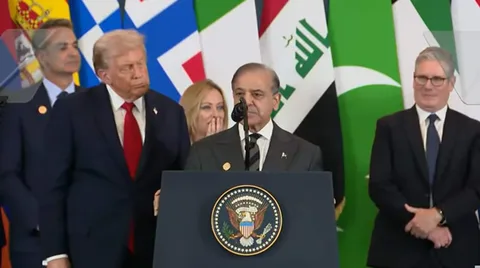
Pakistan remains the only party both sides appear willing to trust. Pakistan’s Prime Minister Sharif publicly thanked Trump for extending the ceasefire, confirming that Islamabad had personally requested it. He said “on behalf of Field Marshal Syed Asim Munir” and himself, they sincerely thanked Trump for accepting the request to allow “ongoing diplomatic efforts to take their course.” Iran’s UN envoy also said that as soon as Washington ends the naval blockade, negotiations in Islamabad will happen — suggesting Pakistan’s capital remains the agreed venue for any second round of talks. The Iran war blockade removal remains Iran’s precondition for returning to the table.
What the US Still Wants From Iran
The US is seeking a complete shutdown of Iran’s nuclear programme, limits on missile production, and an end to Iranian support for regional allies including Hezbollah and Hamas. A particularly contentious point is Iran’s stockpile of highly enriched uranium — Trump claims Iran agreed to US extraction of nuclear material from bombed sites, but Iran has flatly refused to allow uranium to leave the country. Until these core gaps close, any Iran war day 54 ceasefire extension is simply buying time, not building peace.
What Comes Next
An open-ended extension without a new deadline removes the immediate pressure on Iran — but analysts warn it also allows Tehran to drag out talks indefinitely. Trump’s advisers privately flagged this risk before the announcement. The mixed messaging from Washington — simultaneously extending the ceasefire and threatening military action if talks fail — has unsettled markets, though some analysts say it reflects calculated pressure rather than confusion. The deadline for Iran war resolution remains undefined, the blockade continues, and the Strait of Hormuz hangs in the balance.
Frequently Asked Questions
Deadline for Iran war — is there a new one?
Trump removed the hard Wednesday deadline by announcing an open-ended extension. The ceasefire now continues until Iran submits a “unified proposal” — but no specific date has been given. This means the deadline for Iran war talks is effectively indefinite until Tehran acts.
Iran war attack today — what happened?
The US Navy fired on and seized the Iranian cargo ship TOUSKA in the Gulf of Oman after it attempted to bypass the US naval blockade. Iran’s IRGC also fired on ships near the Strait of Hormuz over the weekend, which Trump called a “total violation” of the ceasefire.
Iran response to ceasefire extension — what did Tehran say?
Iran gave no immediate official confirmation. Officials signalled openness to talks but insisted the naval blockade must end first. An adviser to Iran’s parliament speaker called the extension a potential “ploy,” while the foreign minister reiterated that the blockade constitutes a ceasefire violation.