TEHRAN: Iran has claimed that at least 35 civilians, including women and children, were killed in the latest wave of US airstrikes, as military tensions between Washington and Tehran continue to escalate amid the ongoing conflict in the Middle East.
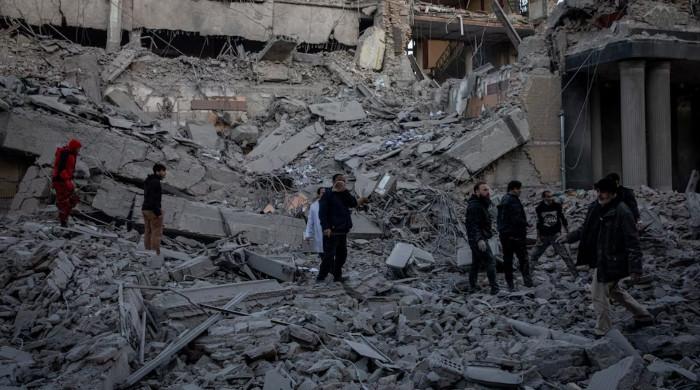
According to Iranian officials, the strikes targeted multiple locations across the country, causing extensive damage to residential areas and civilian infrastructure. Authorities said emergency teams continued search and rescue operations, with fears that the death toll could rise as more victims remain trapped under debris.
Iranian state media reported that many of those killed were women and children who were inside residential buildings when the attacks occurred. Hospitals in the affected regions have reportedly been overwhelmed with injured civilians receiving emergency treatment.
The latest strikes come as the United States has intensified military operations against Iran, citing the need to counter threats to regional security and protect international shipping routes. Washington has also increased its military presence around the Strait of Hormuz following renewed attacks on commercial vessels in the strategically important waterway.
Iran strongly condemned the attacks, describing them as a violation of international law and accusing the United States of deliberately targeting civilian areas. Iranian officials urged the international community and the United Nations to intervene and hold those responsible accountable for what they called attacks on innocent civilians.
The renewed hostilities have further heightened fears of a wider regional conflict, with diplomatic efforts to restore stability appearing increasingly uncertain. Several countries have called for restraint from both sides, warning that continued military escalation could threaten global energy supplies and regional security.
Humanitarian organizations have expressed concern over the growing civilian toll and urged all parties to respect international humanitarian law and protect non-combatants. Relief agencies warned that continued airstrikes and military operations could worsen the humanitarian situation, particularly in densely populated urban areas.
The conflict has also affected global financial markets, with oil prices remaining volatile due to concerns over the security of the Strait of Hormuz, one of the world’s most critical oil shipping routes. Analysts say prolonged instability in the region could have significant economic consequences for international trade and energy markets.
The United States has not yet released a detailed response regarding Iran’s latest casualty figures. Independent verification of the reported civilian deaths remains difficult because of restricted access to the affected areas.
As military exchanges continue, international observers are urging renewed diplomatic dialogue to prevent further civilian casualties and avoid a broader regional war that could have far-reaching global consequences.