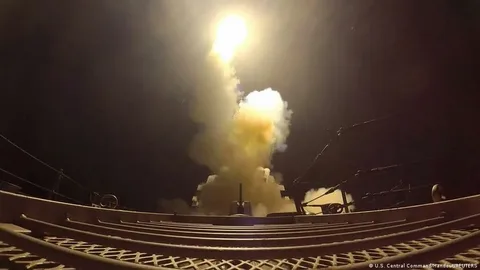
The Iran Israel war today has entered a dangerous new phase after the United States launched fresh strikes on Iranian territory and President Donald Trump ordered the return of a naval blockade in the Strait of Hormuz. Washington is also demanding a 20 percent fee on cargo passing through the waterway, a move that has stunned shipping markets and reignited fighting just weeks after a fragile ceasefire.
Background
Since February 28, 2026, the United States and Israel have been locked in an intense war with Iran, one that began after airstrikes killed several senior Iranian officials. A two-week ceasefire took hold on April 8, though it came under heavy strain after Israel struck Lebanon and Iran refused to reopen the Strait of Hormuz.
A memorandum aimed at formally ending the war was signed on June 17 by President Trump in Versailles and by Iranian President Masoud Pezeshkian in Tehran. That truce, however, proved short-lived. By July 8, the interim ceasefire had collapsed after Iran allegedly struck several commercial ships in the Strait of Hormuz, prompting the US to strike Iranian territory once again.
This latest breakdown has brought the Iran US war 2026 back into the headlines, with both sides trading blame over who broke the agreement first. For anyone tracking the Iran Israel war live today, the situation on the ground has shifted from an uneasy pause back into active combat within a matter of days.
Details
The most recent escalation began over the weekend. Iran fired on a commercial ship transiting the Strait of Hormuz on Saturday and declared the vital waterway completely closed. The US rejected that claim and struck multiple sites inside Iran overnight, prompting Iranian retaliation against targets in Jordan, Qatar, Kuwait and Oman, while the United Arab Emirates also reported missile fire.
On July 14, the US military carried out further strikes on Iran, with state media reporting explosions in the cities of Bushehr, Bandar Abbas, Mahshahr and Abadan. Iran responded by claiming it had hit US sites in Kuwait, Bahrain and Jordan, along with two oil supertankers passing through the Strait of Hormuz. This kind of tit-for-tat exchange has become the defining pattern of the Israel attacks Iran today live coverage across major outlets.
US Central Command said it completed its latest wave of strikes at 10:15 p.m. ET on July 13, targeting Iranian coastal defense systems, missile and drone sites, and maritime capabilities. CENTCOM confirmed it would resume blockading traffic entering and exiting Iranian ports beginning Tuesday at 4 p.m. ET, with more than 50,000 US service members currently deployed across the Middle East.
CENTCOM added that during a five-hour mission, American forces struck military targets across Iran including Bushehr, Chah Bahar, Jask, Konarak, Abu Musa and Bandar Abbas, aiming to further reduce Iran’s ability to threaten commercial shipping. The Pentagon has framed these operations as defensive measures meant to protect global trade routes rather than an open-ended offensive campaign.
Adding a new twist to the Iran attack on Israel today update cycle, Trump has now floated charging shippers directly for safe passage through Hormuz. Trump asserted the US would act as the waterway’s “guardian” and would seek a 20 percent reimbursement from cargo vessels using the strait. Shipping industry figures said they were caught off guard by the announcement and remain unsure how such a fee would actually be enforced.
Quotes
Trump defended the continuing military campaign while speaking with reporters on Monday. He said American forces have “knocked out” Iran’s navy, air force, missile capabilities and drone manufacturing, arguing the strikes were necessary to stop Tehran from building a nuclear weapon. He also compared the short duration of this campaign favorably against America’s much longer historical conflicts abroad.
Iranian Foreign Minister Abbas Araghchi responded to the proposed shipping fee with a mix of agreement and mockery. He wrote online that Iran has always been the guardian of the strait and would remain so forever, while suggesting that a 20 percent charge was too high and that Iran would set a fairer rate. His remarks appeared designed to use Trump’s own toll proposal to reinforce Iran’s claim of authority over the waterway.
CNN’s analysis of the standoff noted the irony in Washington’s position. Trump complained that Iran cannot be trusted to honor agreements, telling Fox News the memorandum was a done deal that Tehran broke, a criticism analysts noted sits awkwardly alongside his own history of exiting international pacts.
Impact
The renewed fighting has already rattled global energy markets. Brent crude futures climbed above 83 dollars a barrel by Monday evening, while average US gasoline prices rose to roughly 3.87 dollars a gallon, though still below levels seen a month earlier. Shipping data from Kpler showed crossings through the Strait of Hormuz had dropped by more than half compared with the previous week.
Regional partners are also feeling the strain. Gulf states including Kuwait, Qatar, Bahrain and the UAE have reported attacks tied to the crossfire, raising fears that the war could widen well beyond the original Iran-Israel-US triangle. For many observers asking who is winning the Iran war, the answer increasingly points to a costly stalemate rather than a decisive victory for either side.
CNN’s analysis suggested Iran continues to use geography and its control of the strait to pressure a far larger military power, even as Washington claims to be degrading Iranian capabilities. That dynamic explains why, despite repeated rounds of strikes, neither side has been able to force a lasting resolution.
Conclusion
With the blockade set to resume and both militaries continuing to trade fire, the Iran Israel war today shows no clear sign of winding down. The proposed Hormuz shipping fee adds a new economic dimension to a conflict that has already reshaped global oil markets and regional alliances. As the situation develops hour by hour, audiences searching for the latest Israel attacks Iran today live updates should expect continued volatility in both the military and diplomatic tracks in the days ahead.
FAQs
Why did the US and Israel fight Iran?
The war traces back to years of tension over Iran’s nuclear program, its ballistic missile arsenal, and its influence across the Middle East through allied militias. After talks to revive a nuclear agreement failed in 2025 and 2026, US and Israeli airstrikes targeted senior Iranian officials in late February 2026, which Washington and Israel framed as necessary to prevent Iran from acquiring a nuclear weapon. Iran, in turn, viewed the strikes as an act of war and responded with missile and drone attacks against Israel, US bases, and Gulf allies, drawing the wider region into the fighting.
Has Iran hit the US military?
Yes. Iran has repeatedly targeted US military installations and interests across the Middle East throughout the conflict, including strikes on bases in Gulf states such as Kuwait, Bahrain, Qatar and Jordan. Iran has also targeted commercial and military shipping near the Strait of Hormuz, a pattern that intensified again in July 2026 after the interim ceasefire broke down. These retaliatory strikes are usually framed by Tehran as defensive responses to ongoing US and Israeli attacks on its territory.
Who started the war in Iran in 2026?
The war formally began on February 28, 2026, when US and Israeli airstrikes killed Iran’s Supreme Leader and other senior officials amid stalled nuclear negotiations. Iran responded within days with widespread missile and drone strikes against Israel and US-aligned targets across the region. Both sides dispute responsibility for the renewed July fighting, with Washington accusing Iran of violating the June ceasefire agreement by attacking commercial vessels, and Iran accusing the US of overstepping the terms of that same deal regarding control of the Strait of Hormuz.