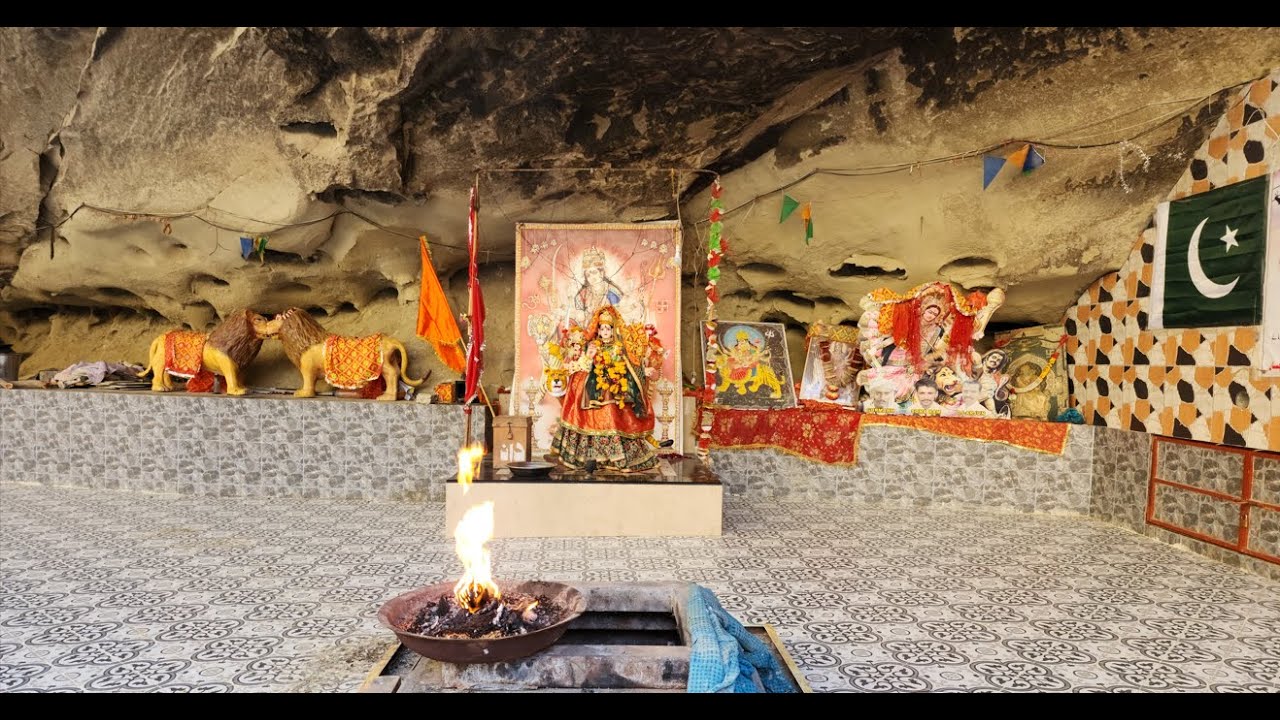
The ancient Hinglaj Mata Mandir in Balochistan draws hundreds of thousands of Hindu devotees every year, making it one of the largest Hindu pilgrimages in the world. Recently in the news for its record-breaking 2026 festival attendance, this sacred cave temple stands as a powerful symbol of interfaith harmony in Pakistan.
Where Is Hinglaj Mata Mandir Located?
Hinglaj Mata Mandir is located in the mountains of Lasbela district, approximately 140 kilometers from Uthal and 15 kilometers off the Makran Coastal Highway in Balochistan, Pakistan.The temple sits inside the Hingol National Park, surrounded by dramatic desert and coastal terrain.
It is nestled in the rugged and arid landscapes of Hingol National Park, making it one of the most ancient and revered Hindu pilgrimage sites in the entire region.For visitors, the nearest landmark is Kund Malir, a famous tourist spot on the coastal highway.
The Story Behind Mata Hinglaj Ancient Mythology
According to Hindu mythology, Lord Vishnu cut the dead body of Sati into 50 pieces, which fell to the earth. Her head is believed to have fallen at Hinglaj, and the site has since become the location of a deeply revered pilgrimage.
The Hinglaj Mata Mandir is one of the 51 Shakti Peethas places believed to have been sanctified by the divine presence of the goddess Sati. The origin of the Hinglaj Mata shrine is steeped in mythology and legend, dating back thousands of years. This connection to the Shakti Peeth tradition makes Mata Hinglaj one of the most spiritually powerful goddesses in the Hindu faith.
How Old Is Hinglaj Mata Mandir?
Hinglaj Mata Mandir is considered a centuries-old cave temple, and thousands of Hindu pilgrims from across the country and the world participate in its ancient festival each year.Scholars and devotees alike consider the Hinglaj Mata Temple to be among the oldest continuously worshipped shrines in the Indian subcontinent, with its roots tracing back to pre-Islamic history in the region.
The cave structure itself is natural, carved by geological forces over millennia. It has served as a place of worship long before recorded history in Balochistan.
Hinglaj Mata Mandir Recently Seen in News
Senator Danesh Kumar recently described the yearly Hinglaj Mata Mandir festival in Balochistan as a vivid demonstration of Pakistan’s dedication to religious freedom and peaceful coexistence among different faiths.
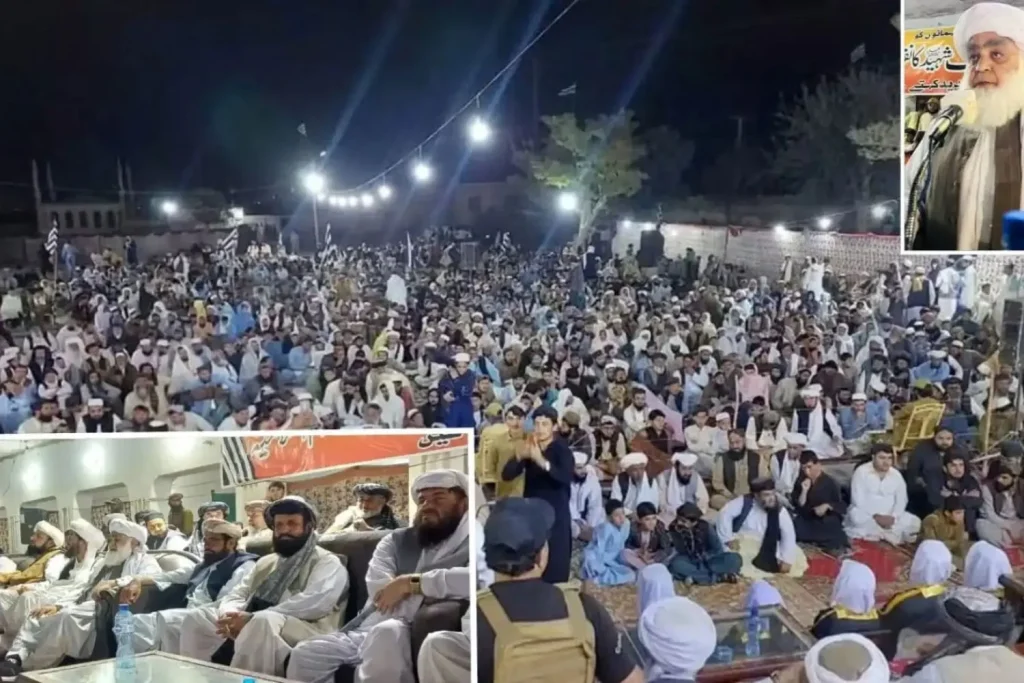
He noted that around 300,000 yatris take part in the main April festival, while nearly one million devotees visit the temple throughout the year. Following India and Nepal, Pakistan hosts one of the world’s largest Hindu pilgrimages at Hinglaj Mata Mandir.
The Balochistan government has invested roughly Rs. 2 billion over the last three years to improve infrastructure and support for pilgrims, including free meals, safe drinking water, medical aid stations, and other basic amenities.
Hinglaj Mata Temple Reviews What Pilgrims Experience
Pilgrims participate in various religious rituals such as the sacred bath in the Hingol River, offerings at the volcanic Chandragup mud volcano, and worship inside the Hinglaj Mata cave temple.
Pilgrims arrive from all over Pakistan adorned in decorative red-and-gold head-scarves and saffron headbands to mark the holy colors of Hinglaj Mata. Hundreds of Hindus from abroad, including India, visit the temple annually.
The Shri Hinglaj Mata Welfare Mandli sets up round-the-clock food and drink stalls (Bhandara) for pilgrims, especially those who arrive barefoot after fulfilling their spiritual vows.Devotees consistently describe the journey as one of the most spiritually transformative experiences of their lives.
Security and Government Support
Security was significantly tightened with coordinated deployment of the Pakistan Army, Frontier Corps, Police, and Levies. Pakistan Coast Guards also operated a four-day free medical camp where male and female doctors treated pilgrims and provided free medicines.
Under the direction of Chief Minister Sarfraz Bugti, the PDMA distributed nearly 10,000 ration bags, mats, and tarpaulins among the pilgrims.The government’s commitment to the festival underscores the importance Pakistan places on protecting the rights of its religious minorities.
A Symbol of Interfaith Harmony
Local Muslim tribes actively participate in hosting and assisting pilgrims, reflecting a long-standing tradition of religious tolerance and coexistence in the region.This unique harmony between communities is one of the most frequently praised aspects by visitors and international observers alike.
Senator Kumar stated that the successful Hinglaj Mata festival and the participation of thousands of Hindu pilgrims proved that all minorities are enjoying religious freedom in Pakistan.The event continues to generate global attention as a rare example of peaceful coexistence.
Global and Regional Impact
The Hinglaj Mata Mandir is not just a religious site it is an economic and cultural institution. Organisers of the Hinglaj Mela say the annual pilgrimage generates business for thousands of people from the community as well as local Muslims.
Internationally, the pilgrimage draws attention to Pakistan’s diverse religious heritage. Diplomats and foreign observers often cite Hinglaj as evidence that minority communities can thrive in the country when properly supported.
Conclusion The Future of Hinglaj Mata Temple
Hinglaj Mata Mandir stands at a pivotal moment. With growing government investment, record pilgrim numbers, and increasing international visibility, the temple’s future looks brighter than ever. Plans for infrastructure upgrades, better roads, and expanded facilities are already underway, promising an even smoother Yatra experience for future pilgrims.
Mata Hinglaj remains more than a temple she is a living bridge between ancient faith and modern Pakistan, between communities, and between nations.
FAQs
Why do Muslims worship Hinglaj Mata?
While Hinglaj Mata Mandir is primarily a Hindu shrine, some local Muslim communities in Balochistan have historically visited the site out of cultural reverence and regional tradition. Over centuries of shared geography and intermingled customs, the site has developed a degree of cross-faith significance in certain local communities. However, it is formally recognized as a Hindu Shakti Peeth and is not a place of Islamic worship.
Which part of Mata Sati fell in Hinglaj?
According to Hindu mythology and the Shakti Peeth tradition, it is believed that the head of Goddess Sati fell at Hinglaj. This is why the site holds the highest level of spiritual significance among the 51 Shakti Peethas, and why Mata Hinglaj is worshipped as a supreme manifestation of divine feminine power.
Why is Hinglaj Mata famous?
Hinglaj Mata is famous for several reasons. It is one of the 51 Shakti Peethas of Hindu tradition, it hosts one of the largest Hindu pilgrimages in the world with up to 300,000 visitors during the April festival, it is located inside a natural cave in the dramatic landscape of Balochistan, and it represents a remarkable example of interfaith harmony in Pakistan. The Hinglaj Mata Temple photo and stories of its ancient mythology have captured the imagination of devotees across South Asia for centuries.