A Karachi court has extended interim bail for several accused in the Gul Plaza fire case, even as a newly appointed investigating officer takes charge of the probe. The development marks the latest twist in a case that has dragged on for months following one of the deadliest fires in the city’s recent history.
The Additional District and Sessions Court Karachi South granted more time to the prosecution after officials confirmed that DSP Aamir had been appointed the new IO. The court’s decision comes after repeated rejections of earlier charge sheets over incomplete investigation work.
Background: What Happened at Gul Plaza
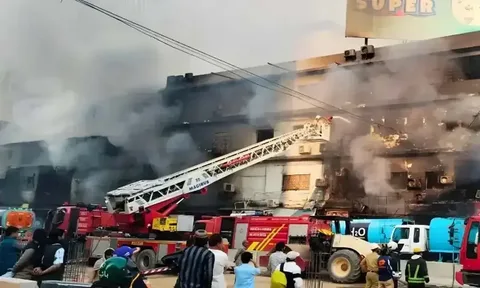
The tragedy unfolded on the night of January 17, 2026, when a massive fire broke out at Gul Plaza, a busy commercial building located on MA Jinnah Road in Karachi’s historic Saddar area. The blaze started on the ground floor inside a shop selling artificial flowers and spread rapidly through the structure.
Gul Plaza before fire was known as one of Karachi’s largest wholesale markets, home to more than 1,100 shops selling a wide variety of goods, from garments to household items. The building had stood for decades as a commercial hub for traders across the city.
The fire burned for more than 32 hours before it was fully brought under control, and parts of the structure eventually collapsed under the intensity of the flames. Emergency services struggled throughout the operation due to limited equipment and poor access routes around the building.
Gul Plaza Fire Reason: How the Blaze Started
According to investigators, the fire reason traced back to an incident inside a ground-floor shop called New Tawakal Flower & Gift Shop, located near Gate No. 6. Witnesses told a judicial magistrate that an 11-year-old boy, left alone to look after the shop, was playing with matchsticks when the artificial flowers caught fire.
The flames spread quickly through wooden lofts, plastic merchandise, and unsafe electrical wiring before reaching an air-conditioning duct that carried the fire throughout the building. Investigators noted the mall lacked fire alarms, sprinklers, and functioning emergency exits, all of which allowed the blaze to escalate uncontrollably within minutes.
Officials later confirmed that a precautionary power shutdown, meant to prevent further electrical hazards, plunged the building into darkness and caused panic among the estimated 2,000 to 2,500 people trapped inside at the time.
How Many People Died in Gul Plaza Fire
The confirmed death toll has varied slightly across official reports as recovery operations progressed. Most recent charge sheet documents cite that 72 people lost their lives in the tragedy, while earlier emergency estimates during the search operation had placed the number closer to 80.
Authorities also confirmed that eight people were injured, and over 1,150 shops were completely destroyed. Search teams spent nearly ten days combing through the wreckage before the operation was officially concluded and the building was sealed off.
Gul Plaza Dead Bodies: Recovery Operation Details
Recovery teams faced enormous challenges retrieving Gul Plaza dead bodies from the debris, as sections of the multi-storey structure had collapsed during the fire. Rescue workers described the mezzanine floor as the deadliest section, where smoke rising from the ground floor trapped dozens of people behind iron grilles with no viable escape route.
Many victims were found to have died of suffocation rather than burns, according to investigators. The identification process was further complicated by extensive damage to the bodies, requiring forensic testing in several cases before families could be officially notified.
Gul Plaza Fire Case Update: Judicial Proceedings
The Gul Plaza fire case has moved slowly through Karachi’s judicial system, with multiple setbacks along the way. A charge sheet naming six accused, including the 11-year-old boy, his father Naimatullah, and four members of the Gul Plaza Management Committee, was filed in court earlier this year.
However, the prosecution rejected the initial charge sheet on three separate occasions, citing missing details about the responsibilities of civic agencies such as the Sindh Building Control Authority and Civil Defence department. A judicial magistrate eventually ordered a completely fresh investigation, ruling that the earlier probe had failed to properly examine institutional negligence.
Quotes From Officials
Prosecutor Arif Sattai told the court that Civil Defence had issued fire safety warnings for the building as far back as 2022, yet no enforcement action followed. He argued that the investigation had failed to hold any government department accountable for the lapses that contributed to the disaster.
Judicial Magistrate Asim Aslam, while rejecting the police challan, stated that the case required a more thorough reassessment of every agency connected to the building’s safety compliance. He directed the newly assigned investigating officer to submit a complete report within 15 days.
Urban researcher Salman Toheed, speaking to international media earlier this year, warned that Gul Plaza had actually been “relatively better designed” compared to many other buildings in Karachi. He said the scale of the casualties reflected a much larger citywide failure in fire safety enforcement.
Impact of the Gul Plaza Fire
The disaster reignited nationwide debate over fire safety compliance in Karachi’s densely packed commercial buildings. Reports found that Gul Plaza’s shop count had grown from its originally approved 1,109 units to more than 1,150, with staircases narrowed and several exit points removed over the years without any safety review.
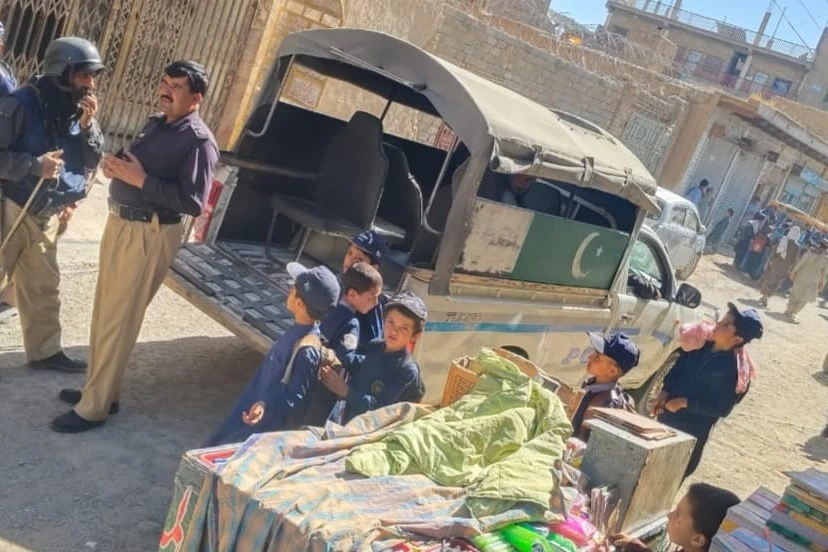
Economic losses from the fire were estimated at over three billion rupees, with the timing worsened by the approaching wedding and shopping season, when traders typically carry higher stock levels. Many affected shop owners were forced to set up temporary stalls in nearby public parks after losing their businesses entirely.
The tragedy has also placed scrutiny on Karachi’s emergency response capacity, with officials confirming that the city operates with only a limited number of fire stations and rescue vehicles relative to its population size of more than twenty million residents.
Gul Plaza Fire Video and Public Reaction
Footage and Gul Plaza fire video clips circulating on social media during the incident showed thick smoke engulfing the building as rescue workers struggled to reach trapped victims. The visuals sparked widespread public anger, with protests held outside the plaza days after the fire, demanding faster search efforts and accountability from city authorities.
Some manipulated and AI-generated images also spread online during the crisis, prompting warnings from local journalists urging the public to rely only on verified sources for updates.
Conclusion and What Comes Next
With a new investigating officer now assigned to the Gul Plaza fire case, the court has ordered a complete reassessment of institutional responsibility before any final charge sheet can move forward. Statements from all suspects are expected to be recorded again under Section 161 of the Criminal Procedure Code, alongside fresh input from the Sindh Building Control Authority.
The Sindh government has previously announced plans to demolish the damaged structure and rebuild commercial space at the site within two years. As the legal process continues, families of victims and affected traders continue to await a clear resolution nearly six months after the tragedy.
FAQs
What is the current situation of Gul Plaza?
The Gul Plaza building remains sealed off following the fire, with authorities confirming plans for eventual demolition and reconstruction at the site. Legal proceedings against the accused are ongoing, with a newly appointed investigating officer currently conducting a fresh probe after courts rejected earlier charge sheets for being incomplete. A second, smaller fire also broke out in the building’s basement in March 2026, reportedly started by individuals stealing copper wire from the sealed structure.
How many people were killed in Gul Plaza?
Official charge sheet documents filed in court state that 72 people lost their lives in the January 17, 2026 fire, though early emergency reports during the search operation cited figures as high as 80. Eight additional people were injured during the incident, and the exact toll was finalized only after the multi-day search and recovery operation concluded.
How many shops were in Gul Plaza?
Gul Plaza was originally approved to house 1,109 shops, though investigators later found that the number had grown to over 1,150 through unauthorized additions over the years. All of these shops were affected by the fire, with reports confirming that more than 1,150 units were completely destroyed in the blaze, resulting in massive financial losses for traders across the market.