Summary
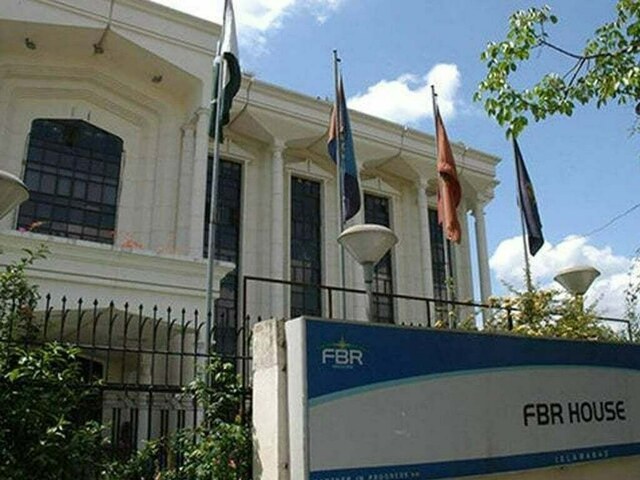
The Federal Board of Revenue has moved to ease the cash-flow crunch faced by Pakistani businesses. In a major relief step, the FBR chief refunds order has cleared the way for Rs126 billion in pending tax refunds. The amount includes Rs83 billion in sales tax refunds and Rs43 billion in customs duty rebates. Traders across Karachi welcomed the decision as a much-needed liquidity boost.
Background
Tax refund delays have long been a sore point between the business community and tax authorities in Pakistan. Exporters and traders frequently complain that FBR refund payments get stuck for months, tying up working capital that firms need to keep operations running. This latest FBR orders refund payment decision follows repeated appeals from trade bodies asking the tax machinery to speed up disbursements and clear the backlog of unpaid claims.
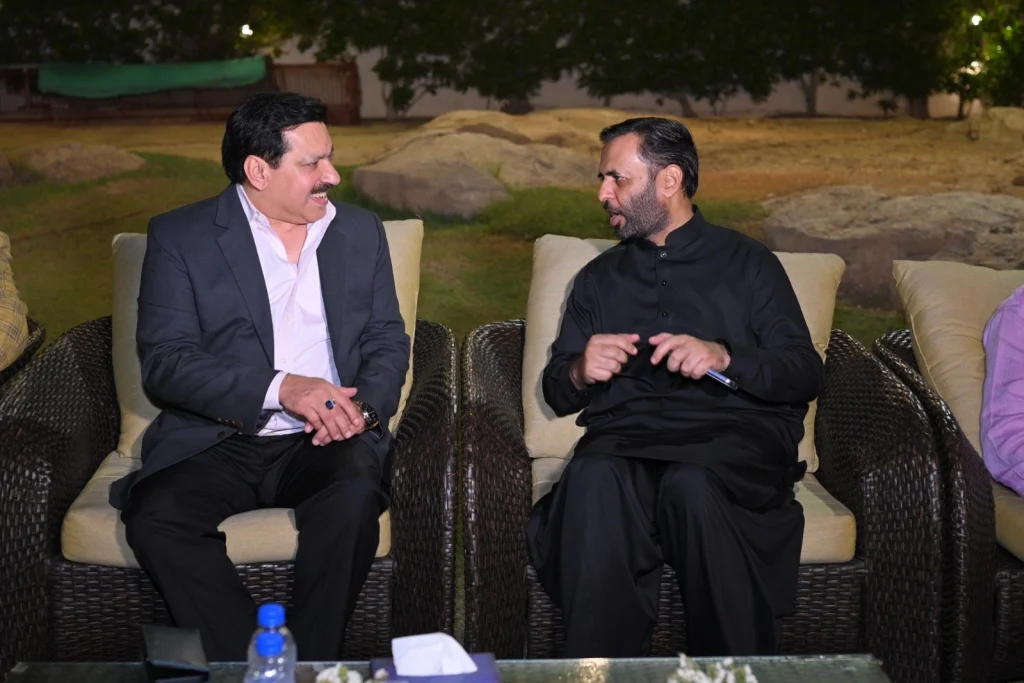
The development took place during a meeting in Karachi between FBR Chairman Rashid Mahmood Langrial and representatives of the Federation of Pakistan Chambers of Commerce and Industry. The sit-down was part of a standing instruction from the prime minister that requires monthly consultations with Karachi’s business community during the first week of every month.
Details
Saqib Fayyaz Magoon, Senior Vice-President of the FPCCI, briefed reporters after the meeting and confirmed the scale of the Rs126 billion refunds package. He explained that both current and deferred refunds were discussed threadbare during the session. According to Magoon, a prior understanding already existed that deferred refunds would be released within one to two months.
However, the matter of old, pending refund claims was raised more forcefully at this meeting. Magoon said that pending sales tax refunds stand at roughly Rs83 billion, while duty rebates owed to traders amount to Rs43 billion. Together, these two components make up the headline Rs126bn tax refunds figure that has dominated business news this week.
The FBR chairman, in response, directed that these long-outstanding dues be cleared within a window of two to three months. This timeline gives the tax authority a firm deadline while offering traders some certainty on when the funds will actually land in their accounts.
Beyond refunds, the meeting also touched on export procedures. Magoon noted that exports will no longer be halted purely because the required value addition is not reflected in the finished product at the point of shipment. Going forward, goods declarations can be filed for export first, while verification of value addition, total costs and product valuation will follow later. This change is expected to reduce delays at ports and border crossings for exporters.
Quotes
Speaking to the media after the meeting, Magoon said the FBR chairman had “directed that they be paid within two to three months,” referring to the pending sales tax refunds and duty rebates. He described the overall tone of the meeting as constructive, adding that the FBR leadership appeared willing to engage seriously with the concerns raised by the trade body.
Impact
For traders and exporters, the release of Rs126 billion in tax refund payment Pakistan-wide could translate into a genuine improvement in liquidity. Businesses that have been sitting on unpaid refund claims for months may finally see funds freed up for inventory, wages and expansion. Analysts note that smoother FBR refund payments often correlate with improved trader confidence and, in turn, healthier export performance.
The move also signals a broader shift in how the tax authority is engaging with the private sector. Regular monthly consultations, as mandated by the prime minister’s office, appear to be giving trade bodies a more direct channel to flag grievances and push for faster resolution.
Conclusion
With the FBR chief refunds decision now on record, attention shifts to implementation. Traders will be watching closely to see whether the two-to-three-month deadline set by the FBR chairman is actually met. If the Federal Board of Revenue refunds are disbursed on schedule, it could set a precedent for how future refund backlogs are handled. Further updates are expected as the FBR moves to process these payments in the coming weeks.
FAQs
Does FBR refund taxes?
Yes, the Federal Board of Revenue is legally required to refund excess sales tax, income tax and customs duty collected from registered taxpayers and traders once their claims are verified. In practice, however, these refunds have often faced long delays, which is why trade bodies like the FPCCI regularly raise the issue with FBR leadership. The recent decision to release Rs126 billion in refunds is part of an ongoing effort to clear such backlogs and restore timely payments to businesses.
Who is the current chief of FBR?
The current Chairman of the Federal Board of Revenue is Rashid Mahmood Langrial. He has been engaging directly with trade bodies such as the FPCCI through monthly consultations in Karachi, a practice introduced on the instructions of the prime minister. It was during one such meeting that Langrial directed the release of Rs83 billion in sales tax refunds and Rs43 billion in duty rebates.
How to check FBR refund status?
Taxpayers and businesses can generally track the status of their refund claims through the FBR’s online IRIS portal, where registered users can log in and view the processing stage of their submitted refund applications. Businesses that continue to face unexplained delays are advised to follow up through their trade associations, such as the FPCCI, which can raise unresolved cases directly with FBR leadership during official consultations.