
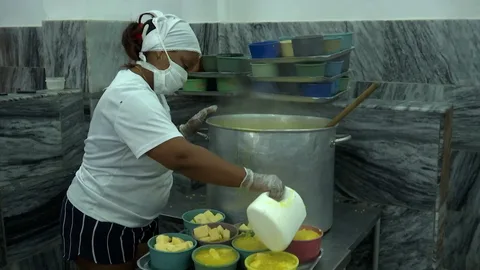

The Cuba food shortage 2026 continues to worsen as the country faces growing economic challenges, fuel shortages, power outages, and supply chain disruptions. Families across the island are struggling to access basic food items, while long queues outside grocery stores have become a daily reality. The situation has raised concerns among international organizations and humanitarian groups monitoring conditions in the Caribbean nation.
Recent reports indicate that shortages of milk, cooking oil, bread, rice, and other essential products are affecting both urban and rural communities. As the Cuba crisis 2026 deepens, many citizens are relying on government ration programs and assistance from relatives abroad to meet basic needs.
Summary
The Cuba food shortage 2026 has become one of the country’s most serious economic and humanitarian challenges in recent years. Combined with frequent power outages and fuel scarcity, the crisis is placing additional pressure on households already struggling with inflation and limited purchasing power.The latest breaking news Cuba today highlights concerns over food availability, electricity generation, and the government’s efforts to secure imports. Officials continue to seek international support while implementing measures aimed at stabilizing supplies.
Background: Understanding Cuba’s Economic Challenges
To understand why there is a food shortage in Cuba, it is important to look at the country’s broader economic situation. Cuba imports a significant portion of its food and fuel requirements. Limited foreign currency reserves have made it difficult for authorities to purchase enough products from international markets.
Economic sanctions, declining tourism revenues, inflation, and reduced agricultural production have further complicated the situation. These challenges have combined to create shortages across multiple sectors of the economy.
Many analysts compare the current situation to the Cuba food shortage 1994, a period known as the “Special Period” when the collapse of the Soviet Union severely impacted Cuba’s economy. While the circumstances differ, both periods have been marked by shortages of essential goods and increased hardship for ordinary citizens.
Food Supplies Under Pressure
The Cuba food shortage 2026 has affected a wide range of products that families depend on every day. Basic staples such as rice, beans, eggs, flour, and milk have become increasingly difficult to obtain in some regions.
Consumers often spend hours waiting in lines outside stores in hopes of purchasing limited quantities of food. In some areas, products sell out shortly after deliveries arrive, creating uncertainty for residents.
Agricultural production has also struggled due to shortages of fertilizer, fuel, machinery parts, and transportation resources. These difficulties have reduced domestic food output and increased reliance on imports.
Blackout in Cuba Today Adds to Difficulties
The blackout in Cuba today remains another major concern for residents and businesses. Electricity shortages have disrupted daily life, affecting food storage, transportation, healthcare services, and commercial activity.
Power outages have become more frequent in several provinces as aging infrastructure and fuel shortages limit electricity generation. Households often face extended periods without power, particularly during peak demand hours.
Businesses have also reported production delays and operational challenges due to unreliable electricity supplies. For small enterprises already dealing with economic uncertainty, recurring blackouts create additional obstacles.
Why Is There a Food Shortage in Cuba?
Many people ask: Why is there a food shortage in Cuba?
Experts point to several interconnected factors. Limited access to foreign currency has reduced the country’s ability to import food products. At the same time, domestic agricultural production has struggled because of supply shortages and infrastructure limitations.
Extreme weather events have also affected crop yields in some regions. Hurricanes and drought conditions have damaged agricultural output, reducing available supplies and increasing pressure on food distribution systems.
The combination of these factors has contributed significantly to the Cuba food shortage 2026 and continues to challenge recovery efforts.
Fuel Supplies and International Tensions
Fuel shortages remain a critical issue across the island. Transportation, agriculture, manufacturing, and electricity generation all depend heavily on reliable fuel supplies.
Many discussions surrounding the Cuba crisis 2026 focus on international sanctions and trade restrictions. Questions such as “Why is the U.S. blocking oil to Cuba?” and “Why is the US blockading Cuba?” frequently appear in public debates and media coverage.
The United States maintains longstanding economic sanctions against Cuba. Supporters of the policy argue that sanctions are intended to encourage political reforms, while critics claim they contribute to economic difficulties and limit Cuba’s access to international markets.
Energy experts note that fuel availability is influenced by multiple factors, including global oil prices, shipping logistics, financial restrictions, and diplomatic relations. These elements collectively affect Cuba’s ability to secure adequate energy supplies.
Government Response to the Crisis
Cuban authorities have implemented various measures to address the ongoing shortages. These efforts include seeking new trade partnerships, increasing domestic agricultural production, and prioritizing imports of essential goods.
Government officials have acknowledged the seriousness of the Cuba food shortage 2026 and continue to work on strategies designed to improve food distribution and stabilize supply chains.
Authorities have also announced initiatives aimed at supporting local farmers and expanding food production. However, economic constraints and resource limitations remain significant challenges.
Impact on Cuban Families
The effects of the Cuba crisis 2026 are being felt across all segments of society. Families with fixed incomes are particularly vulnerable as food prices continue to rise.
Many households have adjusted their diets due to limited product availability. Some residents rely heavily on rationed goods, while others seek support from relatives living overseas.
Parents face additional concerns regarding nutrition and access to essential products for children. Elderly citizens and individuals with health conditions may also experience greater hardship during prolonged shortages.
Regional and Global Impact
The Cuba food shortage 2026 is attracting international attention because of its potential humanitarian implications. Regional organizations and aid groups are monitoring developments closely.
Economic instability in Cuba can influence migration patterns, trade relationships, and regional cooperation efforts throughout the Caribbean and Latin America. Neighboring countries are watching the situation carefully as policymakers assess potential responses.
The crisis also highlights broader global concerns regarding food security, supply chain resilience, and the impact of economic disruptions on vulnerable populations.
Expert Analysis
Economists suggest that long-term improvements will require a combination of increased agricultural productivity, stronger supply chains, greater investment, and improved access to international markets.
Energy analysts emphasize the importance of securing stable fuel supplies to reduce the frequency of blackouts and support economic activity. Reliable electricity is essential for food storage, transportation, healthcare, and industrial production.
Policy experts continue to debate the role of international sanctions, domestic reforms, and global economic conditions in shaping Cuba’s future outlook.
Future Outlook
The outlook for the Cuba food shortage 2026 remains uncertain. While government initiatives and international assistance may provide some relief, structural economic challenges are likely to persist in the near term.
Efforts to improve agricultural output, strengthen infrastructure, and stabilize energy supplies will play an important role in determining how quickly conditions improve. Continued monitoring of food availability, fuel imports, and electricity generation will be essential in the months ahead.
For now, the Cuba crisis 2026 remains one of the most significant challenges facing the country as leaders work to address shortages and support the population through a difficult period.
FAQs
Are there any shortages in Cuba right now?
Yes, Cuba is currently experiencing shortages of several essential goods, including food products, fuel, medicine, and household supplies. The Cuba food shortage 2026 has affected daily life across the country, with many residents facing long waiting times to purchase basic necessities. Frequent power outages and transportation challenges have further complicated access to goods and services.
Are Cubans flirty?
Cuban culture is often described as warm, social, and expressive. Visitors frequently note that Cubans are friendly and enjoy conversation, humor, and social interaction. However, personalities vary from person to person, and it would be inaccurate to generalize the behavior of an entire population based on stereotypes.
Is $100 USD a lot in Cuba?
The value of $100 USD in Cuba can be significant depending on exchange rates, local prices, and access to goods. For many Cuban residents, $100 may represent a meaningful amount of purchasing power compared to average local incomes. However, ongoing inflation, shortages, and fluctuating market conditions can affect how far that amount goes in practice.