


A Corruption-Free Punjab: CM Maryam Nawaz Sharif’s Transformative Vision and the “PolygraphAI Integrity System”
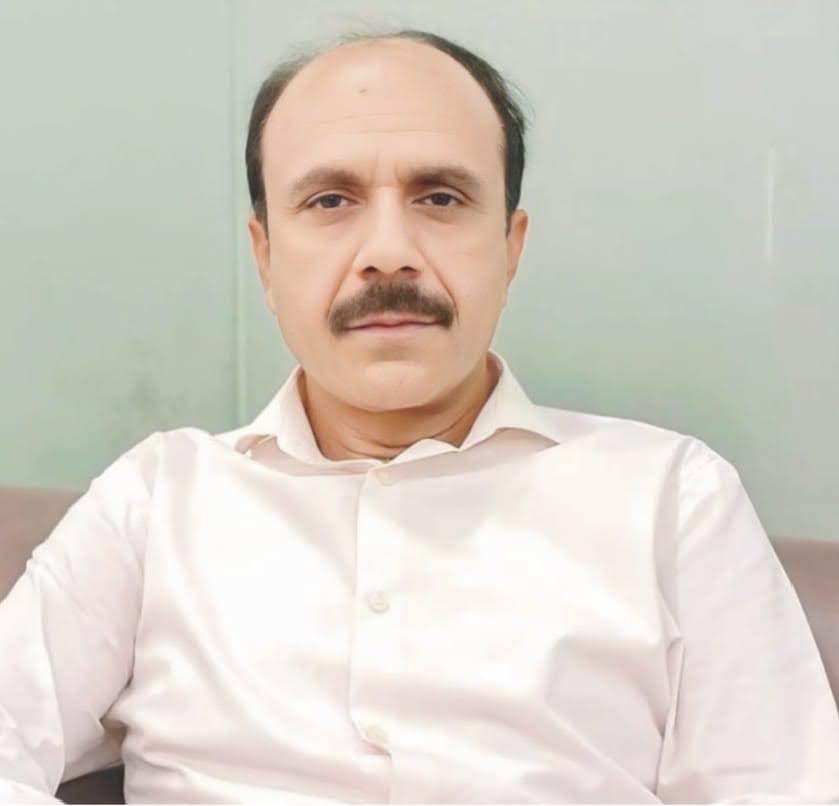
(By Maqbool Malick, Director Public Relations Faisalabad Punjab Pakistan)
Corruption is not merely an administrative hurdle in the path of development. it is a cancer that gradually erodes public trust, weakens state institutions and undermines the entire system of governance. In a province as large and diverse as Punjab, eliminating corruption requires more than raids, suspensions and departmental inquiries. What is needed is a modern, permanent and technology-driven mechanism capable of identifying corruption risks at an early stage, ensuring transparency in sensitive postings and establishing integrity as a measurable component of public administration.
Chief Minister Punjab Maryam Nawaz Sharif’s vision of making Punjab free from corruption can provide the foundation for such a transformative administrative initiative. If the Chief Secretary Punjab and the Director General Anti-Corruption Establishment are given clear mandates, effective authority and institutional support, while modern technology is integrated into the anti-corruption framework, Punjab could develop a new model of preventive and transparent governance.It is in this context that the concept of a “Punjab PolygraphAI Integrity System” merits serious consideration.
The proposed system would not simply be a machine. Rather, it would constitute an integrated Integrity Risk Assessment Framework, combining legally accessible digital data, asset declarations, service records, complaints, posting histories and where legally permissible and professionally appropriate, scientific assessment tools.
Its purpose would not be to declare an employee guilty merely on the basis of a technological test. Instead, it would identify patterns and indicators that may point towards a heightened risk of corruption, enabling the competent authorities to undertake further verification in accordance with law and due process.
Under the proposed framework, an Integrity Profile could be developed for every officer and employee. Such a profile could include details of previous postings, tenure in sensitive positions, verified complaints, declared assets, income-to-asset consistency, departmental proceedings and other information lawfully available to the government.
On the basis of these indicators, an Integrity Risk Score could be generated to assist not replace administrative decision-making, particularly in relation to sensitive postings, monitoring and scrutiny.For instance, repeated postings in sensitive departments, unexplained increases in assets, a pattern of substantiated complaints or significant discrepancies between declared income and assets could trigger a High-Risk Profile. Such a designation would not constitute a finding of guilt; rather, it would serve as an early-warning mechanism for further scrutiny, verification or investigation under the applicable laws.
Polygraph examinations and other scientific assessment tools could also be considered, wherever permitted by law and recommended by qualified experts. However, no technology should be treated as an infallible “truth detector” or as the sole basis for disciplinary or criminal action. Any adverse action must ultimately rest upon verifiable evidence, applicable law, procedural fairness and a transparent inquiry process.The system could also introduce a structured questionnaire for officers and employees dealing with integrity-sensitive responsibilities. Questions may include whether an official has ever sought or received an unlawful benefit in return for exercising official authority; whether illegal payments have been demanded or received for processing or approving an official matter; whether declared assets correspond with known sources of income; and whether any unlawful financial benefit was associated with a posting, transfer or administrative decision.Perhaps the most important component of the proposed framework would be transparency in postings.A comprehensive digital Posting History could be maintained for Assistant Commissioners, Deputy Commissioners, police officers, accounts officers and other officials working in sensitive positions. Such a system would make it possible to determine how frequently an officer has served in sensitive assignments, the duration of each posting and the administrative basis on which such appointments were made.If implemented with appropriate legal safeguards, technical expertise, data-protection standards and ethical oversight, the initiative could go beyond conventional anti-corruption measures and become a major step towards Preventive Governance.For Chief Minister Maryam Nawaz Sharif, the real success of such a programme would not simply be measured by the number of arrests or departmental actions. Its true achievement would be the creation of an environment in which corrupt practices carry a credible risk of detection, honest officers feel protected, citizens do not need recommendations or illicit payments to obtain legitimate government services, and every public office genuinely becomes an instrument of public service.The dream of a corruption-free Punjab can become a reality only through a combination of firm accountability, modern technology, transparent postings, effective monitoring and institutional reform.The proposed PolygraphAI Integrity System, if carefully designed and implemented within the framework of law and due process, could become a rare, practical and forward-looking initiative towards that larger vision transforming the fight against corruption from a reactive campaign into a sustained system of prevention, transparency and institutional integrity.