Experts Call for Responsible Use of Medicines and Coordinated Action Under One Health Approach
Quetta (Syed Sardar Muhammad Khondai): Secretary Livestock and Dairy Development Balochistan, Saleh Muhammad Baloch, has warned that antimicrobial resistance (AMR) poses a serious threat to human health, animal health and food security, stressing the need for coordinated efforts by government departments, veterinary professionals, farmers and the private sector to address the growing challenge.
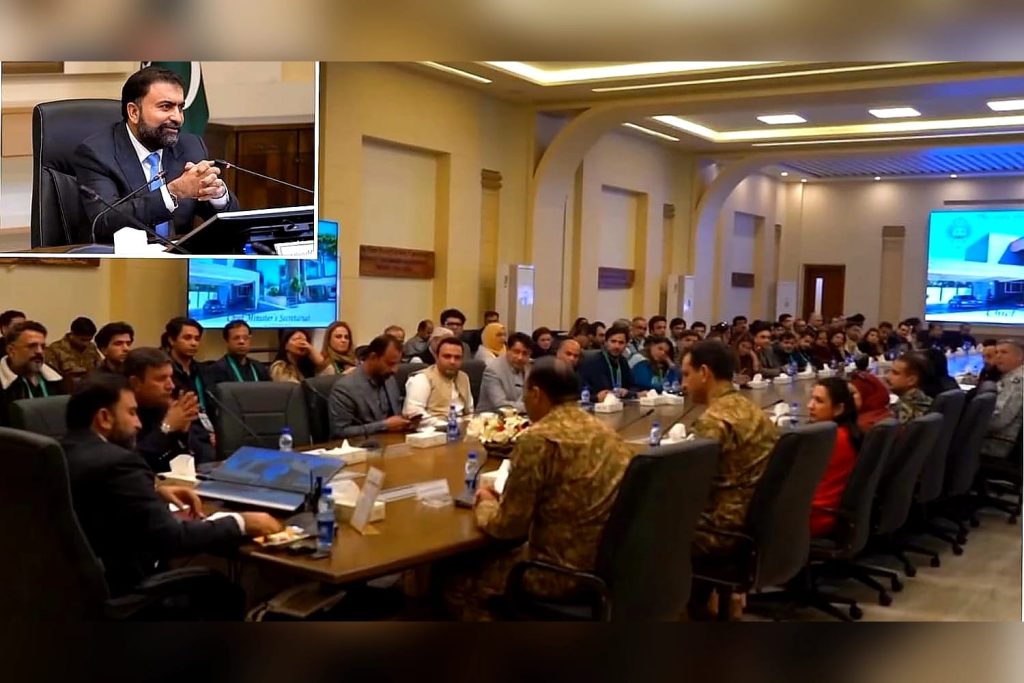
He expressed these views while addressing an awareness session at the Animal Scientists Institute (ASI), Quetta, organised in connection with World Antimicrobial Resistance Awareness Week 2026 through collaboration between the Livestock and Dairy Development Department, Government of Balochistan, and the United Nations Food and Agriculture Organization (FAO).
The Livestock Secretary said responsible use of medicines, improved biosecurity, vaccination and public awareness were essential to preventing the spread of antimicrobial resistance.
He emphasised that no single department could tackle AMR independently. Effective coordination among the health, livestock, environment and food sectors was urgently needed to protect public health and food systems.
He also stressed the importance of practical measures to significantly reduce the use of antimicrobial medicines in agri-food systems by 2030.
Director General Animal Health and Extension Services, Dr. Muhammad Farooq Tareen, welcomed the participants and said antimicrobial resistance was not merely a future concern but a serious challenge already affecting health systems.
He highlighted the importance of improved animal care, vaccination, farm biosecurity and the careful use of medicines to control the spread of resistance.
FAO representatives Waleed Mahdi and Dr. Mujeeb-ur-Rehman, in their technical presentation, explained that resistant bacteria and their genes could spread among animals, humans, food and the environment.
They highlighted the need to strengthen surveillance systems, laboratory diagnosis, farm-level preventive measures and the use of alternatives to antibiotics.
WHO Balochistan Head Dr. Asfand Yar Sherani described antimicrobial resistance as a major threat to public health at both global and national levels. He said cooperation among all relevant sectors under the One Health approach was essential to addressing the problem effectively.
The awareness activity was organised under a project aimed at strengthening pandemic preparedness and response in Pakistan through the One Health approach, with support from the Pandemic Fund.
Representatives of the Health Department, Balochistan Food Authority, Environmental Protection Agency, FAO, WHO, educational institutions, veterinary professionals, students and farmers attended the session.
At the conclusion, FAO Balochistan Head and International Programme Coordinator Waleed Mahdi thanked the participants and collaborating institutions for their support.
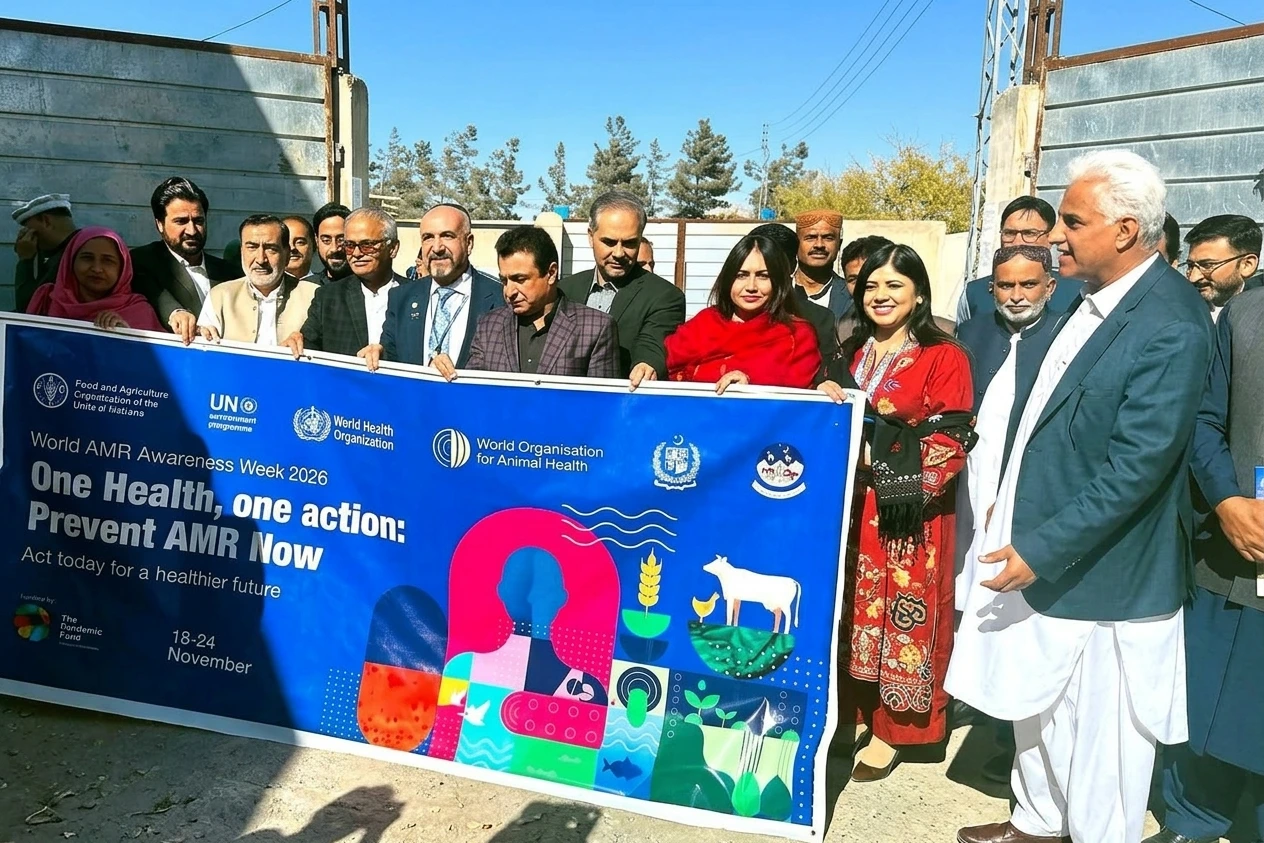
An awareness walk was also held, during which participants carried banners and raised slogans to promote AMR prevention and the responsible use of medicines.
Participants reaffirmed their commitment to continuing awareness campaigns and practical measures under the One Health approach to safeguard human health, animal health and the environment.