Prime Minister Shehbaz Sharif has called for simpler loan procedures and better financial guidance for small and medium-sized enterprises (SMEs), stressing that businesses should have easier access to banking facilities. The move aims to help entrepreneurs secure funding, expand operations and explore new opportunities in domestic and international markets.
The prime minister emphasized that financial institutions should make their lending systems more accessible and consider business performance and cash flow when assessing loan applications. The initiative is part of broader efforts to strengthen Pakistan’s business environment, encourage investment and support economic growth.
Background: Why Small Businesses Need Better Financial Access
Small and medium-sized enterprises play an important role in Pakistan’s economy. They support employment, contribute to industrial production and provide goods and services to local and international markets.
However, many business owners face difficulties when applying for bank loans. Complicated paperwork, collateral requirements, lengthy approval procedures and limited financial guidance often prevent smaller businesses from obtaining the funding they need.
The government has been working on several initiatives to address these challenges. Previous measures have focused on expanding credit facilities, improving digital banking services and encouraging financial institutions to increase lending to smaller enterprises.
Pakistan has also been working on a broader strategy to improve SMEs’ access to financing, particularly for entrepreneurs who want to expand their businesses and enter export markets.
PM Directs Banks to Simplify Business Loan Procedures
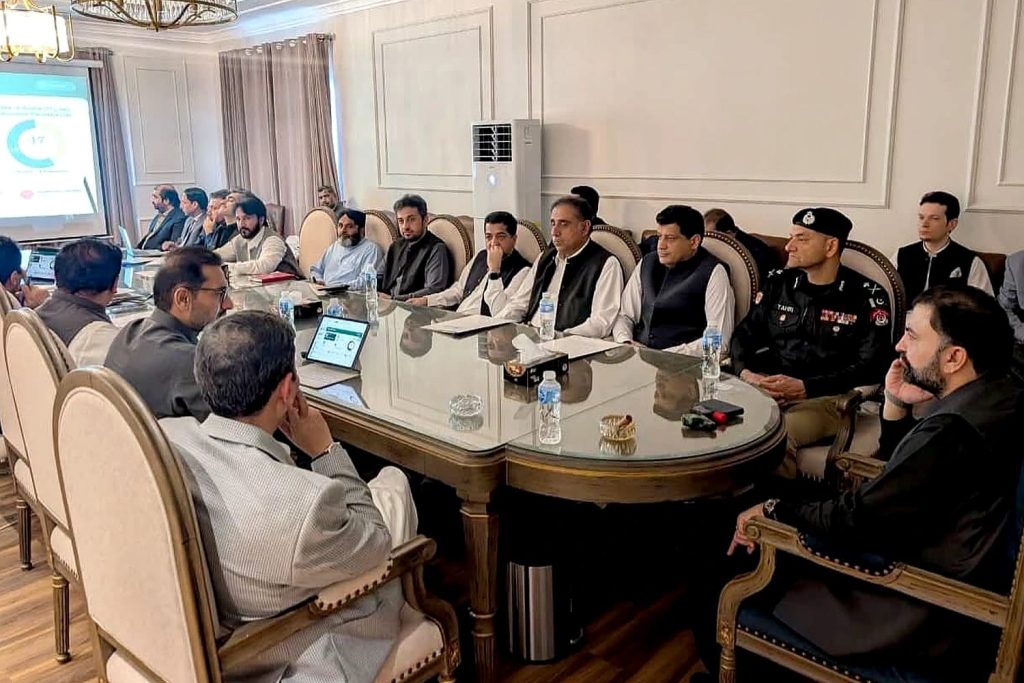
During a meeting on Friday, November 27, Prime Minister Shehbaz Sharif directed relevant authorities to make the process of obtaining business loans easier for small and medium-sized enterprises.
He stressed that banks should provide practical guidance to business owners throughout the financing process. This includes helping entrepreneurs understand documentation requirements, prepare applications and identify suitable financial facilities.
The prime minister also emphasized that access to financing should not become unnecessarily complicated for businesses with genuine growth potential.
He called for better coordination between banks, regulators and government institutions to improve the delivery of financial services.
Cash Flow and Export Records to Support Loan Applications
One important aspect of the latest instructions concerns how banks assess the financial strength of small businesses.
The prime minister directed financial institutions to consider verified export records available through the Pakistan Single Window when evaluating eligible businesses for financing.
He also highlighted the importance of cash flow information as an alternative measure when assessing a company’s ability to repay loans.
This approach could help businesses that have regular commercial activity but cannot provide conventional collateral.
The initiative may also encourage banks to use available digital records and business transaction information to make lending decisions more efficient.
Banks Asked to Improve Additional Financial Services
The prime minister also highlighted that financial support should extend beyond ordinary business loans.
He directed banks to facilitate small enterprises in obtaining letters of credit and bank guarantees. These services are particularly important for companies involved in international trade and commercial supply chains.
Letters of credit can help exporters and importers manage payment risks, while bank guarantees can support businesses participating in commercial agreements.
Improving access to these facilities could help smaller companies compete for larger contracts and establish relationships with international buyers.
Government Sets Ambitious SME Financing Targets
The meeting was also informed about the banking sector’s efforts to increase financial support for smaller businesses.
Banks expressed their commitment to providing Rs2,000 billion in loans to SMEs by June 2028. They also set a target of increasing the number of SME borrowers to 775,000.
These targets reflect the government’s broader effort to expand formal credit facilities and encourage more businesses to participate in the banking system.
However, achieving these objectives will require practical improvements in loan processing, financial assessment and communication between banks and applicants.
The government has also been considering institutional reforms and business support programmes. Its recent approval of SME facilitation centres at district level is another step aimed at helping entrepreneurs access business guidance and financial information.
Impact on Pakistan’s Economy and Business Community
Improved access to financing could have several important effects on Pakistan’s economy.
Small businesses often require funding to purchase machinery, increase production, hire employees and manage daily operating expenses. Without suitable financial support, even businesses with strong market demand may struggle to expand.
Simplified lending procedures could help reduce these obstacles and encourage entrepreneurs to approach formal financial institutions.
Employment and Business Expansion
Better financing opportunities may allow small enterprises to increase production and create additional employment opportunities.
Businesses operating in manufacturing, agriculture, retail and services could benefit from improved access to working capital and investment facilities.
This could also create opportunities for young entrepreneurs interested in launching new businesses.
Export Growth and International Trade
Easier financing could help smaller exporters purchase raw materials, improve product quality and fulfil international orders.
Access to letters of credit and bank guarantees may also make it easier for businesses to establish relationships with overseas buyers.
Pakistan’s broader economic strategy has increasingly focused on strengthening exports and improving competitiveness in international markets. The country’s Economic Survey 2025-26 also highlights the importance of trade diversification, investment and stronger productive capacity.
Greater Financial Inclusion
A more accessible lending system could bring additional businesses into formal banking channels.
Digital records, simplified applications and improved financial guidance may help banks assess businesses that previously struggled to qualify for conventional financing.
Nevertheless, transparent lending criteria and responsible credit assessment will remain essential to ensure that financing reaches eligible enterprises.
Challenges That Could Affect Implementation
Despite the government’s latest directions, several challenges need attention.
Many small businesses still operate with limited financial documentation. Some entrepreneurs also lack awareness of banking requirements and available financing facilities.
Banks will need to improve their assessment systems while ensuring that loan applicants receive clear information about eligibility, repayment conditions and required documents.
Another important challenge is ensuring that financing reaches businesses across different regions rather than remaining concentrated in major commercial centres.
The State Bank of Pakistan and relevant government institutions will have an important role in monitoring progress and addressing implementation problems.
What Happens Next?
The next stage will depend on how effectively banks and regulators translate the prime minister’s instructions into practical changes.
The commitment to increase SME lending by June 2028 provides a measurable target for the banking sector. However, businesses will be looking for faster application processing, clearer requirements and more accessible financial products.
Regular monitoring will also be important to determine whether smaller enterprises are actually receiving the promised support.
Conclusion
Prime Minister Shehbaz Sharif’s latest directions highlight the importance of improving financial access for small and medium-sized enterprises in Pakistan. Simplifying loan procedures, considering cash flow and export records, and improving access to banking facilities could help address some of the difficulties faced by entrepreneurs.
The commitment to provide Rs2,000 billion in SME financing by June 2028 represents an important target for the banking sector. Its success will depend on effective implementation, transparent lending practices and cooperation between financial institutions and businesses.
If these measures translate into accessible financial services, Pakistan’s small businesses could gain better opportunities to expand operations, create employment and contribute to export growth.
Frequently Asked Questions (FAQs)
1. Why has Prime Minister Shehbaz Sharif called for easier SME financing in Pakistan?
Prime Minister Shehbaz Sharif wants to improve access to financial resources for small and medium-sized enterprises because many businesses face difficulties obtaining bank loans. Complicated application procedures, collateral requirements and limited financial guidance can prevent eligible entrepreneurs from securing funding. Simplifying these processes could help businesses invest in equipment, increase production, create employment and explore new commercial opportunities.
2. What changes has the prime minister proposed for SME loan applications?
The prime minister has directed banks to simplify loan procedures and provide better guidance to applicants. He has also emphasized using available export records and business cash flow when assessing eligible enterprises. These measures are intended to help banks evaluate businesses more effectively, including companies that may not have sufficient conventional collateral but can demonstrate genuine commercial activity and repayment capacity.
3. How much financing do Pakistani banks aim to provide to SMEs by 2028?
Banks have expressed their commitment to providing Rs2,000 billion in loans to small and medium-sized enterprises by June 2028. They have also committed to increasing the number of SME borrowers to 775,000. These targets are intended to expand access to formal financial services and support businesses operating across different sectors of Pakistan’s economy.
4. How can easier business loans benefit Pakistan’s economy?
Easier access to business financing can help entrepreneurs purchase machinery, increase production, manage operating expenses and expand their companies. It may also encourage new business development and create additional employment opportunities. Export-oriented enterprises could benefit from improved access to trade financing and banking guarantees, potentially helping Pakistani products reach more international markets.
5. What role will banks and the State Bank of Pakistan play in improving SME financing?
Commercial banks will be responsible for improving loan application procedures, assessing eligible businesses and expanding financial services. The State Bank of Pakistan will play an important regulatory and monitoring role by supporting a more accessible financing environment. Effective coordination between banks, regulators and government institutions will be necessary to ensure that financing targets translate into practical benefits for small businesses.