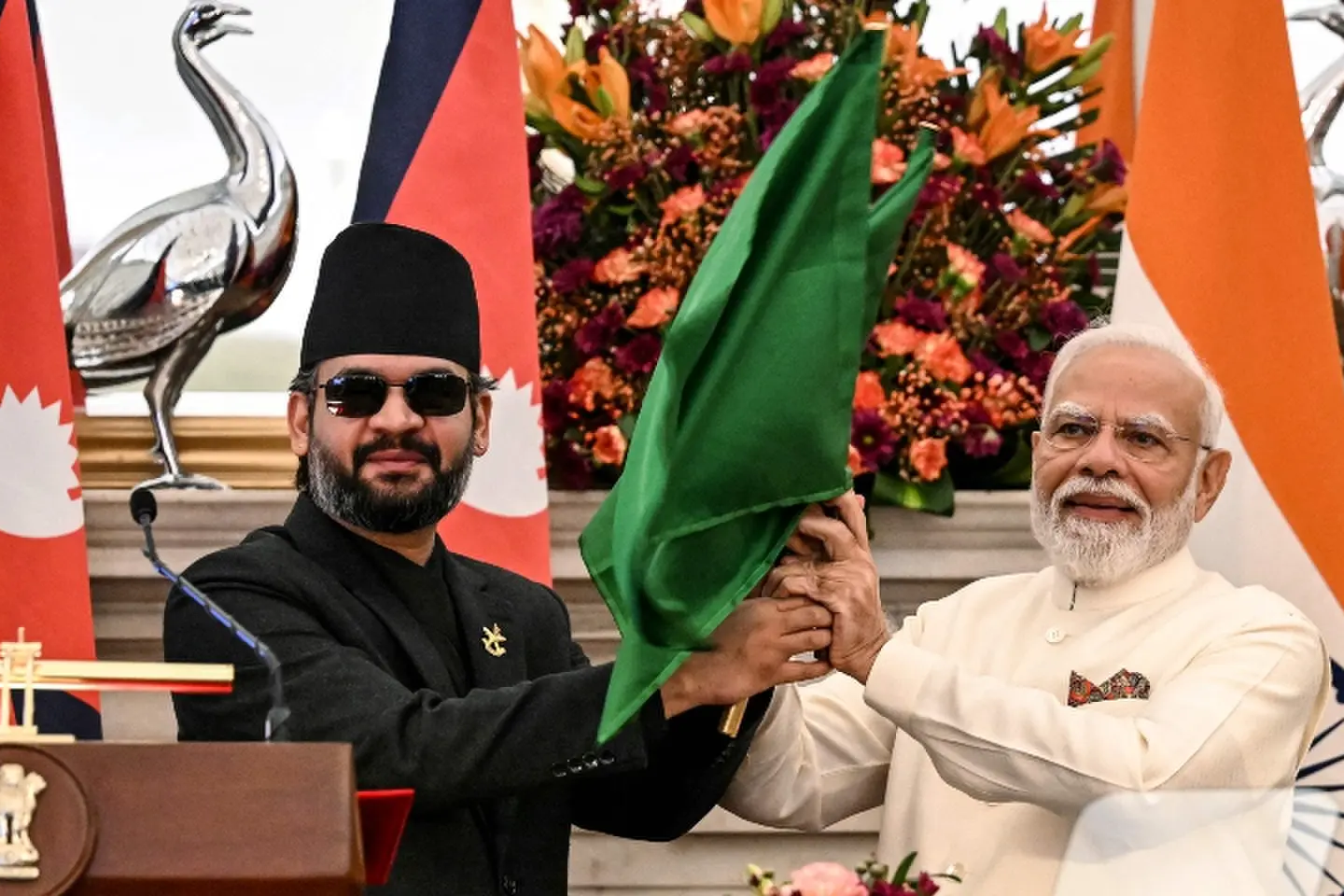
India has announced a major economic assistance package worth $1.62 billion to help Nepal recover from the devastating floods that struck the Himalayan nation in August 2026. Indian Prime Minister Narendra Modi announced the support following talks with Nepalese Prime Minister Balendra Shah in New Delhi on November 23.
The financial commitment is expected to support reconstruction, restore damaged infrastructure and improve long-term development opportunities. The announcement also highlights the importance of cooperation between the two neighbouring countries during a period of serious humanitarian and economic challenges.
Background: Nepal Faces a Devastating Natural Disaster
Nepal experienced one of its most destructive natural disasters on August 26, 2026, when a massive flood swept through parts of the Himalayan region. The disaster followed a glacier-related collapse near Nepal’s border with China, sending enormous amounts of water, mud and rocks into the Trishuli River system.
The powerful flow caused widespread destruction across several communities. Homes were buried under debris, roads and bridges were washed away, and electricity and communication infrastructure suffered extensive damage.
The human consequences were equally devastating. Approximately 1,500 people were reported killed, while more than 5,200 remained missing and were presumed dead in initial reports. Thousands of families also lost their homes, businesses and sources of income.
The disaster created an enormous challenge for Nepal’s government, which must now balance emergency assistance with the difficult task of rebuilding affected communities.
India Announces $1.62 Billion Economic Assistance
During his meeting with Nepalese Prime Minister Balendra Shah, Narendra Modi announced a development cooperation package worth 240 billion Nepalese rupees, equivalent to approximately $1.62 billion.
The announcement came during Shah’s first bilateral visit to India since becoming prime minister in March 2026.
Modi said the assistance was intended to provide fresh momentum to Nepal’s reconstruction and long-term development. He also emphasised that the commitment would help affected families rebuild their lives, create new opportunities and strengthen the country’s ability to respond to future disasters.
The announcement represents a significant financial commitment from India at a time when Nepal requires substantial international support.
However, the detailed breakdown of the package and the timetable for individual projects were not immediately announced.
Narendra Modi and Balendra Shah Discuss Stronger Cooperation
The meeting between the two prime ministers focused on strengthening economic relations and expanding cooperation between their countries.
Modi expressed India’s commitment to supporting Nepal during difficult circumstances. He also highlighted the importance of maintaining strong relations between the neighbouring nations.
Nepalese Prime Minister Balendra Shah welcomed India’s assistance and acknowledged its previous role in responding to natural disasters.
Shah thanked India for consistently acting as a first responder during difficult periods. He also invited Indian investors to explore opportunities in Nepal and contribute to the economic development of both countries.
The discussions reflected a shared interest in improving trade, investment, transportation and regional connectivity.
Reconstruction Needs Extend Beyond Financial Assistance
Although the $1.62 billion commitment is an important development, Nepal’s recovery will require more than financial assistance.
The August disaster damaged essential infrastructure and disrupted economic activities across affected areas. Rebuilding roads, bridges, power networks and residential communities will require careful planning and long-term investment.
Agriculture is another important concern. Many families depend on farming and local businesses for their livelihoods. Damage to agricultural land, transportation routes and commercial facilities can create long-lasting financial difficulties.
Restoring these economic activities will be essential to helping communities regain stability.
The government must also prioritise safer construction standards and improved disaster management systems. Without stronger protective measures, vulnerable communities could face similar risks in the future.
India and Nepal Strengthen Regional Connectivity
Alongside the economic assistance announcement, the two countries took further steps to strengthen transportation and economic cooperation.
Modi and Shah jointly inaugurated a cross-border railway connection, marking another development in regional connectivity.
Improved railway services can support passenger movement, trade and commercial activities between the neighbouring countries. Better transportation infrastructure may also help businesses access wider markets and reduce logistical challenges.
India and Nepal share longstanding cultural, economic and people-to-people connections. Their open border allows thousands of people to travel and work across the two countries.
Stronger transportation links could provide additional opportunities for investment and regional economic growth.
Regional and Economic Impact of the Package
The Indian assistance package could have implications beyond Nepal’s immediate recovery.
First, reconstruction investment may help restore economic activity in areas affected by the floods. Better roads, bridges and electricity networks can support businesses, agriculture and transportation.
Second, stronger cooperation between India and Nepal could encourage additional regional investment. Infrastructure development often creates opportunities for construction companies, suppliers, transport operators and local businesses.
Third, the announcement highlights the importance of regional cooperation in responding to climate-related disasters.
The Himalayan region faces growing environmental challenges, including glacier instability, changing rainfall patterns and flood risks. These problems do not always respect national borders, making cooperation between neighbouring countries increasingly important.
For Nepal, international assistance will remain valuable as it works to restore essential services and rebuild damaged communities.
What Happens Next?
The success of the reconstruction package will depend on how effectively the announced assistance is implemented.
Nepal will need transparent project planning, effective financial management and close coordination with Indian authorities. Priority should be given to communities that suffered the greatest damage and families that continue to face displacement and economic hardship.
The timely restoration of transportation, electricity, healthcare and educational facilities will also be important.
Both countries may benefit from establishing clear priorities for infrastructure investment and disaster preparedness. Long-term cooperation could help Nepal develop stronger emergency response systems and reduce the risks associated with future natural disasters.
Conclusion
India’s $1.62 billion reconstruction package marks an important step towards supporting Nepal after the devastating Himalayan floods of August 2026. The announcement by Narendra Modi following talks with Balendra Shah demonstrates the significance of regional cooperation during humanitarian emergencies.
However, financial assistance alone cannot guarantee a successful recovery. Effective implementation, transparent spending and long-term investment in safer infrastructure will determine how quickly affected communities return to normal life.
As India and Nepal strengthen their economic and transportation ties, their cooperation could also provide a foundation for improved disaster preparedness and sustainable development across South Asia.
Frequently Asked Questions
1. How much financial assistance has India announced for Nepal?
India has announced an economic assistance package worth 240 billion Nepalese rupees, equivalent to approximately $1.62 billion. Prime Minister Narendra Modi said the development cooperation package would support Nepal’s reconstruction, long-term development and efforts to strengthen its ability to deal with future disasters.
2. Why does Nepal need India’s economic assistance?
Nepal suffered extensive destruction during the August 2026 Himalayan floods. The disaster damaged homes, roads, bridges, electricity networks and other essential infrastructure. Thousands of people were killed or reported missing, while many families lost their livelihoods. Financial assistance is therefore important for rebuilding communities and restoring economic activities.
3. When did the devastating floods occur in Nepal?
The major disaster occurred on August 26, 2026. A glacier-related collapse near Nepal’s border with China triggered a destructive flow of water, mud and rocks into the Trishuli River system. The resulting floods caused widespread damage across several areas and created serious humanitarian challenges.
4. What did Narendra Modi say about India’s support for Nepal?
Narendra Modi said India’s commitment was to help affected families get their lives back on track, create new opportunities and strengthen Nepal’s capacity to deal with future disasters. His announcement presented the assistance as part of a broader effort to support reconstruction and long-term development.
5. How could the India Nepal reconstruction package affect regional relations?
The package could strengthen economic cooperation, encourage investment and improve transportation connectivity between India and Nepal. It may also support broader regional collaboration on disaster preparedness and infrastructure development. Its long-term impact will depend on effective implementation and the ability of both governments to turn financial commitments into practical improvements for communities.