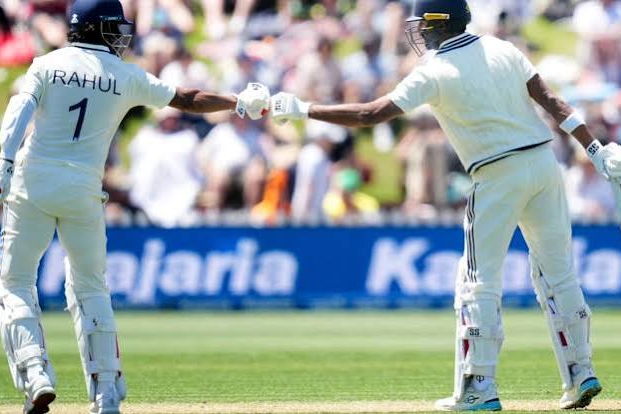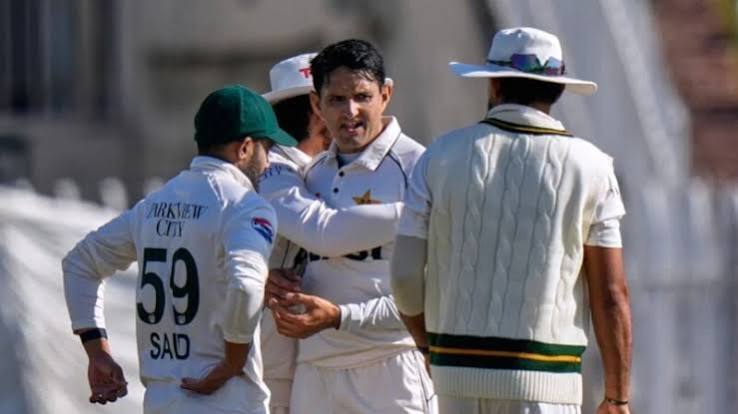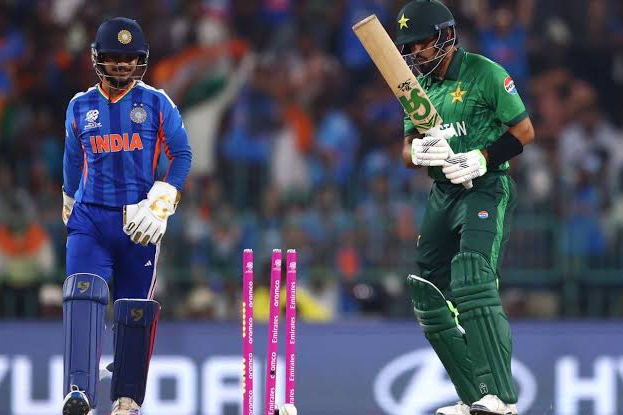
India-Pakistan cricket matches remain among the most closely followed sporting events in the world, attracting millions of viewers despite ongoing political tensions between the neighbouring countries. Although regular bilateral cricket series have remained suspended for years, both teams continue to face each other in major international tournaments. The popularity of these encounters reflects the historical importance of the rivalry, the commercial value of international cricket and the passion of supporters across South Asia.
The rivalry goes beyond ordinary sporting competition. Every encounter attracts significant media coverage, creates excitement among fans and places additional pressure on players. International tournament arrangements, neutral venues and broadcasting interests have helped ensure that these fixtures remain part of the global cricket calendar.
Background of India-Pakistan Cricket Rivalry
India and Pakistan share one of the longest and most recognised rivalries in international cricket. Their cricketing history dates back to 1952, when Pakistan toured India for its first Test series. Since then, matches between the two countries have become major sporting occasions, attracting attention from cricket supporters worldwide.
For decades, bilateral series provided regular opportunities for both teams to compete. However, political disagreements and security concerns gradually affected sporting relations. The situation became increasingly complicated, resulting in the suspension of regular bilateral cricket.
Pakistan’s limited-overs tour of India in 2012-13 was the last bilateral series between the senior men’s teams. Their last Test series took place in 2007. Since then, most encounters have occurred during international competitions such as the ICC Cricket World Cup, Champions Trophy and Asia Cup.
Despite the absence of regular bilateral cricket, supporters in both countries continue to follow every meeting with considerable enthusiasm.
Why India and Pakistan Continue Meeting in International Tournaments
International Cricket Commitments
One of the main reasons India and Pakistan continue playing against each other is their participation in international tournaments.
Bilateral series and multilateral competitions operate under different arrangements. Bilateral cricket requires two national cricket boards to agree on a dedicated series, including dates, venues and other administrative matters.
Multilateral tournaments involve several participating countries competing within a common competition. These events are organised under the rules and schedules established by international cricket authorities.
The International Cricket Council and Asian Cricket Council provide platforms where both teams can compete without necessarily restoring regular bilateral cricket.
This distinction has allowed India and Pakistan to remain part of major international tournaments despite their difficult sporting relationship.
Importance of ICC and ACC Tournaments
The ICC organises major international competitions involving the world’s leading cricket teams. These tournaments attract global audiences and provide opportunities for players to compete at the highest level.
Similarly, the Asian Cricket Council organises regional competitions that bring together several Asian cricketing nations.
The Asia Cup has regularly provided opportunities for India and Pakistan to face each other. These encounters are particularly important because both countries have large cricket-following populations.
International tournaments also provide emerging players with opportunities to experience the pressure of competing against one of their country’s biggest sporting rivals.
Commercial Value of India-Pakistan Cricket Matches
Commercial interests are another important factor behind the continued popularity of India-Pakistan cricket matches.
These fixtures attract enormous television audiences, making them valuable for broadcasters, advertisers and sponsors. The interest surrounding the rivalry often extends beyond the countries involved, reaching cricket supporters in the United Kingdom, Australia, the Middle East, North America and other international markets.
Broadcasting and Advertising Revenue
Television broadcasting plays a major role in the commercial structure of international cricket.
Broadcasters compete for media rights because matches involving India and Pakistan can attract significant viewership. Advertising companies also recognise the opportunity to reach large audiences during these high-profile encounters.
Commercial breaks, sponsorship placements and promotional campaigns become important sources of revenue.
The financial importance of these matches can also influence how broadcasters evaluate international tournament packages. Fixtures involving popular cricketing nations often increase the overall commercial appeal of competitions.
Sponsorship and Brand Promotion
Major brands frequently use international cricket events to connect with audiences.
India-Pakistan encounters offer sponsors opportunities to promote products and services through television advertisements, stadium branding and digital campaigns.
Companies also benefit from discussions and engagement across social media platforms. Match-related content can reach millions of people within a short period, increasing the visibility of participating brands.
However, commercial interests are only one part of the explanation. The sporting history and international significance of the rivalry also contribute to its continued popularity.
Neutral Venues Help Keep the Rivalry Alive
Neutral venues have become an important part of organising India-Pakistan cricket matches.
Political and security concerns have made it difficult for the two countries to regularly host each other’s teams. As a result, alternative locations have provided practical solutions for international tournament organisers.
Under the arrangements introduced for specified ICC events through 2027, India-Pakistan matches at tournaments hosted by either country can take place at neutral venues.
The arrangement became particularly important during the 2025 ICC Champions Trophy. Pakistan hosted the competition, while India’s matches were played in Dubai under the agreed arrangements.
Neutral venues allow tournament schedules to continue without requiring either team to travel to the other’s country.
However, these arrangements also involve additional planning. Organisers must consider travel, accommodation, security, stadium availability and other logistical requirements.
Despite these challenges, neutral venues have helped preserve opportunities for the two teams to compete internationally.
Recent Encounters Demonstrate the Rivalry’s Continuing Importance
The India-Pakistan rivalry is not limited to senior international cricket. Younger players and emerging teams also participate in competitions that bring the neighbouring countries together.
On November 22, 2026, Pakistan Shaheens defeated India A by 48 runs in the Asia Cup Rising Stars tournament in Doha, Qatar. The result attracted attention from supporters and highlighted the competitive nature of emerging-player cricket.
The encounter followed the Under-19 Asia Cup final on November 14, when India defeated Pakistan by one wicket in Oman.
These matches demonstrate that the rivalry continues across different levels of the game.
Young cricketers gain valuable experience by competing in high-pressure international environments. They also receive opportunities to demonstrate their abilities in front of large audiences.
For supporters, these competitions provide an opportunity to follow the next generation of players who may eventually represent their senior national teams.
Pressure on Players and Team Management
India-Pakistan encounters create a different level of pressure compared with many other international cricket matches.
Players understand that their performances will receive considerable attention from supporters and media organisations. Even a small mistake can become a major discussion point after the match.
The expectations are particularly high because supporters often connect cricketing performances with national pride.
Team management must therefore focus on preparation, discipline and maintaining a balanced approach. Coaches and captains need to ensure that players concentrate on their responsibilities rather than external pressure.
Young cricketers can find these circumstances especially challenging. Playing in front of large audiences while representing their country requires mental preparation and professional discipline.
Sportsmanship is equally important. Respect between players helps maintain the positive values associated with international cricket, even when competition becomes intense.
Role of Cricket Administrators
International cricket administrators play an important role in ensuring that India-Pakistan encounters take place under established tournament arrangements.
The ICC is responsible for organising major international competitions and maintaining the broader structure of international cricket. Its decisions regarding tournament schedules, venues and participation can directly influence opportunities for the two countries to compete.
The Asian Cricket Council also contributes by organising regional tournaments and providing opportunities for Asian teams to participate in international competitions.
Cricket boards must coordinate with tournament organisers to address scheduling and administrative requirements.
However, these decisions do not take place independently of political circumstances. Government policies, security assessments and diplomatic relations can influence travel arrangements and hosting decisions.
As a result, international cricket administrators often have to balance sporting commitments with practical and political considerations.
Global Impact of the India-Pakistan Cricket Rivalry
The influence of India-Pakistan cricket matches extends well beyond South Asia.
International supporters follow these encounters because of their history, competitive atmosphere and importance in world cricket. The matches also receive extensive coverage from international sports media.
For overseas communities, these fixtures provide opportunities to celebrate their sporting traditions and connect with supporters from different backgrounds.
Digital platforms have further expanded the rivalry’s international reach. Live updates, match highlights, interviews and discussions allow supporters to follow the action even when they cannot watch the match on television.
Social media also creates opportunities for players, cricket boards and broadcasters to engage with international audiences.
At the same time, the intensity surrounding these matches can sometimes lead to heated discussions. Maintaining a respectful environment is important for ensuring that sporting competition does not become a source of unnecessary hostility.
Cricket as a Platform for Sporting Cooperation
Although political disagreements continue to affect relations between India and Pakistan, cricket provides an opportunity for sporting interaction.
International competitions demonstrate that athletes from both countries can compete under shared rules and professional standards.
The presence of both teams in major tournaments also highlights the importance of international sporting organisations in maintaining competition across national boundaries.
Cricket cannot independently resolve diplomatic disagreements. However, respectful sporting encounters can help promote values such as discipline, teamwork and mutual respect.
Players have an important responsibility in this regard because their conduct can influence millions of supporters.
A competitive match can remain intense while still respecting the spirit of the game.
Future of India-Pakistan Cricket Matches
The future of India-Pakistan cricket will depend on several factors, including political developments, international tournament schedules and decisions by cricket administrators.
For now, ICC and ACC competitions remain the primary platforms through which the two teams can meet.
The 2027 ODI World Cup will provide another major opportunity for international competition. Tournament organisers and cricket boards will need to finalise the necessary arrangements in accordance with the applicable hosting and participation policies.
A return to regular bilateral cricket remains uncertain. Any progress would require agreement between the relevant cricket boards and consideration of wider government and security concerns.
Nevertheless, the continued popularity of these encounters demonstrates that supporters remain interested in seeing the teams compete.
Future tournaments are likely to attract considerable attention whenever India and Pakistan appear on the same schedule.
Conclusion
India-Pakistan cricket matches continue to hold an important position in international cricket despite political tensions and the suspension of regular bilateral series. ICC and ACC tournaments, neutral venue arrangements and strong global interest have allowed the rivalry to remain part of the international sporting calendar.
Commercial opportunities also contribute to the importance of these encounters, particularly for broadcasters, sponsors and tournament organisers. However, the historical significance of the rivalry and the passion of supporters remain equally important.
As both countries continue participating in international competitions, their cricketing encounters will attract attention from millions of fans. The responsibility of players, administrators and supporters is to preserve the competitive excitement while promoting professionalism, respect and the positive values of international sport.