(By: Muhammad Mohsin Iqbal)
In the struggle for survival, countless people risk their lives every day simply to earn enough to feed their families. During the scorching months of May and June, men stand beside blazing tandoors, baking bread in suffocating heat. Others repair roads, carry heavy loads and lift stones under the relentless sun. Thousands travel to Gulf countries, working as masons and construction labourers in extreme temperatures, often far above 50°C, while remaining separated from their families.
Their ambition is simple: to earn an honest livelihood and provide a better future for their loved ones. Poverty forces them to endure hardships that few would willingly accept.
The Exploitation of Vulnerable Workers
Among the many forms of human suffering, few are as shameful as the exploitation of people who have neither a voice nor the power to defend themselves. Across Pakistan, many families working at brick kilns remain trapped in cycles of debt and exploitation. Their freedom is restricted, their labour undervalued and their dignity denied. They are treated not as human beings entitled to respect, but as possessions controlled by those who employ them.
This tragedy becomes even more disturbing when exploitation moves from remote rural settlements into the homes of wealthy and influential families in major cities. Feudal landlords and tribal chiefs have historically exercised control over vulnerable workers, sometimes justifying their conduct in the name of local customs and traditions. But no custom can justify cruelty, humiliation or the denial of basic human rights.
The Silent Suffering of Child Domestic Workers
One of the most vulnerable groups consists of young domestic workers, particularly girls between the ages of eleven and seventeen. Many come from poor rural families. Their parents, struggling to meet basic needs, are offered a small monthly salary, food and accommodation, along with promises that their daughters’ future marriage expenses will be covered.
For desperate families, these assurances may appear to offer security. Trusting such promises, parents send their daughters into unfamiliar households, hoping they will find protection and a better future.
Unfortunately, what begins as an opportunity can become a nightmare.
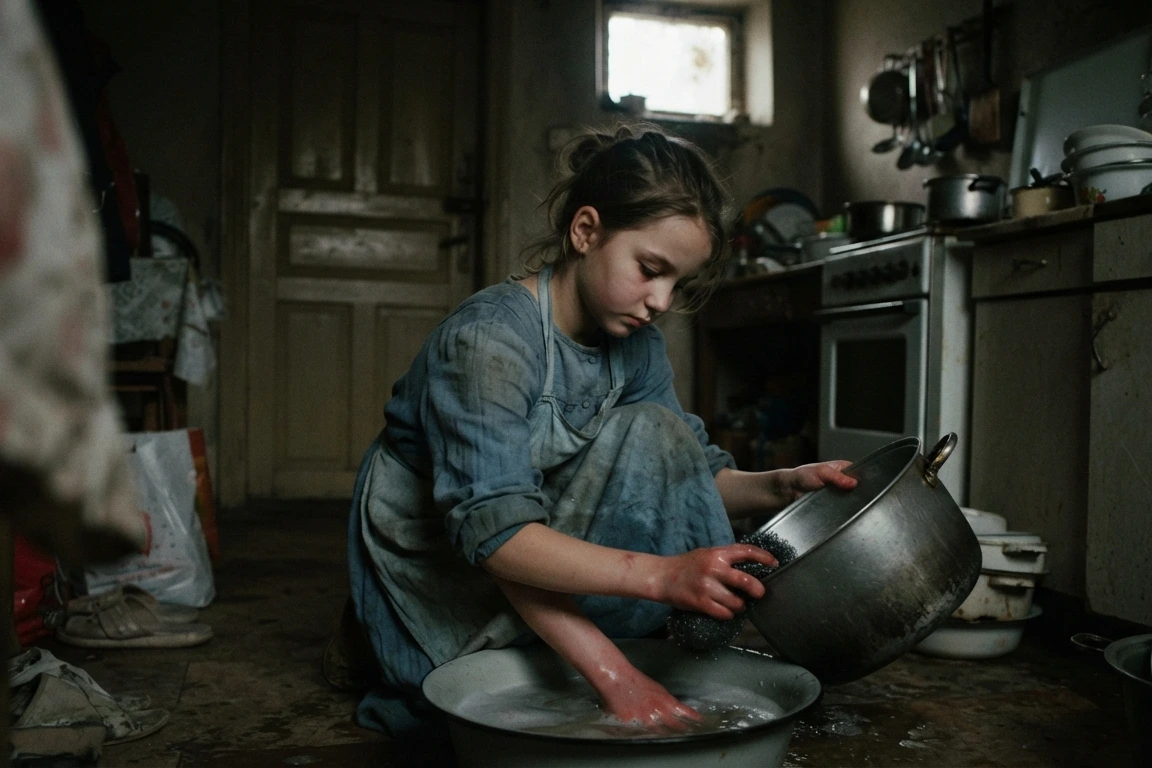
These children may be expected to work from early morning until late at night, performing household duties without adequate rest. They lose the opportunity to attend school, enjoy childhood or spend time with their families. Even a minor mistake, an accidental breakage or an inability to meet unreasonable demands can trigger anger and physical punishment.
In some horrifying cases, such abuse has resulted in the deaths of innocent children.
Violence Behind Closed Doors
Reports of violence against domestic workers are particularly disturbing because the victims are often too young and powerless to seek help. Medical examinations and post-mortem findings in individual cases can reveal injuries that tell stories of suffering the victims were unable to share. Bruises, burns and other wounds may become the only testimony left behind.
Equally alarming is the treatment of families seeking justice. Poor parents may face pressure, threats or financial inducements to remain silent. In some cases, attempts are made to settle matters through monetary compensation, reducing the death of a child to a financial dispute.
No amount of money can replace an innocent life. Nor should wealth, social status or political influence determine whether someone is held accountable under the law.
Justice Must Reach Behind Closed Doors
This is not simply an issue of domestic employment. It is a question of humanity, justice and the moral values of our society.
The Constitution of Pakistan guarantees human dignity and protection against exploitation. Children also deserve special protection under the law. These constitutional principles must translate into practical action. No private residence should become a place where violence can be hidden behind closed gates.
The state must strengthen the enforcement of child protection laws, ensure effective monitoring of domestic employment, investigate allegations promptly and protect witnesses and victims’ families from intimidation. Those found guilty of abuse must face accountability through fair and transparent legal proceedings.
Parents and Society Share a Responsibility
Parents also need greater awareness and support. Poverty can force families into difficult choices, but children should never have to sacrifice their childhood to survive. The government and society must expand access to education, social protection and decent employment so that desperate families are not compelled to place their children in unsafe environments.
At this point, the words attributed to Hazrat Umar (May Allah be pleased with him) deserve particular reflection:
“If even a single dog were to die of thirst on the banks of the Euphrates, I would be held accountable for it on the Day of Judgment.”
These words represent a profound understanding of responsibility and accountability. They remind us that accountability extends even to the suffering of a voiceless creature.
If such responsibility was recognised for an animal, how can we remain indifferent to the suffering of innocent children entrusted to human care? The question is not only what their employers have done, but also what we, as a society, have allowed through our silence.
The Time to Restore Our Humanity
A nation cannot claim to be civilised merely because its cities have magnificent houses, modern roads and prosperous markets. Its true character is reflected in how it treats those who have neither wealth nor influence.
The hands that bake our bread, construct our buildings and clean our homes deserve dignity and respect, not exploitation. Above all, every child deserves protection, education, affection and the freedom to live without fear.
The time has come to open not only the doors of these houses but also the doors of our collective conscience. When the cries of the helpless no longer disturb society, its greatest tragedy is no longer poverty. It is the death of humanity.