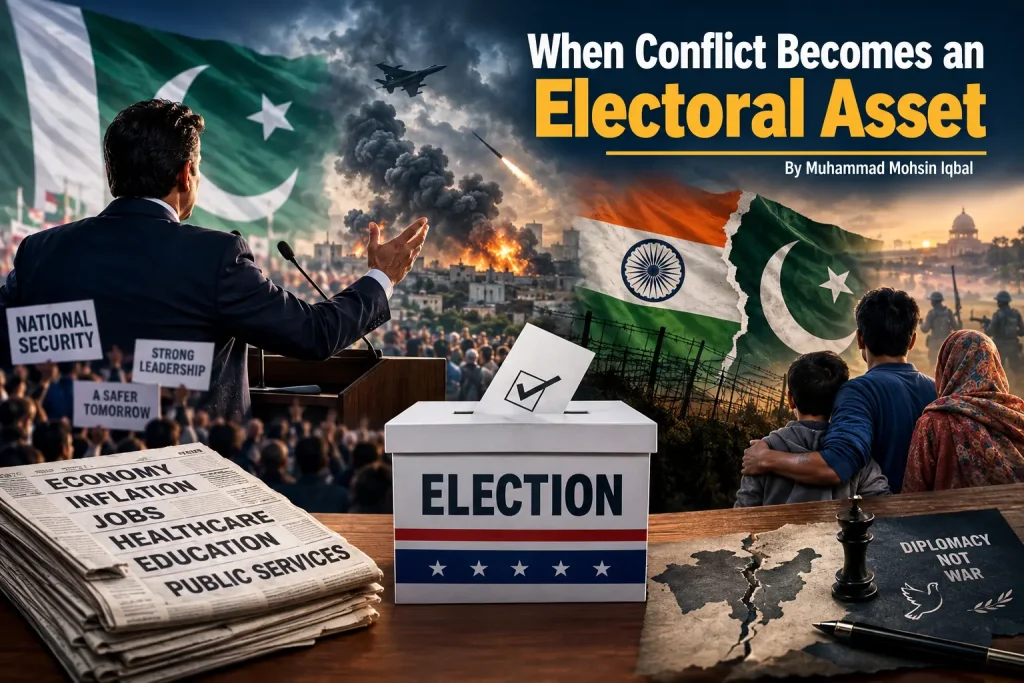
Kashmir Black Day highlights the sacrifices of the Kashmiri people, their demand for self-determination, and calls for a peaceful and just resolution of the longstanding dispute.
Attock (Special Article: Ijaz-ul-Hassan)
October 27 is observed as Kashmir Black Day by Pakistanis, Kashmiris, and supporters of the Kashmiri cause around the world. The day commemorates a pivotal event in the history of Jammu and Kashmir and draws attention to the longstanding dispute that continues to affect peace and stability in South Asia.
On October 27, 1947, Indian troops entered Srinagar, marking a significant turning point in the history of Jammu and Kashmir. Pakistan and Kashmiri leaders have maintained that subsequent developments did not reflect the aspirations of the Kashmiri people. Since then, the question of Kashmir’s political future and the right of its people to self-determination have remained central to the dispute.
Sacrifices and Determination of the Kashmiri People
The people of Indian-administered Jammu and Kashmir have faced serious challenges concerning fundamental rights, political freedoms, identity, and self-determination. Reports of loss of life, arrests, family separations, and restrictions on civil liberties have kept international attention focused on the situation.
Kashmir Black Day is more than a remembrance of a historical event. It is also an opportunity to highlight the need for a peaceful and lasting resolution that addresses human rights, justice, and the aspirations of the people concerned.
The continued focus on Kashmir reflects the importance of resolving longstanding disputes through dialogue, diplomacy, and respect for fundamental rights. A sustainable settlement would also contribute to greater stability across South Asia.
United Nations and the International Community
The United Nations and the international community have an important role in efforts to resolve the Kashmir dispute. The UN Security Council has adopted several resolutions concerning Kashmir, establishing an international framework for addressing aspects of the dispute.
However, the issue remains unresolved. Continued diplomatic engagement and dialogue among the parties concerned remain important to reducing tensions and exploring a peaceful settlement.
The international community can contribute by supporting human rights, encouraging restraint, and promoting meaningful diplomatic engagement. Sustained attention to the dispute is essential to keeping the prospects for a peaceful resolution on the international agenda.
Pakistan Reaffirms Solidarity with Kashmiris
Pakistan supports the right of the Kashmiri people to self-determination and calls for a peaceful, just, and lasting resolution of the dispute. On Kashmir Black Day, Pakistanis express solidarity with Kashmiris and remember the sacrifices made throughout the decades-long conflict.
The occasion also provides an opportunity to raise awareness of the issue through peaceful and responsible advocacy. Protecting human life, respecting fundamental rights, and pursuing diplomatic solutions should remain important priorities despite political differences and regional tensions.
Peace and Justice Remain Central to Kashmir’s Future
October 27 serves as a reminder that longstanding disputes require sustained efforts through dialogue, diplomacy, and respect for human dignity. A peaceful resolution of the Kashmir dispute is important for the future of the Kashmiri people and for stability in Pakistan, India, and the wider South Asian region.
The international community is urged by supporters of the Kashmiri cause to maintain attention on the dispute, promote the protection of fundamental rights, and encourage peaceful negotiations.
The Kashmir issue extends beyond territorial claims. It involves the political aspirations, rights, and future of millions of people. Kashmir Black Day renews calls for a resolution grounded in justice, meaningful dialogue, and respect for the aspirations of those affected by the dispute.