


Summary
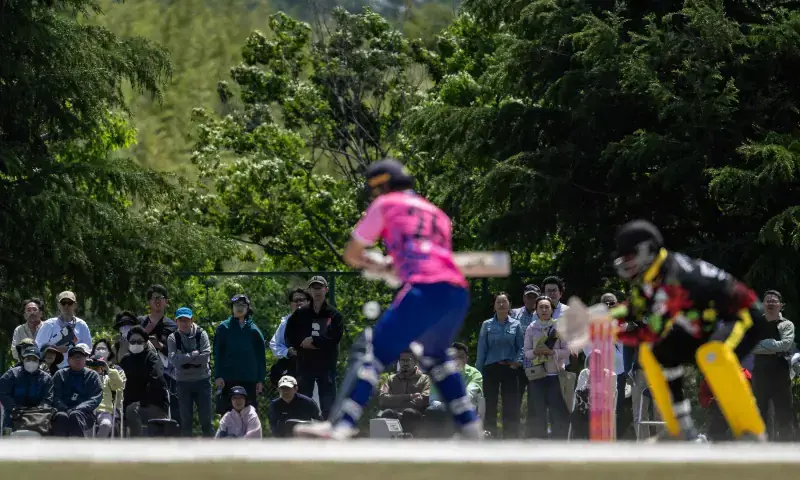
Japan cricket diplomacy has entered a new phase as the Japan Cricket Association (JCA) prepares to host T20 world champions India in Sano on September 22. The fixture marks the first time Japan, an ICC associate member, will face a full ICC member nation on home soil, and it comes wrapped in months of quiet political groundwork.
Background
For decades, cricket in Japan has lived far outside the national conversation. Baseball dominates every level of Japanese sport, from school playgrounds to prime-time television, leaving little space for a bat-and-ball game most Japanese fans associate with Britain or the Commonwealth.
That picture is now shifting. Japan cricket development has picked up pace over the past few years, helped along by corporate sponsors, patient administrators, and a government that increasingly sees sport as a diplomatic tool. The JCA has spent more than a year working behind the scenes to turn that interest into fixtures against major cricketing nations.
Details
The India Fixture
The centrepiece of this diplomatic push is the T20 International between Japan and India, scheduled for September 22 in Sano. India, the reigning men’s T20 World champions, agreed to the tour only after sustained lobbying from the JCA toward its Indian counterpart, the BCCI. Momentum built further once the Japanese government stepped in to support the initiative directly.
A Political Backdrop
The match is not an isolated sporting fixture. Japan’s Prime Minister Sanae Takaichi met Indian Prime Minister Narendra Modi in New Delhi in July, where the two leaders agreed to mark the 75th anniversary of diplomatic relations between their countries with a cricket contest. That agreement gave the JCA’s cricket promotion efforts a level of political weight rarely seen for a minor sport in Japan.
Asian Games Add Scale
Beyond the India match, Japan is hosting the cricket competition at the 2026 Asian Games in Aichi Prefecture, at a repurposed baseball venue in Nisshin. Pakistan, Sri Lanka, Bangladesh, and Afghanistan will all compete there, giving Japanese fans a rare fortnight of top-tier international cricket on home soil.
The Numbers Behind the Sport
Japan cricket growth still has a long way to go by global standards. The country currently has only around 7,300 registered players and 16 cricket grounds nationwide. The women’s national T20 side sits 39th in the world rankings, two places above the men’s team, underlining how early-stage the Japanese cricket team’s development remains.
Quotes
JCA Chief Executive Naoki Alex Miyaji struck a cautious but hopeful tone about what this stretch of cricket can achieve. He said a single match or tournament will not transform the sport’s standing overnight, and that nobody at the JCA expects cricket to rival baseball or football in Japan any time soon.
Miyaji described the India fixture differently, though, calling it the opening chapter of a new period for the sport in the country. His comments reflect years of patient administrative work rather than sudden optimism.
Impact
For Japan, the diplomatic and sporting stakes overlap. A successful India fixture and a smooth Asian Games cricket tournament would give the JCA fresh leverage to expand grassroots programmes, attract more sponsors, and push cricket development in Japan beyond a small enthusiast base.
Regionally, the match also reinforces cricket’s growing use as a soft-power tool across Asia. India’s willingness to tour Japan, even briefly, signals that cricketing nations increasingly see value in expanding the sport’s footprint into non-traditional markets, particularly ones with Japan’s economic weight and global sporting infrastructure.
Conclusion
Japan cricket diplomacy efforts are still in their early stages, and administrators are careful not to oversell what a fortnight of high-profile matches can deliver. Even so, the combination of political backing, corporate interest, and a first-ever meeting with an ICC full member gives the sport a visibility it has rarely enjoyed in Japan. What happens after the final ball in Sano and Nisshin will determine whether this becomes a genuine turning point or a brief moment in the spotlight.
Frequently Asked Questions
Is cricket becoming popular in Japan?
Cricket is still a minor sport in Japan compared with baseball and football, but interest has grown steadily in recent years. The Japan Cricket Association has worked with corporate sponsors and government officials to organise high-profile fixtures, including a T20 match against India and Asian Games matches against several major cricketing nations. Registered player numbers remain modest at around 7,300, but administrators describe the current period as an important step toward wider recognition of the sport within the country.
Is Japan having a cricket team?
Yes, Japan has both men’s and women’s national cricket teams that compete internationally as an associate member of the International Cricket Council. The Japanese cricket team has taken part in regional qualifying tournaments and practice tours, including matches against Sri Lankan age-group squads. The women’s team currently ranks 39th in the world, placing slightly ahead of the men’s side, and both squads are expected to gain further experience through the upcoming Asian Games cricket competition.
What do crickets symbolize in Japanese culture?
Outside of the sport, crickets the insects hold a distinct place in traditional Japanese culture, where their chirping has long been associated with the changing seasons, particularly autumn. Crickets have appeared in classical Japanese poetry and folklore as symbols of transience and the passage of time. This cultural association is separate from the sport of cricket, which was introduced to Japan much later through international trade and expatriate communities.