Summary
Tuesday’s meeting between Prime Minister Shehbaz Sharif and KP Governor Faisal Karim Kundi was framed as a push for harmony. But it also highlights a pattern that has repeated for months: the federal government and KP government keep running into friction, and short meetings alone rarely settle it. Here is the context behind Tuesday’s talks and why they matter.
Background
Khyber Pakhtunkhwa has been governed by the PTI since the last general election, while the Centre is run by a PML-N-led coalition. That split has produced friction on multiple fronts. KP officials have accused Islamabad, Punjab, and Sindh of blocking wheat supplies into the province. They have also raised complaints about a suspended CNG supply and about KP’s fiscal and water shares falling short of what the province believes it is owed.
Governor Kundi has been one of the most vocal figures on these issues, despite representing the federal side as governor. In recent weeks, he pushed the Centre to address KP’s mounting problems directly, warning that public frustration over shortages could eventually spill onto the streets.
The tension came to a head just a day before this latest meeting. KP Chief Minister Sohail Afridi ran into a confrontation with law enforcement during a visit to Lahore, saying afterward that he had been detained and then left on the roadside. That incident drew sharp reactions from PTI supporters and added pressure on both sides to be seen managing the relationship better.
Details
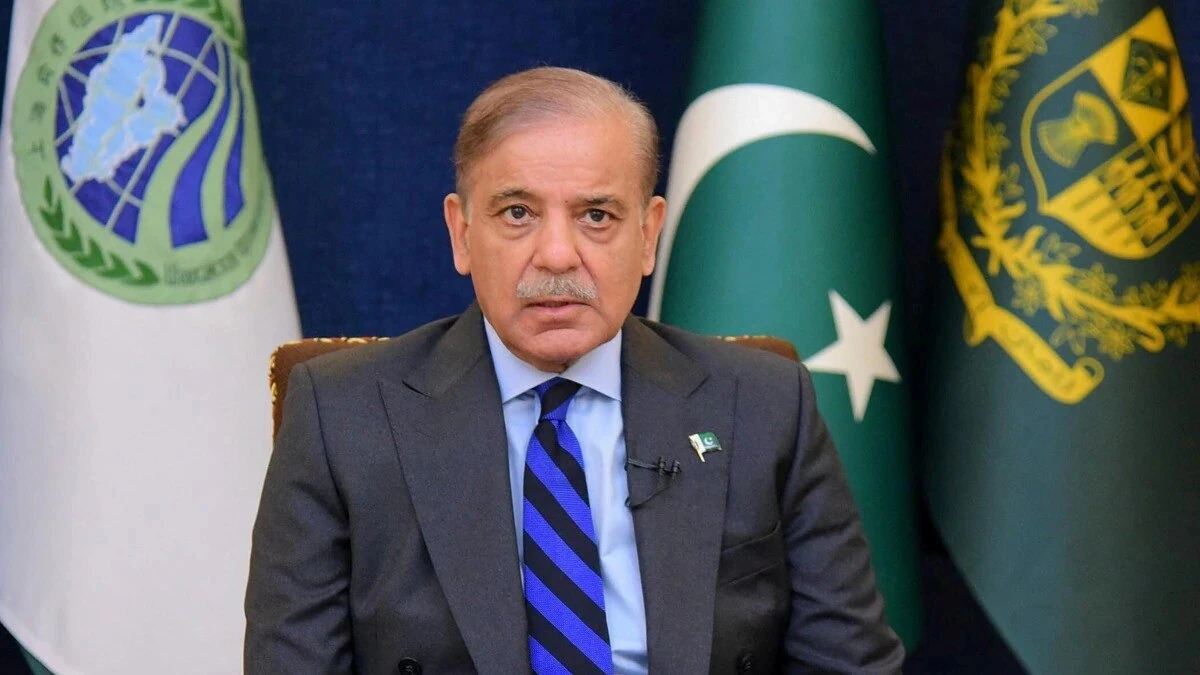
Tuesday’s meeting in Islamabad brought together PM Shehbaz, Governor Kundi, Kashmir Affairs Minister Amir Muqam, and the Prime Minister’s Adviser on Political Affairs, Rana Sanaullah. According to the Prime Minister’s Office, the talks covered KP’s political situation, law and order in the province, and other matters affecting the relationship between the Centre and KP.
What stands out is the timing. Coming so soon after the Lahore episode involving CM Afridi, the meeting reads as an attempt to lower the temperature rather than simply a routine check-in. The PMO statement kept its language general, focused on cooperation and welfare, without naming specific disputes such as wheat or gas supply.
That gap between the public messaging and the actual list of grievances is worth noting. KP’s specific complaints, over fiscal transfers, water allocation from the Chashma Right Bank Canal, and restricted goods movement, were raised by Governor Kundi in earlier public statements rather than in this particular readout.
Quotes
The only direct quote released from Tuesday’s meeting came from PM Shehbaz, who said the federal government “will continue to work for KP’s progress and welfare of the people of the province.” It is a broad commitment rather than a response to any single complaint.
Governor Kundi has been more specific in past remarks, at one point asking publicly what the PML-N-led federal government had actually done for KP and pointing to the province’s water and fiscal shares as unresolved issues.
Impact
For KP residents, the practical questions are less about diplomatic tone and more about whether wheat, gas, and development funds start moving more reliably. Repeated short meetings that stop at general statements of goodwill tend not to satisfy a province that has already staged multiple protests over supply and funding gaps.
For the federal government, being seen to engage with KP carries its own value, particularly with security concerns along the Afghan border remaining a constant backdrop to any Centre-province discussion. A breakdown in coordination on law and order would carry consequences well beyond routine politics.
For PTI, which governs KP, the balancing act is different. Provincial leaders have to manage public frustration over unresolved supply issues while also avoiding a full break with the Centre, which controls funding transfers the province still depends on.
Conclusion
Tuesday’s meeting adds another data point to a relationship that has swung between cooperation and confrontation over the past year. The next real test will be whether specific KP demands, on wheat movement, gas supply, and fiscal shares, get addressed in the weeks ahead, or whether this meeting turns out to be another round of general reassurance without follow-through. Future statements from the PMO and the KP Governor’s House will be the clearest signal of which direction things are heading.
FAQs
What did PM Shehbaz Sharif and Kundi discuss about Centre-KP relations?
Their Islamabad meeting focused on the overall political situation in Khyber Pakhtunkhwa, law and order in the province, and broader coordination between the federal government and the KP administration. While the official statement did not list every specific grievance, it came against a backdrop of ongoing disputes over wheat supply, gas availability, and fiscal transfers that Governor Kundi has raised in earlier public remarks.
Why is greater harmony between the Centre and KP important?
KP has experienced recurring disruptions tied to its relationship with Islamabad, including restricted wheat movement, a suspended CNG supply, and disputes over its fiscal and water shares. Better coordination between the federal government and KP would help resolve these day-to-day problems faster and reduce the kind of political friction that has already led to public protests and a tense standoff involving KP’s chief minister in Lahore.
What steps were stressed to improve cooperation between the federal government and KP?
The Prime Minister’s Office said PM Shehbaz reiterated that the federal government will continue working for KP’s progress and the welfare of its people, and both sides agreed on the need for enhanced efforts toward harmony. The meeting itself, bringing together senior federal officials and the KP governor, was presented as part of that ongoing effort, though specific commitments on issues such as wheat and gas supply were not detailed in the public statement.