Summary
Nepal observed a national day of mourning on Monday for the victims of the devastating floods that struck the country on August 26. Flags flew at half-mast across government buildings and Nepali missions abroad. Families of missing hydropower workers continued to pray that rescuers might still find their loved ones alive, even as hope faded with each passing day.
Background
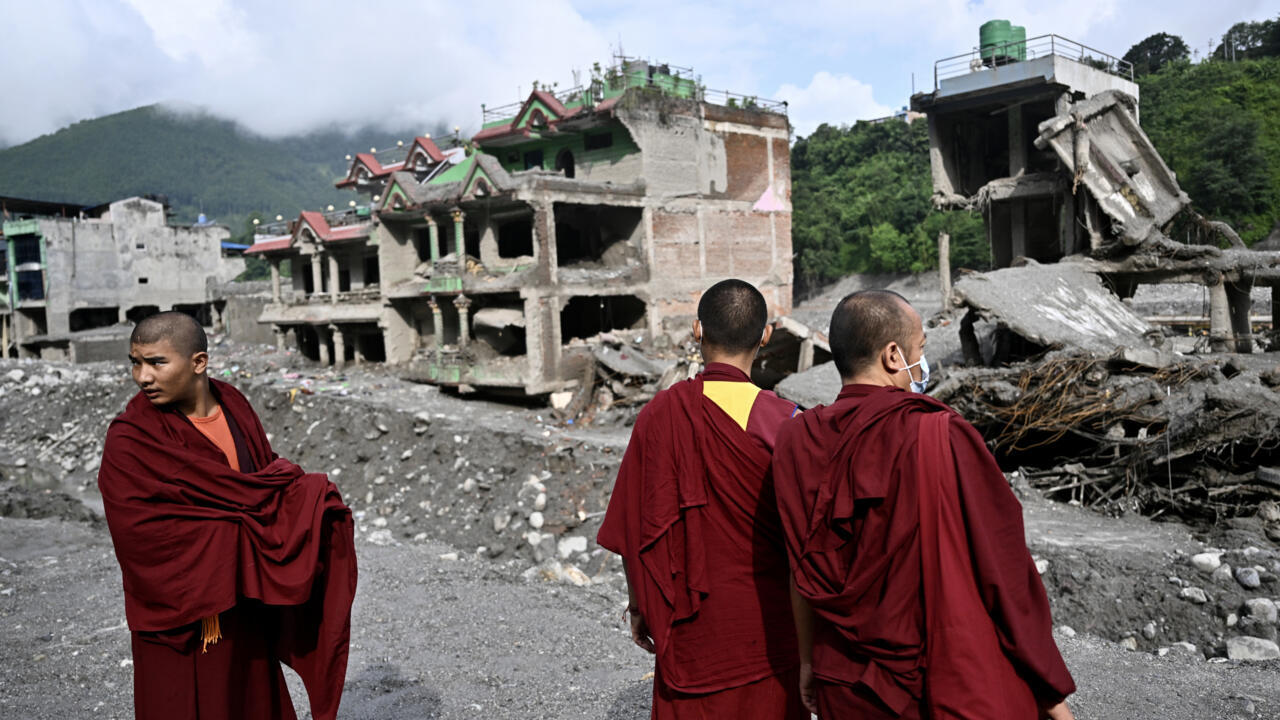
The tragedy began on August 26, when glacial floods tore through the Bhotekoshi and Trishuli river basins in Nepal. The Bhotekoshi flood first struck Rasuwa district, sweeping away homes, roads, and hydropower infrastructure within minutes. The surge then moved downstream, hitting Nuwakot and Dhading districts and cutting off transport, electricity, and water supply for thousands of residents.
Nepal’s cabinet met on September 3 and decided to declare Monday, September 7, an official day of national mourning. The date marked the 13th day since the disaster began, a number that carries deep meaning in Hindu tradition, where mourning periods traditionally last thirteen days before final rituals are performed.
Details
On the day of mourning, the national flag was lowered to half-mast at every government office across Nepal, as well as at Nepali embassies and diplomatic missions overseas. This nationwide gesture was meant to reflect the scale of grief following one of the deadliest natural disasters in the country’s recent history.
In Kathmandu, relatives of the missing gathered near the offices of the prime minister and key government ministries. Many held banners and staged a peaceful demonstration, demanding that authorities intensify search and rescue operations for hundreds of hydropower workers who were either swept away by the rushing Bhotekoshi river or buried under debris.
According to Nepal’s disaster management agency, the floods have now killed more than 1,300 people across Nepal and Tibet combined. Roughly 5,000 people, including some foreign nationals, remain unaccounted for. Specialized rescue teams from several countries have joined local security forces in combing through the wreckage in search of survivors.
Because Hindu funeral rites place great importance on cremation, several families whose loved ones have not been found chose to perform symbolic funerals. For many, completing these rituals even without a body offered a measure of spiritual closure after nearly two weeks of uncertainty.
Quotes
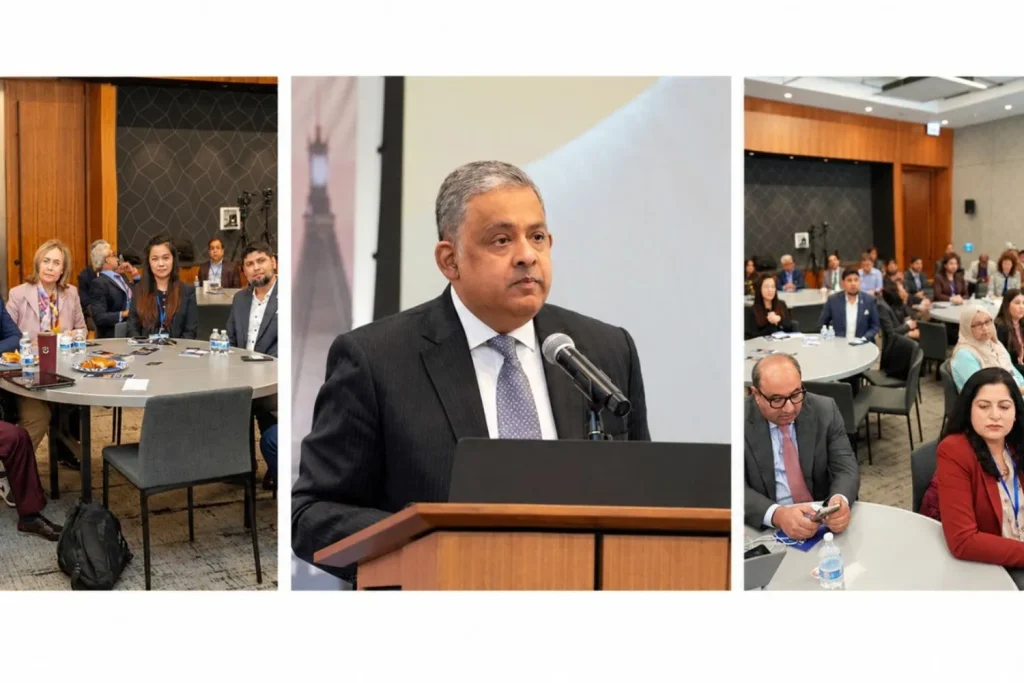
On the eve of the mourning day, Prime Minister Balendra “Balen” Shah issued a public statement recognizing the continued efforts of Nepal’s security personnel involved in search, rescue, and disaster management work following the flood damage caused by the Bhotekoshi and Trishuli rivers. He acknowledged the difficulty of the operations and thanked the teams working under extremely hazardous conditions in flood-hit terrain.
Officials from the Ministry of Home Affairs have separately noted that search efforts remain active in the worst-affected districts, though shifting debris and unstable riverbanks continue to slow the recovery of both survivors and remains.
Impact
The floods rank among the deadliest disasters to hit the Himalayan region in decades, and their impact stretches well beyond Nepal’s borders since the Bhotekoshi river also flows into Tibet. Cross-border coordination between Nepal and Chinese authorities has become a key part of the ongoing rescue and recovery effort.
Domestically, the destruction of hydropower facilities has raised concerns about electricity shortages in the coming months, since several plants along the Bhotekoshi and Trishuli rivers sustained heavy damage. Roads and bridges connecting Rasuwa, Nuwakot, and Dhading remain in various stages of repair, disrupting trade and daily movement for local communities.
The disaster has also renewed international attention on the growing risk of glacial lake outburst floods across the Himalayas, a hazard scientists have long linked to rising temperatures and melting glaciers in the region.
Conclusion
As Nepal closes its 13-day mourning period, the focus now shifts toward sustained rescue operations, infrastructure rebuilding, and support for displaced families. Authorities have indicated that search efforts will continue in earnest for as long as there remains any possibility of finding survivors.
Government agencies are also expected to announce a longer-term reconstruction plan for the hydropower sector and transport networks in the coming weeks. For the families still waiting for news of missing loved ones, the day of mourning offered a moment of shared grief, but their search for answers is far from over.
Frequently Asked Questions
Who were the survivors of the flood?
Survivors of the Nepal floods included residents of Rasuwa, Nuwakot, and Dhading districts who managed to reach higher ground before the water levels rose, along with a number of hydropower plant workers who were pulled from debris in the early hours of the disaster. Some survivors were rescued by helicopter from stranded riverbank areas, while others were assisted by local volunteers and security forces using ropes and makeshift rafts. Many survivors have since been moved to temporary shelters, where they continue to receive food, medical care, and psychological support as recovery operations continue in their home districts.
What is a flash flood?
A flash flood is a sudden and rapid flooding event that typically occurs within a few hours, or sometimes minutes, of intense rainfall, a dam or glacial lake breach, or rapid snowmelt. Unlike slow-rising river floods, flash floods give communities very little warning time, which makes them especially dangerous for people living in low-lying or mountainous terrain. In Nepal’s case, the flooding was driven largely by a glacial lake outburst, where a sudden release of water from a glacial lake sent a powerful surge downstream through narrow river valleys, overwhelming everything in its path before residents had time to evacuate.
What is a good prayer for flood victims?
Many people choose to offer a simple prayer for strength, healing, and peace for those affected by the floods, such as asking for comfort for grieving families, safety for those still missing, and courage for rescue workers risking their lives in dangerous conditions. A widely shared sentiment is to pray for the souls of those who have passed to find peace, for the injured to recover fully, and for communities to find the resilience needed to rebuild their homes and lives. Regardless of religious background, prayers for flood victims generally center on hope, healing, and solidarity with those who have lost so much in such a short time.