
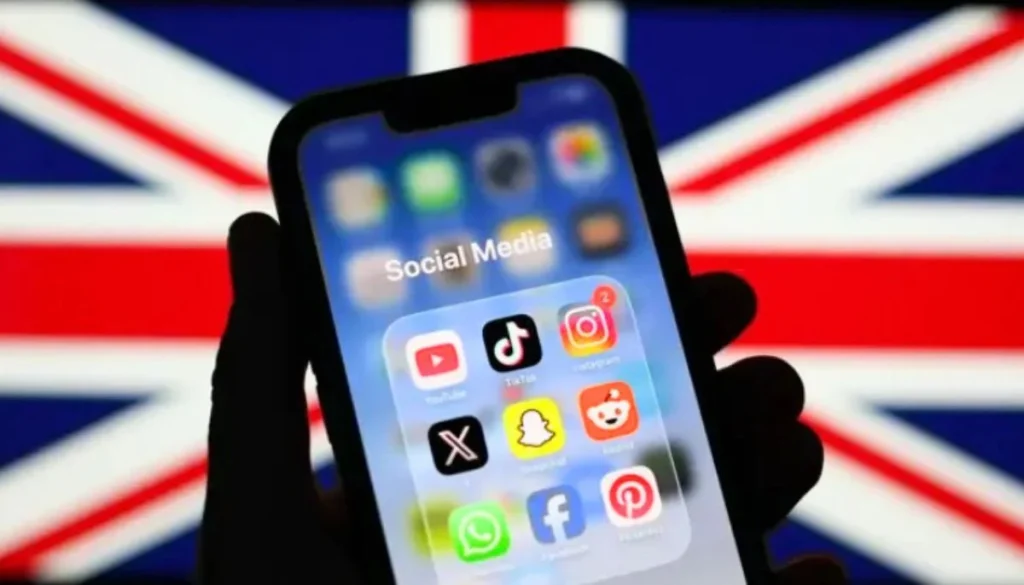

American teenagers will soon face strict curfews and daily usage limits on Instagram and Facebook, after Meta agreed to a landmark settlement with 47 US states over claims its platforms were designed to be addictive to young users. The deal lands as a growing list of countries move toward an outright social media ban under 16.
Background
The restrictions stem from a lawsuit originally filed in 2023 by a bipartisan coalition of state attorneys general, who accused Meta of deliberately designing Instagram and Facebook to encourage compulsive use among children and teenagers while misleading the public about the risks. The case went to trial on August 18 in the US District Court for the Northern District of California before the settlement was reached.
Under the agreement, Meta will pay up to $18 billion to the states over ten years without admitting wrongdoing. The company will also roll out sweeping new restrictions for users under 18, some within six months and others, like stronger age-verification tools, over the coming year.
Details
How the New US Teen Social Media Curfews Will Work
Teenagers using Instagram and Facebook will face a default two-hour daily limit that applies cumulatively across both apps, meaning time spent on one platform counts toward the total on the other. The cap can only be switched off if a parent enters their child’s settings and grants permission for extended use.
Alongside the daily limit, Meta will enforce an overnight curfew blocking access to both apps between midnight and 6 a.m. Notifications will also be muted by default during school hours, set as 8 a.m. to 3 p.m., with exceptions only for direct messages and account security alerts. Teens will additionally receive usage prompts every 15 minutes of continuous scrolling, on top of existing alerts at the 60-minute mark.
The settlement also gives teens and parents the option to switch to a non-algorithmic, chronological feed instead of Meta’s personalized recommendation system, and it expands restrictions on filters, including a new block on extreme makeup filters for underage users. Meta says it is also strengthening its systems for catching users who lie about their age to bypass Teen Account protections.
If Meta’s default limit holds and rival platforms like YouTube, TikTok, and Snap adopt similar restrictions, the cap for minors could shrink further to just one hour a day, according to terms described in the settlement.
Which Country Banned Social Media for Under 16?
Australia became the first country in the world to fully ban social media accounts for children under 16, with the law taking effect on December 10, 2025. The ban covers major platforms including Instagram, Facebook, TikTok, Snapchat, YouTube, X, Reddit, Twitch, Threads, and Kick, and places the compliance burden on tech companies rather than families, with fines of up to roughly $50 million Australian dollars for platforms that fail to block underage users.
How Many Countries Have Banned Social Media for Under 16
A growing list of countries has followed Australia’s lead or announced similar plans. Malaysia has said it will ban social media for children under 16 starting this year, while Denmark’s parliament has secured majority support for a ban covering children under 15. Norway has pledged to introduce legislation banning social media for under-16s by the end of 2026, and Austria and Poland are both drafting laws targeting children under 14 and 15 respectively.
Beyond outright bans, other governments are pursuing softer restrictions. Portugal has approved a law requiring parental consent for users aged 13 to 16, the United Kingdom has announced plans for a ban on platforms like TikTok and Instagram from spring 2027, and the European Parliament has formally called for a similar under-16 social media ban across the European Union. New Zealand is also developing comparable legislation, while Pakistan and India have opted for parental consent and age-verification requirements rather than a full ban.
Is the Under-16 Social Media Ban Working?
Early evidence from Australia suggests enforcement remains a significant challenge. A recent study by the country’s internet regulator, eSafety, found that more than eight in ten Australian children aged 10 to 15 continued using social media platforms even after the ban took effect, with most managing to either keep existing accounts or create new ones within just three months of the law’s start.
Quotes
Meta’s chief legal officer, CJ Mahoney, described the settlement’s new framework as a significant step toward giving parents more control over their teens’ social media experience, according to statements included in reporting on the agreement.
Richard Whitaker, CEO of the Vera French Community Mental Health Center, called the new US restrictions a step in the right direction, though he noted that usage limits alone would not fully resolve the underlying mental health concerns tied to heavy social media use among teenagers.
European Commission President Ursula von der Leyen said she had been closely studying Australia’s under-16 ban and the way it addresses what she described as algorithms that prey on children’s vulnerabilities, adding that many parents feel powerless against what she called a tsunami of big tech flooding their homes.
Impact
The US settlement marks one of the most significant regulatory actions taken against a major social media company over child safety concerns, and it could pressure competitors like TikTok, YouTube, and Snap to adopt similar restrictions given the built-in incentive for Meta’s limits to tighten further if rivals follow suit.
Globally, the wave of countries moving toward a social media ban under 16 or stricter age-verification rules signals a broader shift in how governments approach platform regulation. Even so, early results from Australia raise real doubts about how effectively such bans can actually be enforced.
For families, the changes mean parents will increasingly need to actively manage settings and permissions rather than relying solely on default protections, a shift that child safety advocates argue places meaningful responsibility back in parents’ hands while critics worry could still leave gaps for determined teenagers to work around.
Conclusion
With Meta’s settlement still requiring court approval and enforcement questions already surfacing in Australia, the coming months will test whether stricter time limits, curfews, and outright bans can meaningfully cut down heavy social media use among minors. As more countries weigh their own social media ban for kids, how these early efforts perform is likely to shape how far other governments are willing to go.
Frequently Asked Questions
Will 16-year-olds be allowed to use social media?
In most countries, including the United States, 16-year-olds are still permitted to use social media, though they typically fall under stricter Teen Account protections, usage limits, and parental control settings like those included in Meta’s new settlement. Australia is a notable exception, where the law specifically targets users under 16, meaning a 16-year-old there is legally permitted to hold social media accounts once they cross that age threshold. Countries like Denmark, Austria, and Poland are considering even lower age thresholds of 14 or 15, meaning access rules for 16-year-olds will continue to vary significantly depending on where a teenager lives.
Is social media bad for 16-year-olds?
Research on social media’s effects on teenagers, including 16-year-olds, points to a mixed but concerning picture. Studies have linked heavy or compulsive use to increased rates of anxiety, depression, poor sleep, and lower self-esteem, particularly among teens who spend several hours a day scrolling through algorithm-driven feeds. At the same time, social media can offer real benefits for older teens, including social connection, access to educational content, and support communities, meaning the impact often depends heavily on how much time is spent, what content is consumed, and whether healthy boundaries like the curfews and usage limits now being introduced are actually followed.
How much time should a 15-year-old spend on social media?
There’s no single universally agreed number, but many child psychologists and public health experts recommend limiting recreational social media use to no more than one to two hours per day for teenagers, a figure that closely matches the two-hour default cap Meta is now introducing for US users under 18. Experts generally emphasize that quality of use matters as much as quantity, meaning passive scrolling through algorithmic feeds tends to be more strongly linked to negative mental health outcomes than active use, such as messaging friends or engaging in creative content. Parents are increasingly encouraged to combine time limits with open conversations about content and usage habits, rather than relying on strict caps alone.